
Herniated Disc Treatment in Seomyeon, Busan
Herniated disc treatment relieves back and leg pain caused when the soft centre of a spinal disc pushes out and irritates a nerve. In Seomyeon, spine clinics usually diagnose it with an exam and MRI, then start with medication, physiotherapy and sometimes an epidural injection. Most people improve within 6–12 weeks; surgery is reserved for severe or persistent cases.
Independent patient guide · Medically informative, not a substitute for a doctor's advice · Last reviewed:
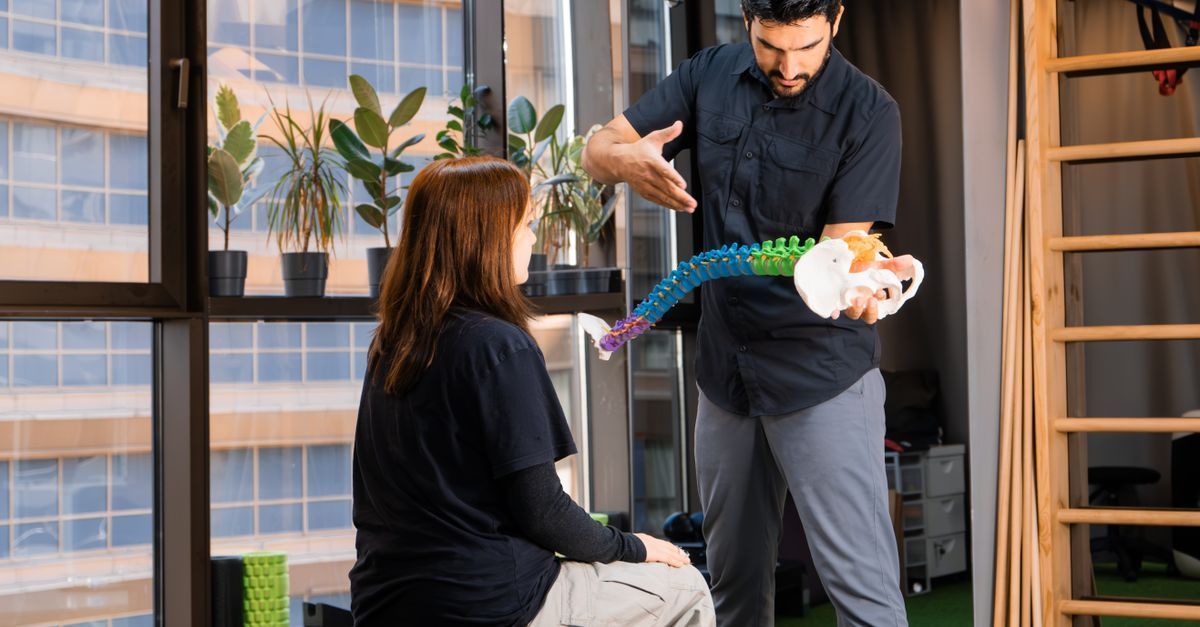
What is a herniated disc?
Spinal discs sit between the vertebrae and act as shock absorbers. Each has a tough outer ring and a gel-like centre. When the ring weakens or tears, the centre can bulge or herniate and press on a nearby nerve root. In the lower back (lumbar spine), this most often affects the L4–L5 and L5–S1 levels, causing pain that runs down the buttock and leg. Herniations are common between the ages of 30 and 50 and are often linked with lifting, prolonged sitting and disc ageing.
Symptoms and when to see a doctor
- Sharp leg pain that is often worse than the back pain
- Numbness or tingling in the leg or foot
- Weakness, such as difficulty lifting the foot or standing on toes
- Pain that worsens with sitting, coughing or sneezing
Seek urgent care (call 119 or go to an emergency department) for loss of bladder or bowel control, numbness around the groin or buttocks, or rapidly worsening leg weakness. These can signal cauda equina syndrome, a surgical emergency.
What happens at the clinic
- History and exam: straight-leg raise test, reflexes, strength and sensation.
- MRI: confirms the herniation and the nerve affected; X-ray alone cannot show discs.
- Conservative care: pain relief, nerve pain medicine if needed, and advice to stay as active as possible.
- Physiotherapy: movement and core exercises, sometimes traction.
- Injection: an image-guided epidural or selective nerve root block may be offered for severe leg pain.
- Surgical opinion: if pain persists beyond about 6–12 weeks or weakness develops.
Treatment outlook
The outlook is generally good. Many herniations shrink over time as the body reabsorbs disc material, and symptoms often improve within weeks to a few months. Surgery (microdiscectomy or endoscopic discectomy) can relieve leg pain faster in selected patients, but long-term results are often similar to non-surgical care for many people. The decision depends on pain severity, nerve function and your preferences.
Risks and side effects
Injections carry small risks of headache, infection and temporary numbness. Surgery risks include infection, nerve injury, dural tears and re-herniation. Prolonged bed rest is no longer recommended because it slows recovery.
Choosing a clinic for herniated disc treatment in Seomyeon
- Look for a board-certified neurosurgeon (신경외과 전문의) or orthopedic spine specialist.
- Ask the doctor to show you the herniation on your own MRI and explain which nerve is affected.
- Ask what non-surgical options they recommend first, and for how long.
- If surgery is suggested, ask why now, which technique, and what the alternatives are.
- Be cautious of large non-covered treatment packages; ask for itemised costs.
Visitor tip
Seomyeon has many spine clinics with on-site MRI, so imaging and a specialist opinion can often happen on the same day. Busan Station is a direct ride away on Line 1.
Key facts
- Condition: lumbar disc herniation (허리 디스크)
- Symptoms: low back pain, leg pain (sciatica), numbness, weakness
- Diagnosis: neurological exam; MRI confirms the herniation
- First-line: medication, staying active, physiotherapy
- Injections: epidural steroid or nerve root block for severe leg pain
- Natural course: many improve within 6–12 weeks
- Surgery: discectomy for persistent pain or significant nerve deficit
Frequently asked questions
Can a herniated disc heal on its own?
Often, yes. Many herniated discs shrink over weeks to months, and symptoms improve with time, activity and physiotherapy. Persistent severe pain or weakness should be reassessed by a specialist.
Do I need an MRI for a herniated disc?
An MRI is the standard test to confirm a herniation and plan injections or surgery. For mild back pain without leg symptoms or red flags, doctors may treat first and image later if needed.
When is surgery needed for a herniated disc?
Surgery is considered for cauda equina syndrome, progressive weakness, or severe leg pain that does not improve after about 6–12 weeks of good non-surgical treatment.
Is herniated disc treatment covered by insurance in Korea?
Consultations, medication, physiotherapy, many injections and medically necessary surgery are generally covered by National Health Insurance for enrolled patients. MRI coverage depends on criteria, and some therapies are non-covered.
Should I rest in bed with a slipped disc?
No. Short rest during severe pain is fine, but staying gently active, such as walking, generally speeds recovery. Avoid heavy lifting and prolonged sitting during flare-ups.
Medical disclaimer: Seomyeon.Clinic is an independent information directory. Content is for general education and does not replace a consultation with a licensed physician. Suitability, risks, results and costs vary by person and clinic. In an emergency in Korea, call 119.