
Spine MRI in Seomyeon, Busan
A spine MRI uses a strong magnetic field and radio waves, not X-rays, to create detailed images of the discs, nerves, spinal cord and bones. In Seomyeon, many spine clinics and hospitals have on-site MRI, so a scan of one region usually takes about 15–30 minutes and is often reviewed with a specialist the same day.
Independent patient guide · Medically informative, not a substitute for a doctor's advice · Last reviewed:
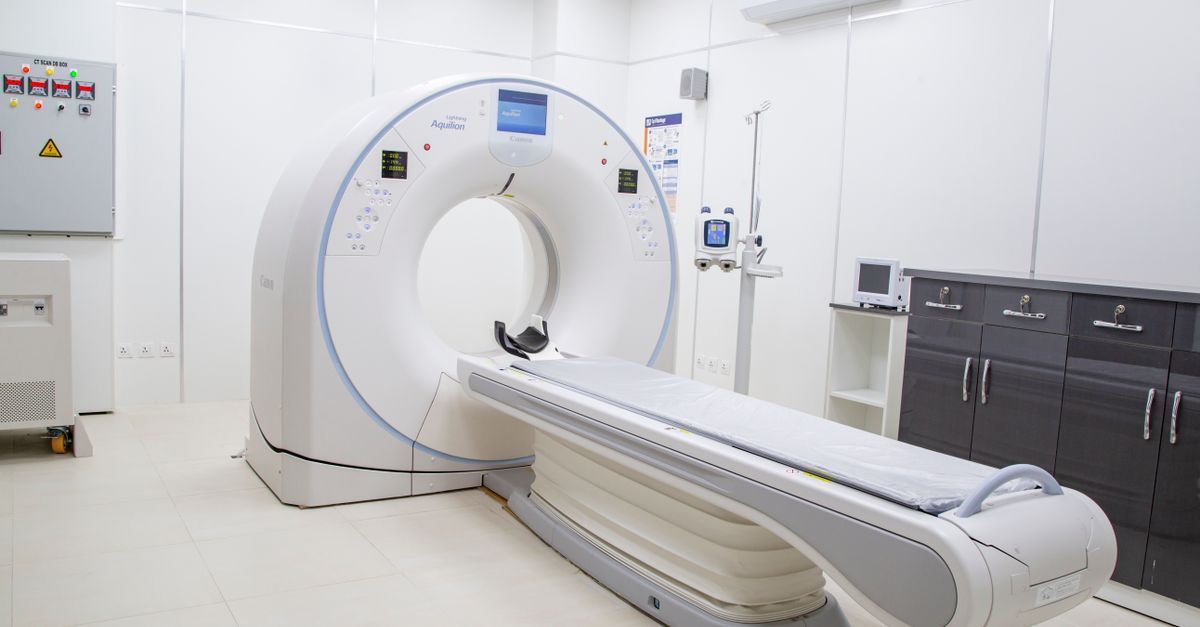
What is a spine MRI?
Magnetic resonance imaging (MRI) is the most detailed way to see soft tissues of the spine. Unlike X-ray, which mainly shows bone, MRI shows discs, nerve roots, the spinal cord, ligaments and bone marrow. It is the key test for planning injections or surgery for disc herniation, spinal stenosis and many other conditions. In Korea, MRI scanners are widely available in spine-focused clinics and hospitals, including around Seomyeon.
Who needs a spine MRI?
- Back or neck pain with arm or leg nerve symptoms that persist or are severe
- Progressive weakness, numbness, or signs of spinal cord compression
- Red flags: suspected infection, cancer, fracture or cauda equina syndrome
- Planning for injections or surgery
MRI is usually not needed in the first weeks of simple back pain without red flags, because age-related changes are common and may not explain symptoms.
What happens at the clinic
- Referral: a doctor examines you and decides which region to scan.
- Safety questionnaire: pacemakers, cochlear implants, metal implants, prior metalworking injuries, pregnancy.
- Preparation: remove metal items; you may change into a gown.
- Scan: you lie still on a table that moves into the scanner; it is noisy, so earplugs or headphones are provided.
- Contrast (if needed): an injection into a vein partway through.
- Review: a radiologist reports, and the specialist explains the images.
After the scan
There is no recovery time without sedation; you can resume normal activities immediately. If contrast was given, drink fluids unless told otherwise. Ask for a copy of your images (CD or digital download) and an English report if you will see a doctor elsewhere.
Risks and side effects
MRI is very safe for most people. Risks come mainly from metal objects or incompatible implants, which is why screening is strict. Some people feel claustrophobic; tell staff in advance so they can help, or ask about open or wide-bore scanners. Contrast reactions are uncommon, and contrast is used cautiously in people with severe kidney disease.
Choosing a clinic for a spine MRI in Seomyeon
- Ask whether the MRI is on site and whether a specialist will review it with you the same day.
- Ask about the scanner type (for example, 1.5T or 3T) and options for claustrophobia.
- Confirm that a radiologist provides a formal written report.
- Ask how to obtain images and an English report to take home.
- Ask whether your scan is likely to be covered by insurance or self-pay.
Getting there
Bring ID and any previous imaging. Seomyeon is a convenient hub: from the KTX at Busan Station, take Line 1 a few stops to Seomyeon.
Key facts
- Shows: disc herniation, nerve compression, stenosis, fractures, infection, tumours
- Regions: cervical (neck), thoracic (mid-back), lumbar (lower back)
- Scan time: about 15–30 minutes per region
- Radiation: none
- Contrast: only for specific questions, such as infection, tumour or after surgery
- Safety screen: pacemakers, implants, metal fragments, pregnancy
- Results: often reviewed with the doctor the same day at clinics with on-site MRI
Frequently asked questions
How long does a spine MRI take?
A single region such as the lower back usually takes about 15–30 minutes inside the scanner. Allow extra time for check-in, safety screening and changing.
Is a spine MRI covered by insurance in Korea?
Spine MRI is covered by National Health Insurance only when specific medical criteria are met, such as certain neurological findings. Otherwise it is self-pay, so ask the clinic before the scan.
Can I have an MRI with metal implants?
Many modern implants are MRI-safe or conditional, but some devices are not. Bring details of any implant, pacemaker or prior surgery so staff can check compatibility.
What if I am claustrophobic?
Tell the clinic in advance. Staff can explain the process, use a mirror or music, and some centres offer wider scanners or mild sedation if appropriate.
MRI vs CT for back pain: which is better?
MRI shows discs, nerves and soft tissue best without radiation. CT shows bone detail well and is used for fractures or when MRI is not possible.
Medical disclaimer: Seomyeon.Clinic is an independent information directory. Content is for general education and does not replace a consultation with a licensed physician. Suitability, risks, results and costs vary by person and clinic. In an emergency in Korea, call 119.