
Manual Therapy in Seomyeon, Busan
Manual therapy in rehabilitation is skilled hands-on treatment by a physical therapist to restore joint movement, release soft-tissue restrictions and improve how nerves glide, especially after injury, immobilisation or surgery. In Seomyeon, rehabilitation clinics usually provide it in one-to-one sessions of about 20–40 minutes, combined with exercises, over a planned course of several weeks.
Independent patient guide · Medically informative, not a substitute for a doctor's advice · Last reviewed:
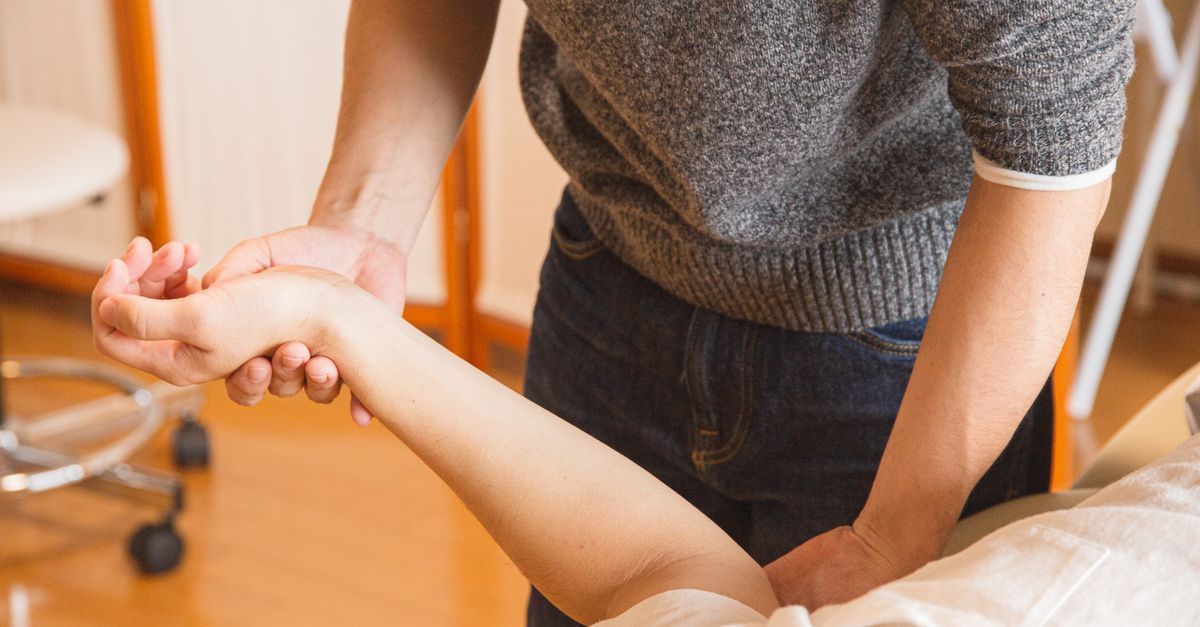
What is manual therapy in rehabilitation?
After an injury, surgery or a period in a cast, joints can become stiff and surrounding tissues tight. Manual therapy (도수치료) uses precise hand techniques to restore movement. Physical therapists may use graded joint glides (often associated with approaches such as Maitland or Kaltenborn), mobilisation with movement (associated with Mulligan), soft-tissue techniques for scarred or tight muscle, and nerve gliding exercises. In rehabilitation, the emphasis is on regaining function: being able to reach, walk, climb stairs or return to sport.
Who is it for?
- Stiff wrists, elbows, ankles or knees after fractures and casting
- Restricted shoulder movement after surgery or frozen shoulder
- Spinal stiffness contributing to neck or back pain
- Scar tissue restrictions after surgery
- Nerve-related tightness, such as after sciatica
It is avoided over unhealed fractures, infection, tumours or unstable joints, and used gently in people with osteoporosis or on blood thinners.
What happens at the clinic
- Prescription: a rehabilitation or orthopedic doctor confirms it is safe to mobilise.
- Assessment: the therapist measures range of motion and identifies which joint or tissue is restricted.
- Hands-on treatment: graded techniques, adjusted to your comfort and stage of healing.
- Active exercises: to use the new range immediately.
- Measurement: range is re-checked to track progress session by session.
Treatment outlook
Manual therapy can speed recovery of movement when stiffness is a key problem, particularly when combined with a home exercise program. Gains are typically gradual over weeks. After surgery, timing and intensity follow the surgeon's protocol so healing tissues are protected.
Risks and side effects
Temporary soreness and mild swelling after sessions are common. Overly aggressive mobilisation can cause pain flares or, rarely, injury, which is why techniques are graded. Tell your therapist about recent surgery, implants, osteoporosis and any new numbness.
Choosing a clinic for manual therapy in Seomyeon
- Ask about the therapist's manual therapy training and experience with your condition.
- Ask how they coordinate with your surgeon's post-operative restrictions.
- Ask for objective measures, such as degrees of movement, at each review.
- Request clear session prices and the expected number of sessions.
- Expect active exercises and a home program alongside hands-on care.
Practical note
Bring your surgical notes or discharge summary if you had an operation. Seomyeon clinics are easy to reach by metro, which helps with frequent sessions during recovery.
Key facts
- Techniques: joint mobilisation (graded), mobilisation with movement, soft-tissue release, neural mobilisation
- Used for: stiffness after casts or surgery, spinal and peripheral joint pain, limited range of motion
- Delivered by: licensed physical therapists with manual therapy training
- Session length: about 20–40 minutes, one-to-one
- Course: often 1–3 sessions a week for several weeks
- Combined with: active exercise to maintain gains
- NHI coverage: usually non-covered as a specialised session
Frequently asked questions
What is joint mobilisation?
It is a manual therapy technique where a therapist moves a joint with controlled, graded pressure to reduce stiffness and pain. Intensity is adjusted to your comfort and healing stage.
How soon after surgery can I have manual therapy?
It depends on the operation and your surgeon's protocol. Some gentle techniques start early, while others wait until bones or repairs have healed enough.
Does manual therapy hurt?
Some techniques may be mildly uncomfortable, especially for very stiff joints, but they should not be severely painful. Tell your therapist so pressure can be adjusted.
Is manual therapy covered by National Health Insurance?
Specialised one-to-one manual therapy is usually non-covered and paid per session. Basic physiotherapy components may be covered for enrolled patients.
Manual therapy vs exercise: which is better?
They work best together. Manual therapy can improve movement quickly, while exercise maintains and builds strength so gains last.
Medical disclaimer: Seomyeon.Clinic is an independent information directory. Content is for general education and does not replace a consultation with a licensed physician. Suitability, risks, results and costs vary by person and clinic. In an emergency in Korea, call 119.