
Manual Therapy for Pain in Seomyeon, Busan
Manual therapy for pain is hands-on treatment by a physical therapist, using joint mobilisation, soft-tissue release and stretching to reduce pain and improve movement. In Seomyeon, many pain medicine clinics have therapists on site who deliver 20–40 minute sessions, often after a doctor's assessment or injection. It works best as part of a plan that includes exercise.
Independent patient guide · Medically informative, not a substitute for a doctor's advice · Last reviewed:
What is manual therapy?
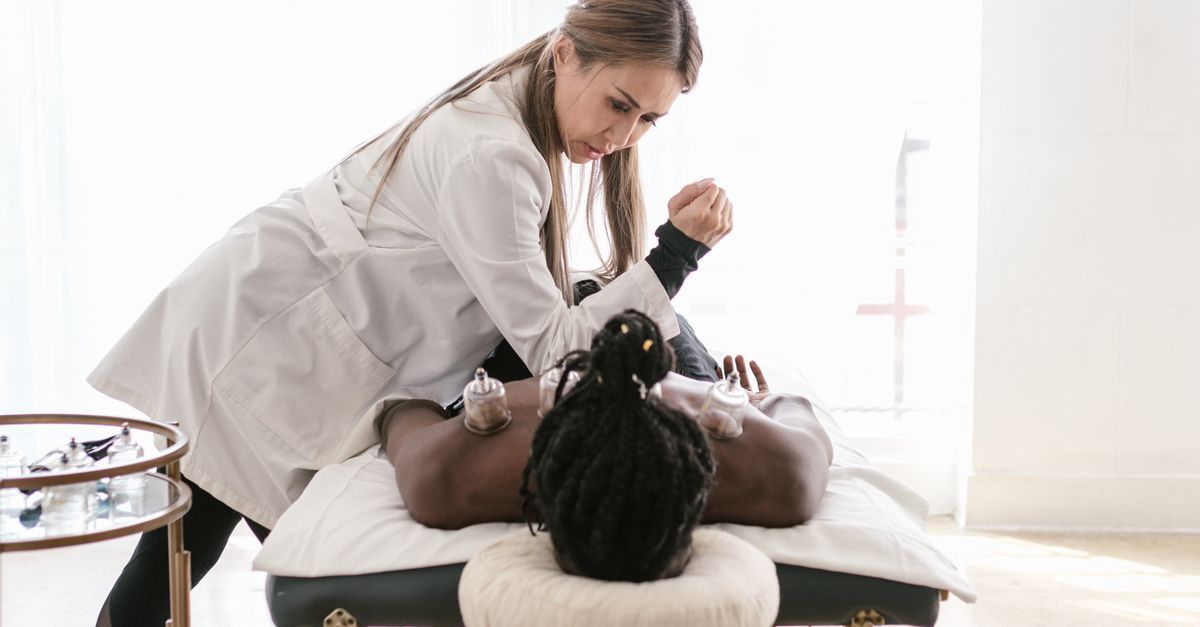
Manual therapy (도수치료) covers hands-on techniques used to move stiff joints, relax tight muscles and reduce pain. Common approaches include gentle oscillating joint mobilisation, sustained stretches, myofascial release and nerve gliding. In Korean pain clinics, a doctor usually assesses and diagnoses first, then prescribes manual therapy delivered by a licensed physical therapist, sometimes on the same day as an injection. This combination aims to calm pain quickly and then restore movement.
Who is it for?
- Neck and upper back pain with stiffness
- Low back pain, including sacroiliac joint pain
- Shoulder stiffness, including after injections for frozen shoulder
- Hip and pelvic pain related to muscle tightness
- Recovery after injuries when movement is restricted
It is not suitable for suspected fractures, infection, tumours or progressive neurological deficits. High-velocity neck manipulation is avoided in many cases because of rare but serious risks.
What happens at the clinic
- Doctor's assessment: diagnosis, red-flag screening and prescription.
- Therapist evaluation: posture, joint mobility, muscle length and movement patterns.
- Treatment: manual techniques tailored to your findings, usually comfortable and adjusted to your tolerance.
- Exercise: a few specific exercises to maintain the gains.
- Re-check: movement is re-tested at the end of the session.
Treatment outlook
Research suggests manual therapy can provide short-term pain relief and improved movement for neck and back pain, especially when combined with exercise. On its own, effects may fade. A good course gradually shifts from hands-on treatment toward self-management, so you rely less on sessions over time.
Risks and side effects
Mild soreness for a day or two is common. Serious complications are rare with gentle mobilisation. Tell your therapist about osteoporosis, blood thinners, recent surgery or any new numbness or weakness.
Choosing a clinic for manual therapy in Seomyeon
- Confirm that a doctor has assessed you and that a licensed physical therapist provides treatment.
- Ask which techniques will be used and why for your problem.
- Ask how many sessions are recommended and how progress will be measured.
- Request clear session pricing, as manual therapy is often non-covered.
- Expect a home exercise program, not only hands-on treatment.
Practical tips
Wear comfortable clothing to your session. Many Seomyeon clinics schedule therapy after work hours; the area is easy to reach on Metro Lines 1 and 2.
Key facts
- Techniques: joint mobilisation, soft-tissue and myofascial release, muscle energy, stretching
- Used for: neck, back, shoulder and hip pain, stiffness after injury
- Delivered by: licensed physical therapists (물리치료사) on a doctor's prescription
- Session length: about 20–40 minutes
- Frequency: often 1–3 times a week for a few weeks
- Best paired with: exercise therapy and education
- NHI coverage: specialised manual therapy is usually non-covered
Frequently asked questions
What is the difference between manual therapy and massage?
Massage mainly relaxes muscles. Manual therapy is targeted treatment based on assessment, using specific joint and soft-tissue techniques to improve movement and reduce pain, usually combined with exercises.
How many manual therapy sessions do I need?
Many people benefit from a few weeks of sessions, often 1–3 times a week. Your therapist should reassess and reduce frequency as you improve.
Is manual therapy painful?
It should be comfortable or mildly uncomfortable. Therapists adjust pressure to your tolerance. Mild soreness for a day afterward can occur.
Is manual therapy covered by insurance in Korea?
Basic physiotherapy is generally covered by National Health Insurance for enrolled patients, but specialised manual therapy sessions are usually non-covered. Ask the clinic for prices.
Manual therapy vs Chuna: what is the difference?
Manual therapy is provided by physical therapists in medical clinics. Chuna is a Korean medicine manual therapy provided by Korean medicine doctors. Techniques and theory differ.
Medical disclaimer: Seomyeon.Clinic is an independent information directory. Content is for general education and does not replace a consultation with a licensed physician. Suitability, risks, results and costs vary by person and clinic. In an emergency in Korea, call 119.