
Kyphoplasty & Vertebroplasty in Seomyeon, Busan
Kyphoplasty and vertebroplasty are minimally invasive procedures that inject bone cement into a fractured vertebra to stabilise it and reduce pain. Kyphoplasty first inflates a small balloon to create space. In Seomyeon, spine hospitals perform them under X-ray guidance in about 30–60 minutes per level, often with a short hospital stay, for selected painful osteoporotic compression fractures.
Independent patient guide · Medically informative, not a substitute for a doctor's advice · Last reviewed:
What are kyphoplasty and vertebroplasty?
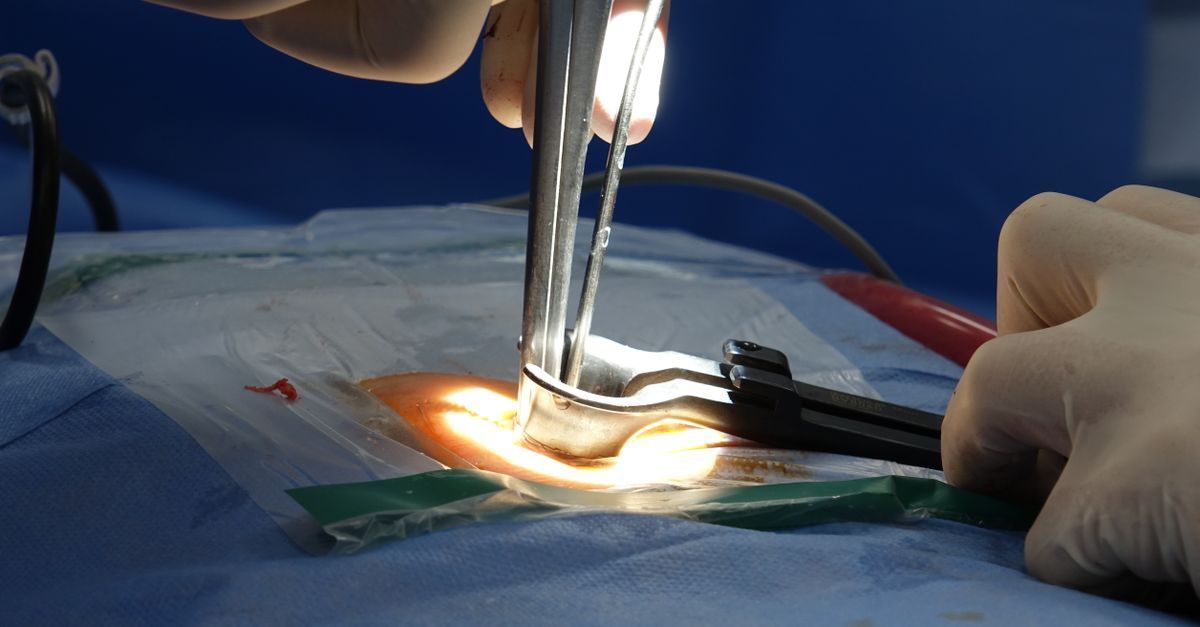
Both procedures (척추 성형술 / 풍선 척추 성형술) treat compression fractures by strengthening the broken vertebra from inside. Through a needle passed into the vertebral body under X-ray guidance, the doctor injects medical bone cement (usually PMMA), which hardens within minutes. In kyphoplasty, a balloon is inflated first to create a cavity and sometimes restore a little height, allowing cement to be placed with lower pressure. Both are widely performed in Korean spine hospitals.
Who is it for?
- Recent osteoporotic compression fractures confirmed on MRI (bone swelling visible)
- Severe pain that persists despite medication and bracing, or prevents walking
- Patients at risk from prolonged bed rest, such as frail older adults
- Some fractures caused by tumours such as myeloma or metastases
They are generally not suitable for old healed fractures, fractures with bone fragments pressing on the spinal canal, or active infection.
What happens at the hospital
- Confirmation: MRI to identify which vertebra is freshly fractured.
- Pre-procedure tests: blood tests and review of blood thinners.
- Positioning: you lie face down; the skin is numbed and sedation given.
- Needle placement: under biplanar fluoroscopy, a needle enters the vertebra.
- Cement injection: with or without balloon preparation, while monitoring for leakage.
- Recovery: lying flat briefly as the cement sets, then walking with assistance.
Recovery and aftercare
Many patients walk the same day or next day, and pain often improves quickly, though results vary. Continue to avoid heavy lifting and twisting for a while. Most importantly, start or continue osteoporosis treatment and fall prevention, because cement fixes only the treated level.
Risks and side effects
Cement can leak outside the vertebra; most leaks cause no symptoms, but rarely cement can affect nerves or travel to the lungs. Other risks include infection, bleeding, rib fractures from positioning, and new fractures at neighbouring levels. Clinical trials comparing these procedures with sham or conservative care have had mixed results, so careful patient selection matters.
Choosing a clinic for kyphoplasty or vertebroplasty in Seomyeon
- Ask to see the MRI showing a fresh fracture at the planned level.
- Ask whether conservative treatment has been tried long enough for your situation.
- Ask whether kyphoplasty or vertebroplasty is planned and why.
- Ask how cement leakage is monitored and managed.
- Confirm that osteoporosis medication and follow-up are included in the plan.
Local note
Older patients often come with family members. Seomyeon, where Metro Lines 1 and 2 meet, is reachable from across Busan; taxis are practical for discharge day.
Key facts
- Treats: painful osteoporotic vertebral compression fractures; some tumour-related fractures
- Difference: kyphoplasty uses a balloon before cement; vertebroplasty injects cement directly
- Procedure time: about 30–60 minutes per level
- Anesthesia: local with sedation, or general
- Hospital stay: often 1–3 days in Korea
- Pain relief: many patients notice improvement within days
- Evidence: mixed in trials; benefit greatest in carefully selected patients
Frequently asked questions
What is the difference between kyphoplasty and vertebroplasty?
Both inject bone cement into a fractured vertebra. Kyphoplasty first inflates a balloon to create space, which may reduce leakage and restore a little height. Pain outcomes are broadly similar.
How quickly does pain improve after vertebroplasty?
Some people notice improvement within a day or two, while others improve gradually. Not every patient benefits, which is why careful selection with MRI is important.
Is kyphoplasty safe for elderly patients?
It is often performed in older adults because it may allow earlier walking. Risks such as cement leakage and adjacent fractures exist, and sedation risks depend on overall health.
Is kyphoplasty covered by insurance in Korea?
When criteria are met, vertebroplasty and kyphoplasty for compression fractures are generally covered by National Health Insurance for enrolled patients. Some materials may be charged separately.
Can the treated vertebra break again?
The cemented level is usually stable, but neighbouring vertebrae can fracture, especially with untreated osteoporosis. Bone-strengthening medication reduces this risk.
Medical disclaimer: Seomyeon.Clinic is an independent information directory. Content is for general education and does not replace a consultation with a licensed physician. Suitability, risks, results and costs vary by person and clinic. In an emergency in Korea, call 119.