
Shoulder Impingement Treatment in Seomyeon, Busan
Shoulder impingement treatment relieves pain from irritated rotator cuff tendons and bursa that are pinched when the arm is lifted. In Seomyeon, orthopedic clinics typically confirm it with an exam and shoulder ultrasound, then use activity changes, targeted physiotherapy and sometimes an injection. Most people improve within about 6–12 weeks without surgery.
Independent patient guide · Medically informative, not a substitute for a doctor's advice · Last reviewed:
What is shoulder impingement?
Shoulder impingement (어깨 충돌 증후군) describes pain from the rotator cuff tendons and the bursa above them being irritated in the narrow space under the acromion, the bony roof of the shoulder. It is common in people who work or train with their arms overhead, such as swimmers, tennis players, painters and office workers with poor posture. Many specialists now call it subacromial pain syndrome, because the problem is usually tendon overload rather than purely mechanical pinching.
Symptoms and when to see a doctor
- Pain on the outer shoulder when raising the arm between waist and head height
- Pain reaching into a back pocket or putting on a jacket
- Night pain when lying on the affected side
- Weakness or a sudden inability to lift the arm after a fall, which suggests a tear and needs prompt review
What happens at the clinic
- History: your work, sport and sleep position.
- Exam: impingement and cuff strength tests, plus a neck check to rule out referred pain.
- Imaging: X-ray for bone spurs or calcium deposits; ultrasound for bursitis and tendon tears.
- Treatment plan: load modification, anti-inflammatory medicine for a short period and a progressive exercise program.
- Injection if needed: an ultrasound-guided subacromial injection can calm pain enough to allow rehab.
Treatment outlook
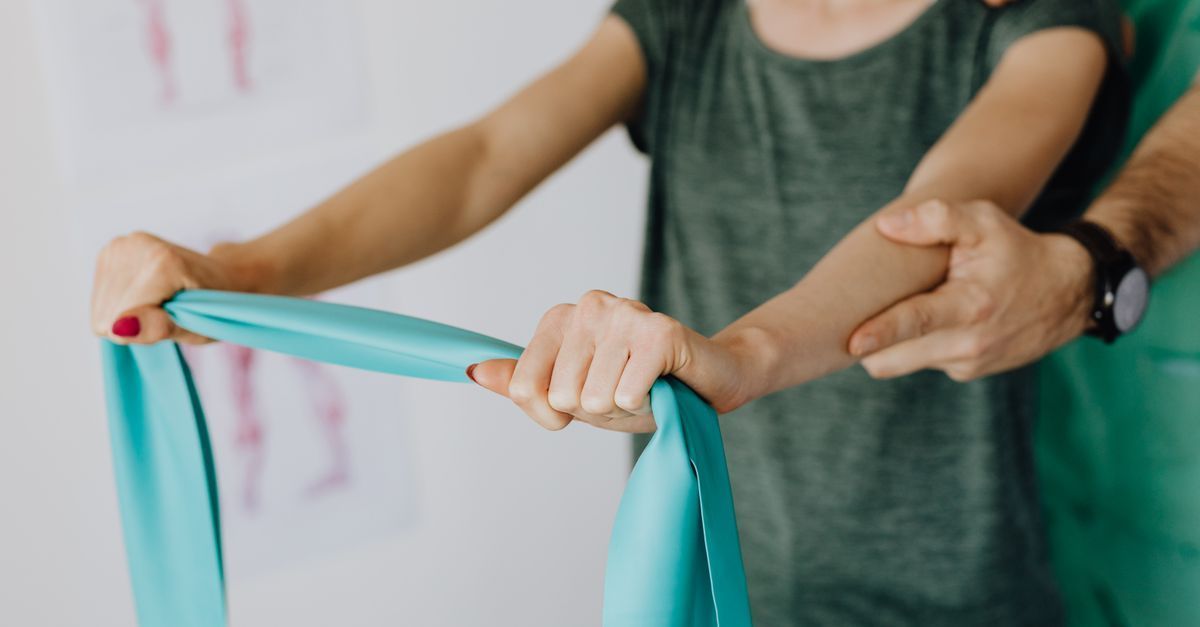
Exercise therapy is the main treatment: strengthening the rotator cuff and the muscles that control the shoulder blade, improving posture and gradually reloading overhead movements. Research comparing arthroscopic decompression with conservative care has generally found similar long-term results for many patients, so surgery is usually reserved for persistent cases or those with a structural problem such as a significant tear.
Risks and side effects
Repeated steroid injections can weaken tendons, so most doctors limit how often they are given. Over-resting can lead to stiffness. Surgery carries usual risks of infection, stiffness and incomplete relief.
Choosing a clinic for shoulder impingement in Seomyeon
- Choose a clinic that examines with ultrasound in the room rather than relying only on X-ray.
- Ask whether a physiotherapist will design a progressive cuff and scapular program for you.
- Ask how many injections they consider reasonable in a year.
- Be cautious of plans built mainly on passive machines without exercise.
- If you play a sport, ask for advice specific to your technique and training load.
For visitors and workers in the area
Many office workers around Seomyeon develop shoulder pain from long desk hours. Clinics near the station often offer evening slots; if you are visiting, it is just a short metro ride from Busan Station on Line 1.
Key facts
- Condition: subacromial pain / impingement, often with bursitis or tendinopathy
- Main symptom: pain lifting the arm sideways or overhead (painful arc)
- Diagnosis: clinical tests, X-ray, shoulder ultrasound
- First-line care: exercise therapy focusing on cuff and shoulder-blade control
- Injections: subacromial steroid injection, used selectively
- Typical improvement: around 6–12 weeks with rehab
- Surgery: rarely needed; considered after failed conservative care
Frequently asked questions
How long does shoulder impingement take to heal?
With a consistent exercise program, many people notice improvement within 6–12 weeks. Longer-standing or recurrent cases can take several months, especially if overhead work or sport continues unchanged.
Should I rest a shoulder with impingement?
Short-term relative rest from painful overhead movements helps, but complete rest causes stiffness and weakness. The goal is to keep moving within comfortable limits and rebuild strength.
Do I need surgery for shoulder impingement?
Most people do not. Surgery such as arthroscopic subacromial decompression is considered only after several months of well-done rehab fail, or when there is another structural problem.
Is a cortisone injection safe for shoulder impingement?
An occasional injection is generally safe and can reduce pain. Repeated injections may harm tendon quality, so doctors usually space them out and combine them with exercise.
Impingement vs rotator cuff tear: how can I tell?
Both cause pain lifting the arm, but tears more often cause clear weakness. An examination plus ultrasound or MRI is needed to tell them apart.
Medical disclaimer: Seomyeon.Clinic is an independent information directory. Content is for general education and does not replace a consultation with a licensed physician. Suitability, risks, results and costs vary by person and clinic. In an emergency in Korea, call 119.