
Rotator Cuff Repair in Seomyeon, Busan
Rotator cuff repair is shoulder surgery, usually arthroscopic, that reattaches a torn rotator cuff tendon to the upper arm bone using anchors and sutures. In Seomyeon, shoulder clinics confirm the tear with ultrasound or MRI, operate in about 1–2 hours, and fit a sling for around 4–6 weeks. Full strength typically returns over 4–6 months or longer.
Independent patient guide · Medically informative, not a substitute for a doctor's advice · Last reviewed:
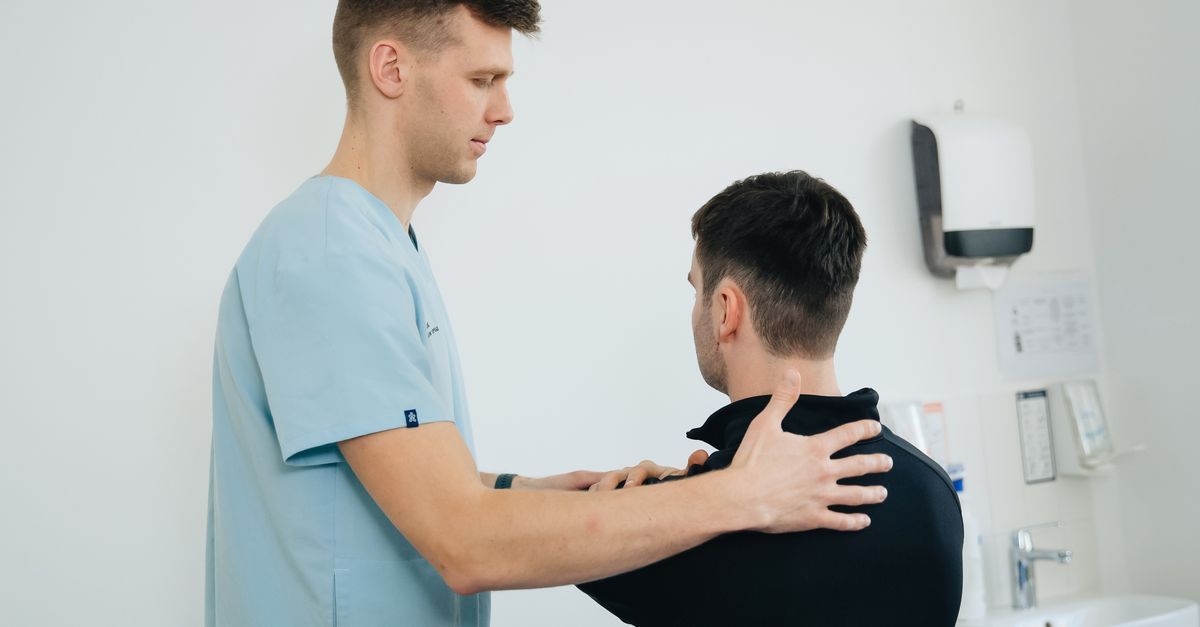
What is rotator cuff repair?
The rotator cuff (회전근개) is a group of four tendons that stabilise and rotate the shoulder. Tears can follow a fall or heavy lift, but many develop gradually with age and wear. In arthroscopic repair, the surgeon works through small incisions, clears inflamed tissue, and fixes the torn tendon back onto bone with suture anchors. Very large or old tears may need additional techniques, and some cannot be fully repaired.
Who is it for?
- Acute traumatic tears, especially in active adults
- Tears causing weakness lifting the arm overhead
- Night pain and loss of function that persist after a course of physiotherapy and injections
Small degenerative tears in older adults often respond to physiotherapy. Earlier repair may be advised for large acute tears because tendons can retract and muscles waste over time.
What happens at the clinic
- Exam: strength and range-of-motion tests for each cuff tendon.
- Imaging: shoulder ultrasound, often followed by MRI to measure the tear and muscle quality.
- Surgery: arthroscopic repair, sometimes with removal of a bone spur (acromioplasty) or treatment of the biceps tendon.
- Discharge: sling fitting, pain management and a phased rehab plan.
Recovery and aftercare
The repair needs time to heal to bone, so early rehab is passive: a therapist moves the arm while the muscles stay relaxed. Active movement follows, then strengthening from around the third month. Sleeping can be uncomfortable for several weeks; many patients sleep semi-upright. Lifting and overhead sport usually wait several months.
Risks and side effects
Risks include re-tear (more likely with large or chronic tears), shoulder stiffness, infection, nerve block side effects and persistent pain. Smoking slows tendon healing, so stopping before surgery is strongly advised.
Choosing a clinic for rotator cuff repair in Seomyeon
- Look for an orthopedic surgeon with a shoulder focus who performs arthroscopic cuff repair routinely.
- Ask: "How large is my tear, how retracted is the tendon, and how good is the muscle quality?"
- Ask whether ultrasound is done in the consultation room so you can see the tear explained.
- Request the phased rehab protocol in writing, including sling duration.
- Confirm physiotherapy availability and whether instructions can be given in English.
If you are visiting Busan
You will need help with daily tasks while one arm is in a sling, and flights with a fresh repair can be awkward. Seomyeon's location on two metro lines makes it easy to return for early wound checks and therapy.
Key facts
- Treats: full-thickness or symptomatic partial rotator cuff tears
- Procedure time: about 1–2 hours
- Anesthesia: general anesthesia, often with a nerve block
- Sling: usually 4–6 weeks
- Driving: generally avoided while in the sling
- Strengthening: typically starts around 2–3 months
- Full recovery: commonly 4–6 months, sometimes up to a year
Frequently asked questions
Can a torn rotator cuff heal without surgery?
Torn tendons do not usually reattach on their own, but many people, especially with small degenerative tears, regain comfortable function with physiotherapy. Surgery is considered when pain and weakness persist or the tear is large and recent.
How long do I wear a sling after rotator cuff repair?
Most surgeons recommend about 4–6 weeks, sometimes with a small pillow that holds the arm slightly away from the body. Larger repairs may need longer protection.
How painful is rotator cuff surgery?
The first one to two weeks are usually the most uncomfortable, particularly at night. A nerve block helps immediately after surgery, followed by oral painkillers and ice.
Is rotator cuff repair covered by insurance in Korea?
Medically indicated repair is generally covered by National Health Insurance for enrolled patients, with co-payments. Some materials or adjunct treatments may be non-covered, so ask for an itemised quote.
When can I return to work after rotator cuff repair?
Desk workers often return within 1–3 weeks using the other hand. Jobs involving lifting or overhead work usually require several months before full duties.
Medical disclaimer: Seomyeon.Clinic is an independent information directory. Content is for general education and does not replace a consultation with a licensed physician. Suitability, risks, results and costs vary by person and clinic. In an emergency in Korea, call 119.