
Hair Loss & Hair Transplant in Seomyeon, Busan
Hair loss and hair transplant care in Seomyeon ranges from diagnosing the cause of thinning, through medication such as finasteride and minoxidil and scalp therapies like PRP, to surgical FUE, FUT and non-shaven transplants. Seomyeon has dermatology and dedicated hair clinics near the station. A good first step is a medical diagnosis; transplant suits stable pattern hair loss with enough donor hair.
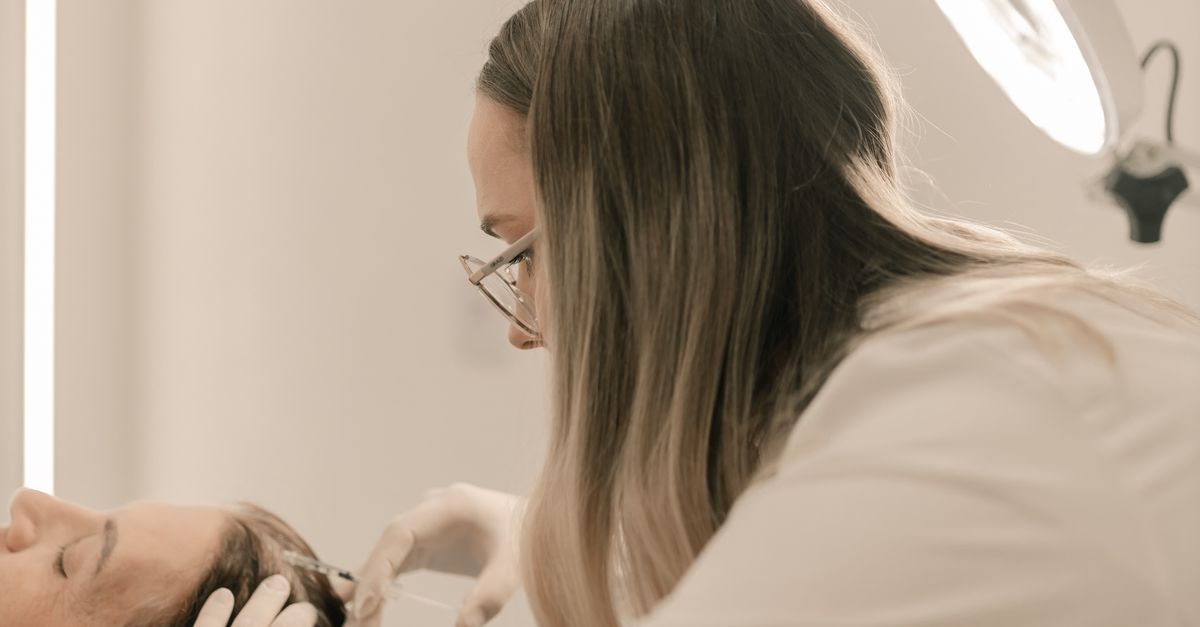
What does hair loss care cover?
Hair loss medicine treats any condition that thins or removes hair from the scalp, brows or beard. It includes diagnosis (trichoscopy, blood tests), medical treatment for pattern hair loss, management of conditions like alopecia areata, seborrheic dermatitis and postpartum shedding, add-on scalp therapies (PRP, mesotherapy, low-level laser, exosomes) and surgical restoration: FUE, FUT and non-shaven transplants, hairline lowering, eyebrow and beard transplants, scar grafting and revision of earlier transplants. Scalp micropigmentation offers a non-surgical cosmetic option.
Common reasons people visit Seomyeon hair clinics
- Receding hairline or thinning crown in men
- A widening part or reduced volume in women
- Sudden shedding after stress, illness or childbirth
- Round bald patches
- Itchy, flaky scalp
- Interest in a discreet, non-shaven transplant that fits around work
How hair loss clinics in Korea typically work
- Dermatology clinics (피부과) handle diagnosis and medical treatment, and many offer scalp procedures.
- Hair transplant clinics focus on surgery, often run by plastic surgeons, dermatologists or physicians trained in hair restoration.
- Appointments: medical consultations are often available the same day; transplant surgery is booked in advance after a consultation.
- Coverage: National Health Insurance generally covers medical conditions such as alopecia areata or seborrheic dermatitis for enrollees; pattern hair loss treatments and transplants are usually paid privately.
- Technology: Korean clinics commonly use implanter pens for graft placement and offer non-shaven transplant techniques.
Tips for foreigners
- Get a diagnosis before committing to transplant or multi-session packages.
- For transplants, plan at least a few days in Busan for the first wash and check; a week is more comfortable.
- Ask how prescriptions can be continued when you return home.
- Remember results take 9–12 months; arrange photo follow-up remotely if possible.
- Bring records from any previous hair surgery.
How to choose a clinic
Look for a doctor who explains your diagnosis clearly, protects your long-term donor supply, and treats hair loss as an ongoing condition rather than a one-off procedure. Ask who performs each step of surgery and request healed results at 12 months. Seomyeon Station, the transfer point for Metro Lines 1 and 2, makes repeat visits easy from across Busan.
Treatment guides
- Hair Loss Diagnosis
- FUE Hair Transplant
- Non-Shaven Hair Transplant
- FUT Hair Transplant
- Hairline Lowering
- Female Hair Loss Treatment
- Male Pattern Baldness Treatment
- Hair Loss Medication
- Scalp PRP Therapy
- Scalp Exosome Therapy
- Scalp Mesotherapy
- Low-Level Laser Hair Therapy
- Scalp Micropigmentation
- Eyebrow Transplant
- Beard Transplant
- Alopecia Areata Treatment
- Seborrheic Scalp Treatment
- Postpartum Hair Loss Treatment
- Scar Hair Transplant
- Hair Transplant Revision
Frequently asked questions
Should I see a dermatologist or a hair transplant clinic first?
Start with a medical diagnosis, ideally from a dermatologist. Many causes of hair loss are treatable without surgery, and medication helps protect existing hair. A transplant is considered once pattern hair loss is diagnosed and reasonably stable.
Is hair loss treatment covered by insurance in Korea?
Medical conditions such as alopecia areata and seborrheic dermatitis are generally covered by National Health Insurance for those enrolled. Treatment for pattern hair loss, scalp procedures and hair transplants are usually paid privately.
How long should I stay in Busan after a hair transplant?
Many clinics like to see you the next day for the first wash and check. Staying around a week is comfortable while scabs settle. FUT patients may need stitches removed at about 10–14 days or arrange removal at home.
When will I see hair transplant results?
Transplanted hairs usually shed within weeks, then regrow from around 3–4 months. Most results are visible at 9–12 months, and the crown can take longer.
What is a non-shaven hair transplant?
It is a transplant done without shaving the whole head, so existing hair hides the work. Popular in Korea with office workers, it usually takes longer and may allow fewer grafts per session than shaved FUE.
Medical disclaimer: Seomyeon.Clinic is an independent information directory. Content is for general education and does not replace a consultation with a licensed physician. In an emergency in Korea, call 119.