
Eyebrow Transplant in Seomyeon, Busan
An eyebrow transplant (눈썹 이식) moves individual hair follicles, usually from the back of the scalp, into sparse or missing eyebrows to create permanent natural hair. In Seomyeon, Busan, the procedure typically takes about 2–4 hours under local anesthesia. Small scabs clear in about a week; transplanted hairs usually regrow from around 3–4 months and need regular trimming because they keep growing like scalp hair.
Independent patient guide · Medically informative, not a substitute for a doctor's advice · Last reviewed:
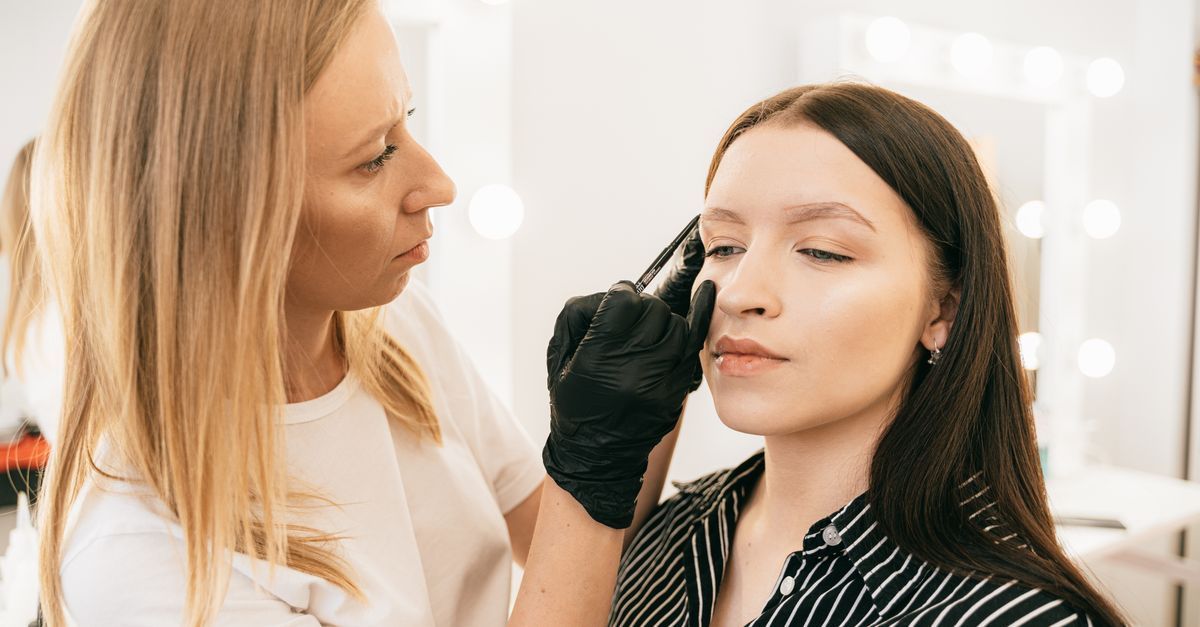
What is an eyebrow transplant?
Eyebrow transplantation is a delicate type of hair transplant. Single-hair follicular units are carefully selected, often from the back of the scalp where hairs are fine. Each graft is placed at a very shallow angle and in the direction of natural brow hair, which typically grows upward and outward near the inner brow and sideways towards the tail. Precise placement is what makes results look natural.
Who is it for?
- People with brows thinned by years of plucking or waxing
- Those with gaps from scars, burns or injury
- People wanting fuller brows who are tired of daily makeup or semi-permanent tattoo touch-ups
Brow loss from active medical conditions, such as alopecia areata, thyroid disease or frontal fibrosing alopecia, should be diagnosed and stabilised first, because transplants may fail or the condition may spread.
What happens at the clinic
- Consultation: diagnosis of brow loss cause, brow shape design and graft estimate.
- Design: the brow outline is drawn and agreed with you.
- Harvest: under local anesthesia, grafts are taken from a small donor area.
- Implantation: tiny slits or implanter pens place each hair at the correct angle.
- Aftercare instructions: how to clean, what to avoid, and when to return.
Recovery and aftercare
Small crusts around each graft fall off in about a week; avoid rubbing, makeup and sweating on the brows during this time. Mild swelling around the eyes is possible for a few days. Transplanted hairs often shed in the first weeks, then regrow from about 3–4 months, with fuller results by 6–12 months. Because the hairs come from the scalp, they grow longer than native brow hair and need regular trimming; some people train direction with brow gel.
Risks and side effects
- Hairs growing in the wrong direction or at a steep angle
- Unnatural density or shape
- Ingrown hairs, small cysts or redness
- Poor growth in scarred skin
- Swelling and bruising around the eyes
Choosing a clinic for eyebrow transplant in Seomyeon
- Choose a surgeon with specific eyebrow transplant experience, not only scalp work.
- Ask how they choose fine single-hair grafts for the brow.
- Ask how they control angle and direction, especially in the tail.
- Ask to see healed results at 12 months.
- Ask whether the cause of brow loss has been checked medically.
Short stay planning
A one-week stay covers scab shedding and a check. Seomyeon is easy to reach by Line 2 if you arrive via Gimhae Airport and the light rail.
Key facts
- Treats: thin, sparse or absent eyebrows from over-plucking, scars, genetics or some medical conditions
- Donor: usually single-hair grafts from the back of the scalp
- Technique: FUE or small strip; very fine angle control
- Procedure time: about 2–4 hours
- Anesthesia: local
- Downtime: tiny scabs and redness for about 5–7 days
- Maintenance: trimming every 1–2 weeks or so
Frequently asked questions
Is an eyebrow transplant permanent?
Transplanted follicles usually keep growing long-term because they come from the scalp's permanent donor zone. However, they behave like scalp hair, growing longer, so regular trimming is needed.
How long until transplanted eyebrows grow?
Transplanted hairs often shed in the first few weeks, then begin regrowing around 3–4 months. Results look fuller by about 6 months, with final appearance at around 12 months.
Eyebrow transplant vs eyebrow tattoo: which is better?
Tattooing (semi-permanent makeup) adds colour without hair and fades over time. A transplant gives real hair with texture but involves surgery and trimming. Some people combine both for density and definition.
Does an eyebrow transplant hurt?
Local anesthetic injections sting briefly, then the procedure is generally comfortable. Mild soreness and swelling may occur for a few days, usually managed with simple pain relievers.
Will I need to trim transplanted eyebrows?
Yes. Scalp hair grows longer than natural brow hair, so most people trim every week or two. Over time, some transplanted hairs may become slightly finer, but trimming usually remains necessary.
Medical disclaimer: Seomyeon.Clinic is an independent information directory. Content is for general education and does not replace a consultation with a licensed physician. Suitability, risks, results and costs vary by person and clinic. In an emergency in Korea, call 119.