
FUE Hair Transplant in Seomyeon, Busan
FUE hair transplant (비절개 모발이식) moves individual follicular units from the back of the scalp to thinning areas using tiny punches, leaving small dot scars instead of a linear scar. In Seomyeon, Busan, the procedure typically takes most of a day under local anesthesia. Scabs shed in about 7–14 days, transplanted hairs usually shed then regrow from around 3–4 months, with fuller results at 9–12 months.
Independent patient guide · Medically informative, not a substitute for a doctor's advice · Last reviewed:
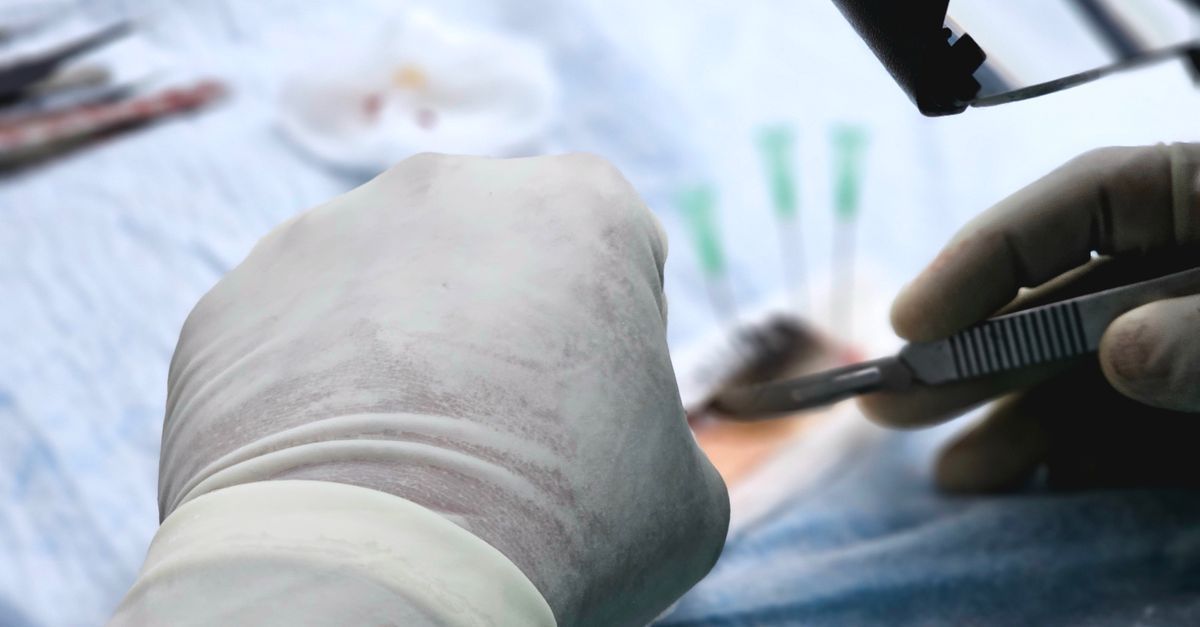
What is an FUE hair transplant?
Hair at the back and sides of the scalp is usually resistant to the hormone DHT that drives pattern hair loss. In follicular unit extraction (FUE), these follicles are removed one by one with a small circular punch, then implanted into recipient sites in the thinning area, where they keep their resistance. Korean clinics often use implanter pens (Choi implanters, developed in Korea) for placement, which can allow dense packing with less handling.
Who is it for?
- Men and women with stable pattern hair loss and an adequate donor area
- People wanting short hairstyles where a linear scar would show
- Those correcting hairlines or filling in previous transplant areas
Young patients with rapidly progressing loss should usually stabilise with medication first. Diffuse unpatterned thinning or active scalp disease may make transplant unsuitable.
What happens at the clinic
- Consultation: diagnosis, donor density assessment, hairline design and graft estimate.
- Preparation: donor area is trimmed or shaved; photographs taken.
- Anesthesia: local anesthetic is injected into donor and recipient areas.
- Extraction: grafts are harvested individually and kept chilled in solution.
- Implantation: grafts are placed at the planned angle and density.
- Aftercare instructions: sleeping position, washing schedule and medication.
Recovery and aftercare
Swelling of the forehead can appear for a few days. Small scabs form around each graft and fall off within about 1–2 weeks with gentle washing. Avoid rubbing, sweating heavily, alcohol, smoking and swimming for the period your surgeon advises. Transplanted hairs commonly shed after 2–6 weeks (normal) and regrow from around 3–4 months; most growth is visible by 9–12 months, with crown results sometimes taking longer. Continuing medication helps protect non-transplanted hair.
Risks and side effects
- Swelling, numbness and itching
- Folliculitis (pimple-like bumps)
- Shock loss of existing hair near the recipient area, usually temporary
- Overharvesting of the donor area, causing a thin or moth-eaten look
- Poor growth or unnatural hairline from inadequate planning
Choosing a clinic for FUE in Seomyeon
- Confirm a licensed physician performs key steps such as design and incisions, not only technicians.
- Ask how many grafts they recommend and how they protect the donor area for the future.
- Ask whether they use implanter pens or forceps, and why.
- Ask about long-term hair-loss management, not only the surgery.
- Ask to see results at 12 months on patients with similar hair type.
Planning a transplant trip
Plan to stay at least 1–2 days after surgery for the first wash and check; many people stay about a week. Seomyeon is reached from Gimhae Airport by the light rail and Line 2.
Key facts
- Treats: stable male or female pattern hair loss, receding hairline, crown thinning
- Technique: follicular unit extraction with 0.7–1.0 mm punches; implantation by forceps or implanter pens
- Donor area: usually shaved at the back and sides of the head
- Procedure time: often 4–8 hours depending on graft number
- Anesthesia: local, sometimes with light sedation
- Downtime: about 7–14 days of scabs and redness
- Typical NHI coverage: not covered (cosmetic)
Frequently asked questions
How long does an FUE hair transplant take to grow?
Transplanted hairs usually shed within a few weeks, then begin regrowing at around 3–4 months. Noticeable improvement appears at about 6 months, with most results visible by 9–12 months and the crown sometimes taking longer.
Does FUE leave scars?
FUE leaves tiny dot scars in the donor area that are usually hidden by hair a few millimetres long. It avoids the linear scar of FUT, but very short shaved styles may still reveal small white dots.
Do I have to shave my head for FUE?
Standard FUE usually requires shaving the donor area and often the recipient area. Non-shaven or partially shaven techniques exist but are slower and may limit graft numbers in one session.
Is FUE hair transplant painful?
Local anesthetic injections are the most uncomfortable part. After that, most people feel only pressure. Mild soreness, tightness and swelling for a few days are usually controlled with simple pain relievers.
Will I still need medication after a hair transplant?
Usually yes, for pattern hair loss. Transplanted hair is resistant, but your existing hair can keep thinning. Medication such as finasteride or minoxidil helps preserve it and keeps results looking natural over time.
Medical disclaimer: Seomyeon.Clinic is an independent information directory. Content is for general education and does not replace a consultation with a licensed physician. Suitability, risks, results and costs vary by person and clinic. In an emergency in Korea, call 119.