
Hair Loss Diagnosis in Seomyeon, Busan
Hair loss diagnosis (탈모 진단) is a medical assessment to find out why hair is thinning or shedding, using history, scalp examination, trichoscopy (scalp microscopy), a pull test and, when needed, blood tests or a scalp biopsy. In Seomyeon, Busan, a first visit typically takes 20–40 minutes. The result guides treatment, since pattern hair loss, alopecia areata and shedding conditions are managed very differently.
Independent patient guide · Medically informative, not a substitute for a doctor's advice · Last reviewed:
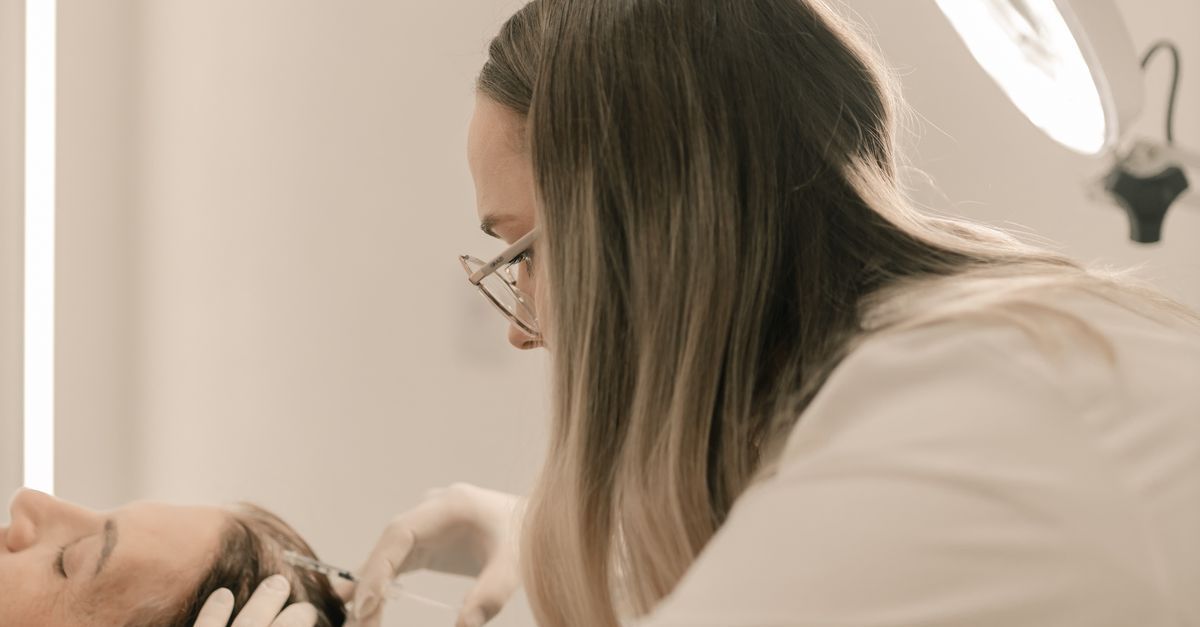
What is a hair loss diagnosis?
Hair loss has many causes, and treatment only works when matched to the right one. A diagnostic visit at a dermatology or hair-loss clinic aims to answer: is the hair falling out (shedding), becoming finer (miniaturising) or breaking? Is the pattern diffuse, patchy or following a male or female pattern? Is the scalp healthy, inflamed or scarred?
Symptoms and when to see a doctor
- A receding hairline or thinning crown, or a widening part
- Noticeably more hair on the pillow, in the shower or brush for more than a few weeks
- Round bald patches, or loss of eyebrows or beard hair
- Itching, pain, redness or scaling of the scalp
- Hair loss after illness, surgery, childbirth, crash dieting or a new medication
See a doctor promptly for sudden, patchy or painful hair loss, as some scarring conditions cause permanent loss if not treated early.
What happens at the clinic
- History: onset, family history, illnesses, stress, diet, medications, menstrual and pregnancy history.
- Scalp examination: pattern and distribution, signs of inflammation or scarring; grading such as Norwood (men) or Ludwig (women) scales.
- Trichoscopy: a magnified camera shows hair-shaft diameter variation, follicle openings, and features of specific conditions.
- Pull test: gentle traction on a group of hairs indicates active shedding.
- Blood tests: if indicated, iron stores, thyroid and other markers.
- Plan: the doctor explains the diagnosis and treatment options, from medication to procedures or transplant.
Treatment outlook
Many causes respond well when identified. Telogen effluvium often recovers on its own within months once the trigger resolves. Pattern hair loss is progressive but can be slowed and partly reversed with medication. Alopecia areata may regrow with treatment, though it can recur. Scarring alopecias need early treatment to preserve remaining hair.
Risks and limitations
Diagnostic tests are low risk. A scalp biopsy leaves a tiny stitch site. Some clinics offer extensive tests or hair "mineral analysis" with limited evidence; ask what each test will change in your treatment.
Choosing a clinic for hair loss diagnosis in Seomyeon
- Prefer a dermatologist (피부과 전문의) who diagnoses before selling treatment packages.
- Ask whether trichoscopy and standardised photos will be used to track progress.
- Ask which blood tests are recommended and why.
- Ask for a written diagnosis you can share with your doctor at home.
- Check whether follow-ups can be done every 3–6 months.
For residents and visitors
A diagnosis visit fits easily into a day. Hair-loss clinics in Seomyeon are clustered near the station, an easy trip from Busan Station on Line 1.
Key facts
- Identifies: androgenetic (pattern) alopecia, telogen effluvium, alopecia areata, scarring alopecias, scalp conditions
- Tools: history, trichoscopy, pull test, standardised photos, density measurement
- Blood tests: ferritin/iron, thyroid function, vitamin D, sometimes hormones
- Biopsy: occasionally, for unclear or scarring hair loss
- Visit time: about 20–40 minutes
- Follow-up: repeat photos every few months to track change
Frequently asked questions
What tests are done for hair loss?
Typical tests include a scalp examination, trichoscopy (scalp microscopy), a hair pull test and photographs. Blood tests for iron, thyroid function and sometimes hormones are added when indicated. A biopsy is reserved for unclear or scarring cases.
How do I know if my hair loss is genetic?
Pattern hair loss usually follows a typical distribution: receding temples and crown in men, or widening part in women, with miniaturised hairs seen on trichoscopy. Family history supports it, but a doctor's examination confirms the diagnosis.
Is it normal to lose hair every day?
Yes, losing some hairs daily is normal as part of the hair cycle. Persistent, noticeably increased shedding for weeks, visible thinning or bald patches are reasons to get checked.
Can stress cause hair loss?
Major physical or emotional stress can trigger telogen effluvium, a temporary shedding that typically begins 2–3 months after the event. It usually recovers within months once the trigger resolves.
Should I see a dermatologist or a hair transplant clinic first?
Start with a medical diagnosis, ideally from a dermatologist, to rule out treatable causes and stabilise loss. A transplant is a later option for stable pattern hair loss and is not suitable for every cause.
Medical disclaimer: Seomyeon.Clinic is an independent information directory. Content is for general education and does not replace a consultation with a licensed physician. Suitability, risks, results and costs vary by person and clinic. In an emergency in Korea, call 119.