
Scalp Exosome Therapy in Seomyeon, Busan
Scalp exosome therapy (두피 엑소좀) applies exosome-containing solutions, small vesicles derived from cultured cells, to the scalp, usually after microneedling or by injection, with the aim of supporting hair growth. In Seomyeon, Busan, a session typically takes 30–60 minutes with minimal downtime. Evidence is still early and limited, so it is best treated as an optional add-on to proven hair loss treatments.
Independent patient guide · Medically informative, not a substitute for a doctor's advice · Last reviewed:
What is scalp exosome therapy?
Exosomes are tiny vesicles released by cells that carry proteins, lipids and genetic material between cells. Laboratory and early clinical studies have explored whether exosomes from stem-cell cultures can influence hair follicle activity. Korean clinics have embraced exosome products as add-on treatments for hair and skin, typically applied after microneedling so the solution can reach deeper skin layers. However, high-quality, large clinical trials for hair loss are still limited, and products differ in source, concentration and regulatory status.
Who is it for?
- People with pattern hair loss already using or unable to use standard medication
- Those wanting additional supportive treatment after a transplant
- Patients who understand the evidence is still developing
It is not appropriate for active scalp infection, open wounds or people with allergies to product ingredients. Patchy or scarring alopecia needs targeted medical treatment instead.
What happens at the clinic
- Diagnosis: the cause of hair loss is confirmed and baseline photos taken.
- Product discussion: the doctor explains the exosome product, its source and intended use.
- Preparation: scalp is cleaned; numbing may be applied.
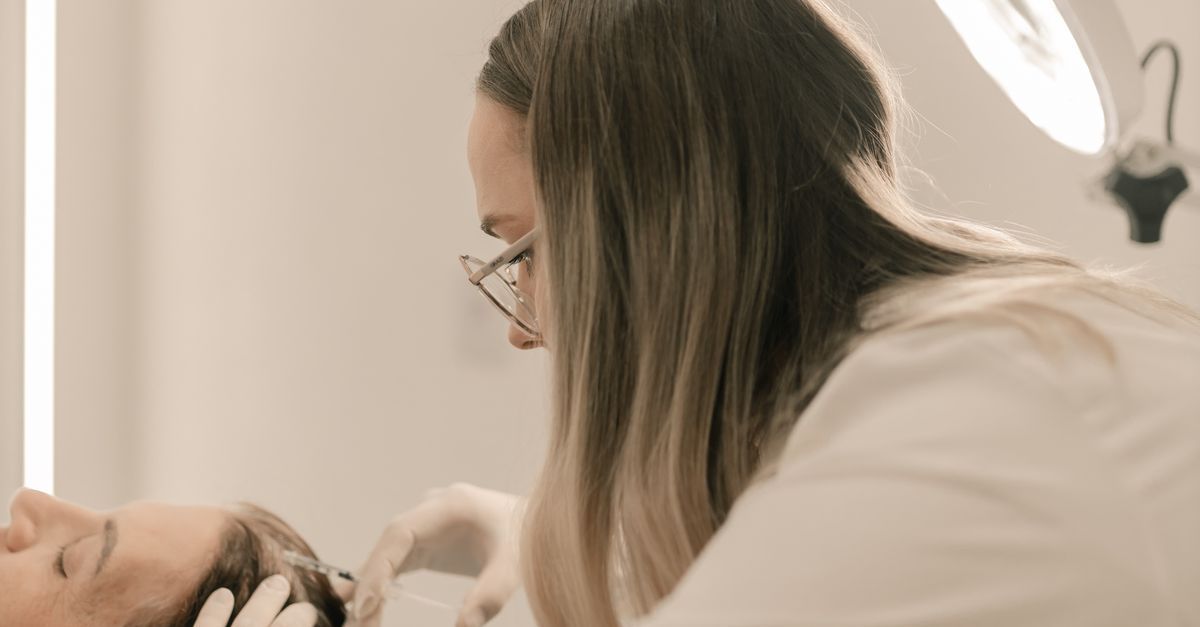
- Delivery: microneedling or fine injections, followed by application of the exosome solution.
- Finish: calming care and instructions to avoid washing for several hours.
Treatment outlook
Any improvement develops gradually over months and varies between individuals. Because evidence is limited, set realistic expectations, track progress with photos, and continue proven treatments such as minoxidil or DHT blockers where appropriate.
Risks and side effects
- Redness, tenderness, pinpoint bleeding from microneedling
- Itching or irritation from the product
- Infection if sterile technique is not followed
- Uncertain product quality and standardisation between brands
- Cost of multiple sessions without guaranteed benefit
Choosing a clinic for scalp exosome therapy in Seomyeon
- Ask exactly which exosome product is used, its source and whether it is intended for medical use.
- Ask what evidence the clinic relies on and how it will measure your results.
- Ask whether exosome therapy is being added to, not replacing, proven treatment.
- Confirm sterile technique and single-use needles.
- Be cautious of claims of guaranteed regrowth.
Local context
Exosome treatments are widely advertised in Seomyeon's busy clinic district. Taking time to compare explanations from a couple of clinics, reachable easily via the metro, can help you decide.
Key facts
- Used for: pattern hair loss as an add-on; scalp condition support
- What it is: extracellular vesicles from cultured stem cells or other cell sources
- Delivery: microneedling, injection or device-assisted infusion
- Session time: about 30–60 minutes
- Course: often several sessions, schedules vary by clinic
- Downtime: mild redness or tenderness for a day
- Evidence: early-stage; not a substitute for medication
Frequently asked questions
Do exosomes work for hair loss?
Early studies are promising but limited, and products vary considerably. Exosome therapy is not yet as well established as finasteride, minoxidil or hair transplant. It is best considered an optional add-on with uncertain benefit.
Exosome vs PRP for hair: what is the difference?
PRP uses concentrated platelets from your own blood. Exosome products are manufactured from cultured cells and applied to the scalp. Both are add-on treatments with evolving evidence; PRP has been studied for longer.
Is scalp exosome therapy safe?
Short-term side effects are usually mild, such as redness or tenderness from microneedling. Long-term data and product standardisation are still developing, so ask about the product's source and regulatory status.
How many exosome sessions are needed?
Schedules vary between clinics, often several sessions spaced weeks apart. Because evidence is limited, agree on a trial period and assess results with photos before committing to further sessions.
Is there downtime after exosome treatment?
Minimal. Mild redness and tenderness usually settle within a day. Avoid washing the scalp for several hours afterward and skip saunas or intense exercise on the day of treatment.
Medical disclaimer: Seomyeon.Clinic is an independent information directory. Content is for general education and does not replace a consultation with a licensed physician. Suitability, risks, results and costs vary by person and clinic. In an emergency in Korea, call 119.