
Scalp Micropigmentation in Seomyeon, Busan
Scalp micropigmentation (두피 문신, SMP) is a cosmetic tattoo technique that deposits tiny pigment dots in the scalp to mimic hair follicles, creating the look of a closely shaved head, adding density behind thinning hair or camouflaging scars. In Seomyeon, Busan, it usually takes 2–3 sessions of 2–4 hours each, spaced 1–2 weeks apart. Results fade gradually and may need touch-ups every few years.
Independent patient guide · Medically informative, not a substitute for a doctor's advice · Last reviewed:
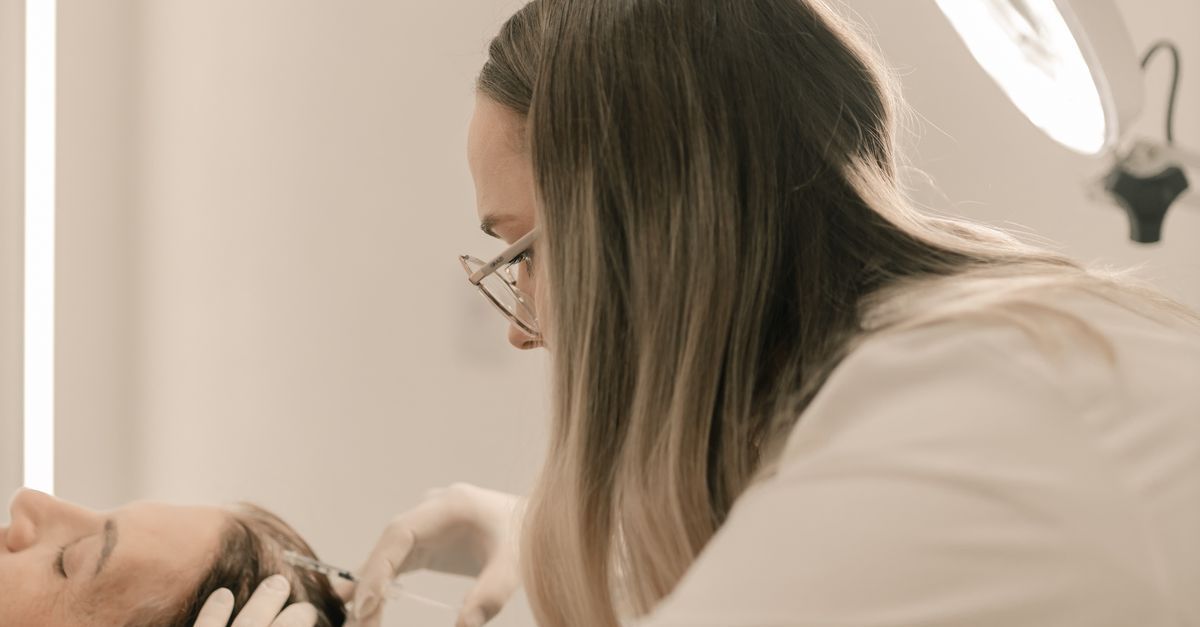
What is scalp micropigmentation?
SMP is a specialised form of cosmetic tattooing. Unlike regular tattoos, it uses fine needles and pigments placed at a shallow depth to replicate individual follicle dots of varying size and tone. It does not grow hair; it creates a visual illusion. In Korea, SMP may be performed at clinics or specialised studios; because tattooing involves needles and medical risk, choosing a setting that follows strict hygiene standards and has medical oversight is advisable.
Who is it for?
- Men with advanced hair loss who like a shaved-head look
- People with diffuse thinning wanting less scalp show-through
- Those with FUT scars, surgical scars or alopecia patches
- People who are not candidates for, or do not want, a transplant
People prone to keloids, with active scalp conditions (psoriasis, eczema flares, infection) or with ongoing alopecia areata should get medical advice first. If you might later want a transplant, discuss how SMP may affect that.
What happens at the clinic
- Consultation: hairline design, pigment shade matching and planning for skin tone and future hair loss.
- First session: a light base layer of dots is placed across the area.
- Second session: after healing, density and variation are built up.
- Third session (if needed): refinement and darker or lighter adjustments.
- Aftercare: instructions for washing, sun and sweating.
Recovery and aftercare
Mild redness typically fades within a few days. Avoid washing the scalp for a few days as instructed, and avoid swimming, saunas, heavy sweating and direct sun for about a week or two. Long term, sun protection slows fading. Pigment can soften and lighten over years, so touch-ups are normal.
Risks and side effects
- Pigment spreading (blurring) or colour change, such as a bluish tint, if placed too deep
- Unnatural hairline design or dots that look too uniform
- Allergic reaction to pigment, rare
- Infection if hygiene is inadequate
- Difficulty removing unwanted results; laser removal is possible but can take many sessions
Choosing a clinic for SMP in Seomyeon
- Choose a provider with strict sterile procedures and, ideally, medical oversight.
- Ask to see healed results at least 6–12 months old.
- Ask how they design a hairline that will still look age-appropriate later.
- Ask which pigments are used and how they avoid colour shift.
- Ask about touch-up policy and the removal options if needed.
Planning sessions
Multiple sessions spaced 1–2 weeks apart mean SMP suits residents or longer stays. Seomyeon is convenient from Busan Station via Line 1.
Key facts
- Used for: buzz-cut look on bald scalp, density illusion with longer hair, transplant or surgical scar camouflage, alopecia
- Technique: fine needles deposit pigment in the upper dermis
- Session time: about 2–4 hours
- Sessions: typically 2–3, spaced 1–2 weeks apart
- Downtime: redness for 1–3 days
- Longevity: semi-permanent; touch-ups every few years
- Typical NHI coverage: not covered (cosmetic)
Frequently asked questions
How long does scalp micropigmentation last?
SMP is semi-permanent. It typically lasts several years, but pigment gradually fades and softens, especially with sun exposure. Touch-up sessions every few years keep it looking fresh.
Does scalp micropigmentation hurt?
Most people describe mild to moderate discomfort, similar to a light tattoo. Sensitivity varies by area and person. Some clinics apply numbing cream to make sessions more comfortable.
Can SMP hide hair transplant scars?
Yes, SMP is commonly used to camouflage FUT linear scars and FUE dot scars by adding pigment dots that blend with surrounding hair. Scar tissue may absorb pigment differently, so touch-ups may be needed.
Can I still get a hair transplant after SMP?
Often yes, but discuss it with both providers. SMP in the recipient area can affect how a surgeon plans grafts, and transplanted hair growth may change how SMP looks.
Can scalp micropigmentation be removed?
It can be lightened or removed with tattoo-removal lasers, but this usually requires multiple sessions. Choosing an experienced provider and a conservative design reduces the chance of needing removal.
Medical disclaimer: Seomyeon.Clinic is an independent information directory. Content is for general education and does not replace a consultation with a licensed physician. Suitability, risks, results and costs vary by person and clinic. In an emergency in Korea, call 119.