
DNA (PDRN) Injection in Seomyeon, Busan
A DNA (PDRN) injection uses polydeoxyribonucleotide, DNA fragments typically purified from salmon, injected into tendons, ligaments or joints with the aim of supporting tissue repair. In Seomyeon, pain and orthopedic clinics usually give it under ultrasound guidance in a short visit, often as a course of several weekly sessions. Research is growing but still limited.
Independent patient guide · Medically informative, not a substitute for a doctor's advice · Last reviewed:
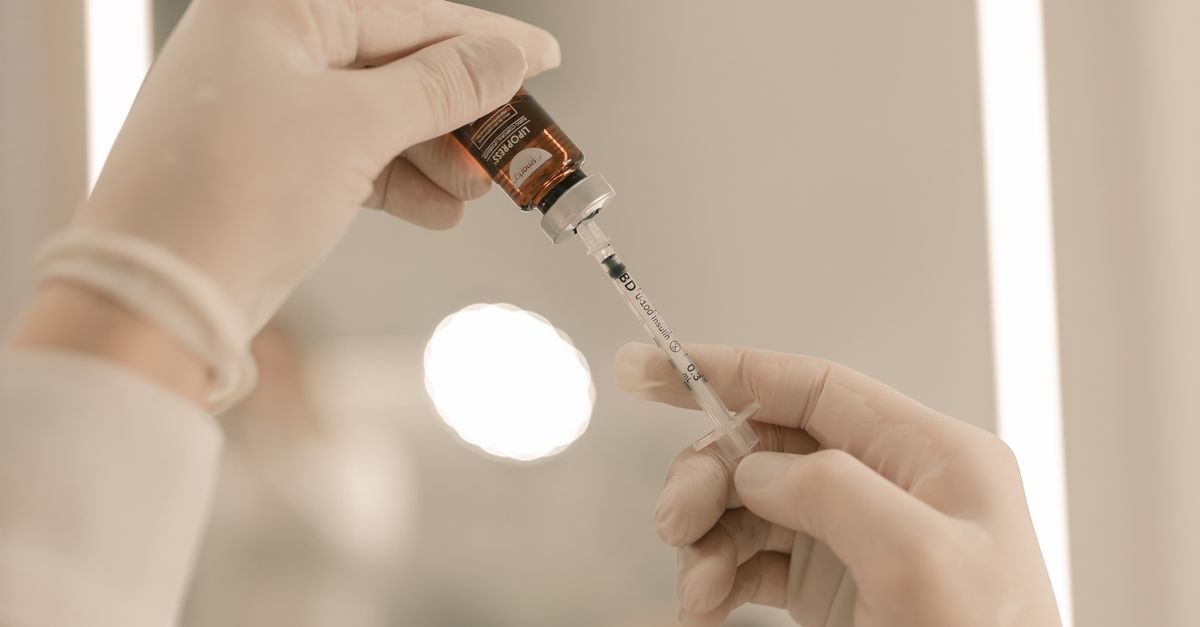
What is a PDRN injection?
PDRN (polydeoxyribonucleotide), widely called a "DNA injection" (DNA 주사) or "salmon injection" in Korea, is a mixture of DNA fragments purified for medical use. Laboratory and animal research suggests it may encourage tissue repair, partly through effects on adenosine receptors, and reduce inflammation. In Korea it is used in pain and orthopedic clinics for tendons and ligaments, and separately in dermatology as a skin booster. Unlike steroids, it is not expected to weaken tendons, which is one reason clinicians use it for tendon problems.
Who is it for?
- Chronic tendinopathy, such as rotator cuff, tennis elbow or Achilles
- Partial ligament or tendon injuries
- Plantar fasciitis not settling with stretching and footwear
- Some cases of knee osteoarthritis pain
It is usually considered when exercise-based rehab has not been enough, or when doctors want to avoid repeated steroid injections. People with fish or salmon allergy should tell their doctor.
What happens at the clinic
- Diagnosis: exam and ultrasound to confirm the injured structure.
- Preparation: the skin is cleaned; local anesthetic may be used.
- Injection: under ultrasound guidance, PDRN is injected into or around the damaged tissue.
- Course planning: repeat injections are scheduled, commonly weekly.
- Rehab: continue your exercise program between sessions.
Treatment outlook
Some clinical studies, many from Korea, report improved pain and function for tendon and joint conditions compared with control treatments. However, many studies are small or short-term, so the overall evidence is still considered limited. PDRN is best viewed as an adjunct to exercise and load management, not a stand-alone cure. If there is no improvement after a full course, the diagnosis and plan should be reviewed.
Risks and side effects
Side effects are usually mild: injection-site pain, swelling or bruising. Allergic reactions are possible, especially in people with fish allergy. As with any injection, infection is rare but possible.
Choosing a clinic for PDRN injections in Seomyeon
- Ask what evidence supports PDRN for your specific diagnosis.
- Confirm that injections are ultrasound-guided into the correct structure.
- Ask how many sessions are planned and how progress will be measured.
- Request clear pricing and whether any part is insurance-covered.
- Make sure an exercise or rehab plan accompanies the injections.
For visitors
A full weekly course is easier for residents than short-stay visitors. If you are in Busan for a few weeks, Seomyeon is reachable by Metro Line 1 or 2 from most neighbourhoods.
Key facts
- Substance: polydeoxyribonucleotide (PDRN), usually salmon-derived
- Used for: tendinopathy, ligament strain, plantar fasciitis, some joint pain
- Guidance: usually ultrasound-guided
- Session time: about 10–20 minutes
- Course: often 3–5 injections, about weekly
- Downtime: minimal; mild soreness possible
- Evidence: promising small studies, larger high-quality trials limited
Frequently asked questions
What is PDRN made from?
Most medical PDRN is purified DNA fragments from salmon or trout. The purification process removes proteins, but people with fish allergy should tell their doctor before treatment.
Does a DNA injection work for tendon pain?
Some studies suggest improvement in pain and function for tendon problems, but evidence remains limited. It is generally used alongside exercise rehab rather than instead of it.
How many PDRN injections are needed?
Courses commonly involve 3–5 injections about a week apart, though protocols vary. Ask how your clinic decides the number and when results will be reviewed.
Is a PDRN injection covered by insurance in Korea?
Coverage depends on the product and indication, and many musculoskeletal uses are self-pay. Ask the clinic for a clear answer and the total course cost before starting.
PDRN vs steroid injection: what is the difference?
Steroids reduce inflammation quickly but may weaken tendons with repeated use. PDRN aims to support tissue repair with a lower risk of tendon weakening, though its effect is slower and less proven.
Medical disclaimer: Seomyeon.Clinic is an independent information directory. Content is for general education and does not replace a consultation with a licensed physician. Suitability, risks, results and costs vary by person and clinic. In an emergency in Korea, call 119.