
Prolotherapy in Seomyeon, Busan
Prolotherapy is an injection treatment that places an irritant solution, usually concentrated dextrose (sugar water), into painful ligaments, tendons or joints to trigger a healing response. In Seomyeon, pain clinics typically perform it under ultrasound guidance in sessions of about 15–30 minutes, repeated every 2–4 weeks for several sessions. Evidence is mixed but encouraging for some conditions.
Independent patient guide · Medically informative, not a substitute for a doctor's advice · Last reviewed:
What is prolotherapy?
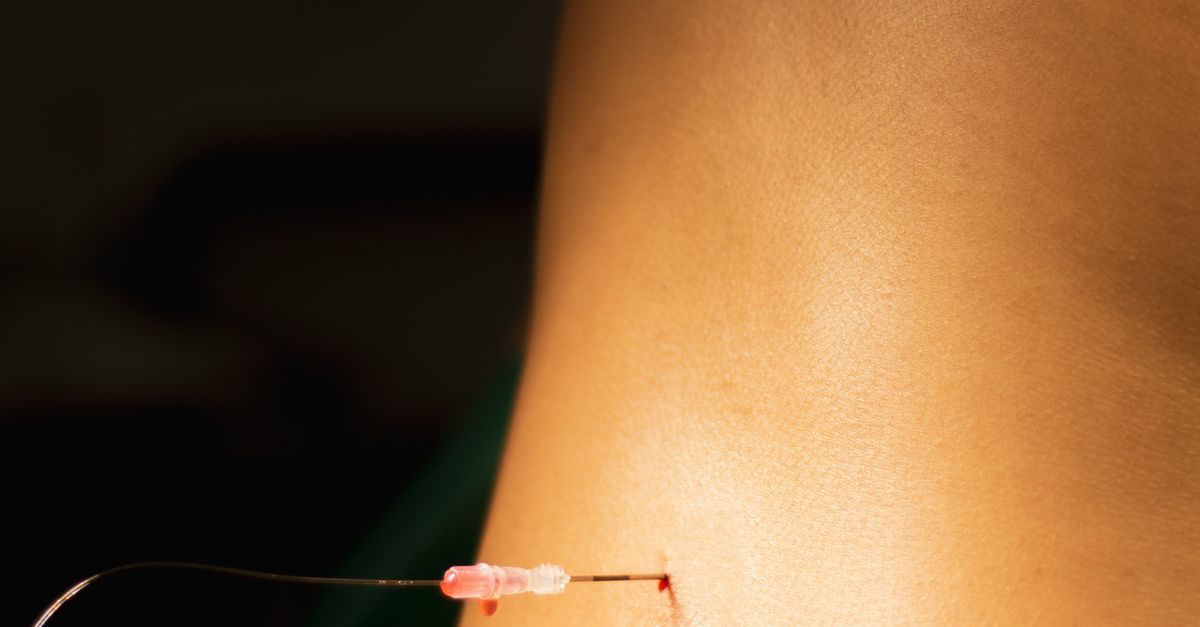
Prolotherapy (프롤로 주사, 증식치료) has been used for decades to treat chronic musculoskeletal pain. The idea is that a mildly irritating solution causes a brief local inflammatory response, which may stimulate the body to strengthen and repair weakened ligaments and tendons. The most common solution is dextrose at a higher concentration than in the blood, often mixed with local anesthetic. It is widely offered at pain clinics in Korea, frequently with ultrasound guidance.
Who is it for?
- Chronic pain from overstretched or weakened ligaments
- Persistent tendinopathy, such as tennis elbow or rotator cuff problems
- Knee osteoarthritis pain
- Some chronic low back and sacroiliac joint pain
It is usually considered after exercise therapy and simpler treatments have not been enough. It is not appropriate for acute injuries, infections or when a structural problem clearly needs surgery.
What happens at the clinic
- Assessment: history, exam and ultrasound to identify the painful structure.
- Planning: the number and sites of injections are decided.
- Injection: under sterile conditions and ultrasound guidance, the solution is injected at ligament or tendon attachments or into the joint.
- After the injection: a brief rest, then home with advice on activity and pain relief.
- Repeat sessions: usually every 2–4 weeks, reviewing progress each time.
Treatment outlook
Some randomised trials suggest dextrose prolotherapy can reduce pain in knee osteoarthritis and certain tendon problems compared with control injections or exercise alone, while other studies show smaller or no benefit. Results vary between individuals. Prolotherapy is generally combined with strengthening exercises. If there is no meaningful improvement after a few sessions, it is reasonable to stop and reconsider.
Risks and side effects
Expect pain, stiffness and swelling at injection sites for a few days, sometimes more than with other injections. Bruising and temporary flare-ups are common. Infection and nerve irritation are rare with good technique. Clinics may advise avoiding anti-inflammatory painkillers briefly, as they may dampen the intended response.
Choosing a clinic for prolotherapy in Seomyeon
- Ask what solution and concentration is used, and why.
- Confirm injections are ultrasound-guided to the right structures.
- Ask how many sessions they typically recommend and the criteria for stopping.
- Request a clear price per session and whether any part is insurance-covered.
- Ensure an exercise plan accompanies the injections.
Visitor tip
Because sessions are spaced weeks apart, prolotherapy suits residents better than short trips. Seomyeon, the Line 1 and Line 2 transfer station, is convenient for repeat visits.
Key facts
- Solution: usually hypertonic dextrose with local anesthetic
- Used for: chronic ligament laxity, tendinopathy, knee osteoarthritis, sacroiliac and low back pain
- Guidance: often ultrasound-guided
- Session time: about 15–30 minutes
- Course: commonly 3–6 sessions, 2–4 weeks apart
- Aftercare: soreness for a few days; avoid anti-inflammatory drugs if advised
- Evidence: some supportive trials, especially for knee osteoarthritis; overall mixed
Frequently asked questions
Does prolotherapy really work?
Evidence is mixed. Some trials show pain improvement for knee osteoarthritis and certain tendon conditions, while others show limited benefit. It may help selected patients, especially alongside exercise.
Is prolotherapy painful?
Injections can be uncomfortable, and soreness for a few days afterward is common. Local anesthetic is usually mixed into the solution to reduce discomfort during the procedure.
How many prolotherapy sessions are needed?
Commonly 3–6 sessions spaced 2–4 weeks apart, depending on the condition and response. Ask your doctor when they will judge whether it is working.
Is prolotherapy covered by insurance in Korea?
Prolotherapy is generally non-covered by National Health Insurance and paid per session. Prices vary, so request a full estimate for the planned course.
Prolotherapy vs PRP: what is the difference?
Prolotherapy uses an irritant solution such as dextrose, while PRP uses a concentrate of your own platelets. Both aim to stimulate healing; evidence and cost differ by condition.
Medical disclaimer: Seomyeon.Clinic is an independent information directory. Content is for general education and does not replace a consultation with a licensed physician. Suitability, risks, results and costs vary by person and clinic. In an emergency in Korea, call 119.