
Knee Arthroscopy in Seomyeon, Busan
Knee arthroscopy is keyhole surgery in which an orthopedic surgeon inserts a small camera and instruments through tiny incisions to diagnose and treat problems inside the knee, such as meniscus tears or loose cartilage. In Seomyeon, it usually follows an exam and MRI, takes about 30–90 minutes, and many patients walk with support within days.
Independent patient guide · Medically informative, not a substitute for a doctor's advice · Last reviewed:
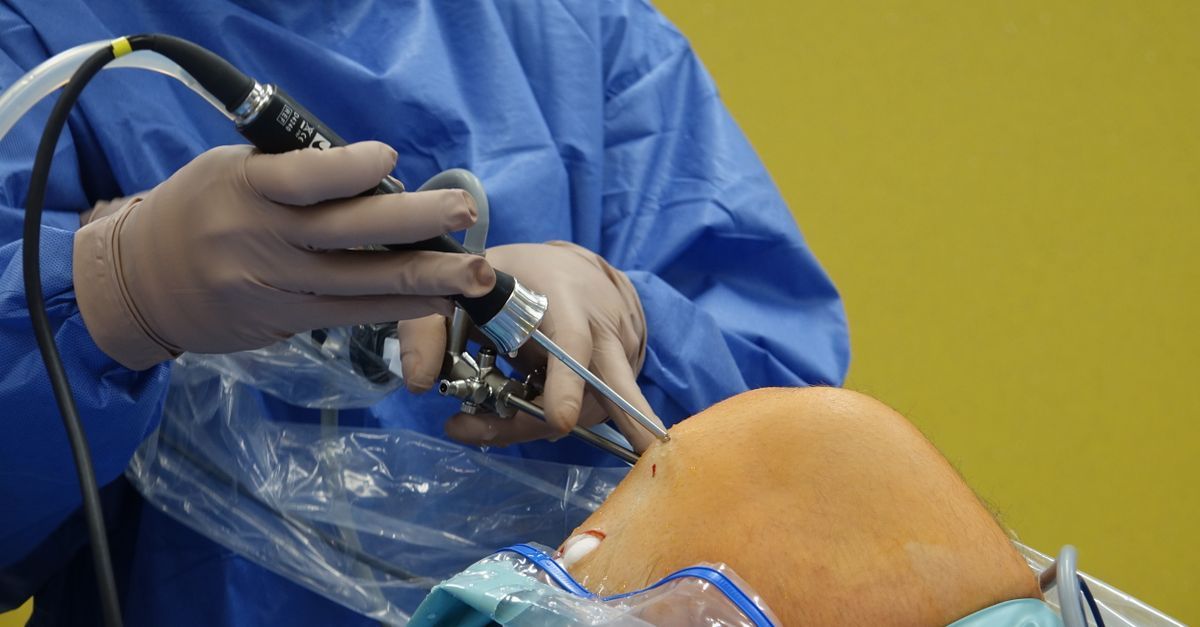
What is knee arthroscopy?
Knee arthroscopy (무릎 관절내시경) lets a surgeon look inside the joint through two or three small portals, each about 1 cm long. A pencil-thin camera sends images to a monitor while small instruments trim, repair or remove damaged tissue. Because the incisions are small, there is usually less pain and a quicker return to daily life than with open surgery.
Arthroscopy can be diagnostic (to confirm what MRI suggests) or therapeutic. Common procedures done this way include partial meniscectomy, meniscus repair, removal of loose bodies, cartilage smoothing and ACL reconstruction.
Who is it for?
- People with a mechanical problem such as locking, catching or giving way
- Confirmed meniscus or cartilage injuries that have not settled with rest and physiotherapy
- Athletes with ligament injuries needing reconstruction
Arthroscopic "clean-out" is generally not recommended for ordinary knee osteoarthritis without mechanical symptoms; exercise therapy and other treatments are usually tried first.
What happens at the clinic
- Consultation and exam: the orthopedic surgeon tests stability and range of motion.
- Imaging: X-ray and usually MRI to map the injury.
- Pre-op checks: blood tests, ECG and an anesthesia review.
- Surgery: portals are made, the joint is filled with fluid, and the problem is treated.
- Recovery room and ward: pain control, ice, and early guidance on walking with crutches.
Recovery and aftercare
Swelling and stiffness are normal for the first weeks. After a simple trim, many people walk comfortably within days. After a meniscus repair or reconstruction, weight-bearing is restricted for longer and a brace may be needed. A structured physiotherapy program is central to the result: quadriceps strength and full extension are early goals.
Risks and side effects
Arthroscopy is generally low-risk, but possible complications include infection, blood clots in the leg, joint stiffness, persistent swelling, numbness around the portals and, rarely, nerve or blood vessel injury. Tell the surgeon about blood thinners and any history of clots.
Choosing a clinic for knee arthroscopy in Seomyeon
- Confirm the surgeon is a board-certified orthopedic specialist (정형외과 전문의) who regularly performs knee arthroscopy.
- Ask to see your MRI with the surgeon and have them explain exactly what will be trimmed or repaired.
- Ask whether the plan may change during surgery (for example, repair versus removal of meniscus) and how that affects recovery.
- Check that in-house or nearby physiotherapy is available and how many sessions are expected.
- Ask whether an English-speaking coordinator can help with consent forms and discharge instructions.
Visiting from out of town
Plan to stay in Busan at least until stitch removal, and avoid long flights in the first days because of clot risk. Seomyeon is easy to reach on Busan Metro Lines 1 and 2, which helps when you are on crutches for follow-up visits.
Key facts
- Treats: meniscus tears, loose bodies, cartilage flaps, synovitis, some ligament problems
- Procedure time: usually 30–90 minutes
- Anesthesia: spinal or general anesthesia
- Hospital stay: same day to a few days, depending on the clinic and procedure
- Crutches: often a few days to several weeks
- Return to desk work: typically 1–2 weeks
- Follow-up: stitch removal around 10–14 days, then rehab visits
Frequently asked questions
How long does knee arthroscopy take?
Most procedures take 30–90 minutes. A simple meniscus trim is at the shorter end, while repairs or ligament reconstruction take longer. Add time for anesthesia, recovery room monitoring and discharge instructions.
Does knee arthroscopy hurt afterward?
Expect soreness, swelling and stiffness for several days. Pain is usually controlled with prescribed medicine, ice and elevation. Discomfort that steadily worsens, fever or calf pain should be reported to the clinic promptly.
Is knee arthroscopy covered by Korean national health insurance?
Medically necessary knee arthroscopy is generally covered by National Health Insurance for enrolled patients, with a co-payment. Visitors without NHI usually pay as self-pay patients, so ask for a written estimate and check your travel insurance.
When can I fly after knee arthroscopy in Busan?
Many surgeons advise waiting at least until the first follow-up and stitch check. Long flights raise clot risk, so ask about compression stockings, moving regularly and whether clot prevention medicine is needed.
Arthroscopy vs open knee surgery: what is the difference?
Arthroscopy uses small portals and a camera, so recovery from the incisions is usually faster. Open surgery is needed for larger reconstructions or joint replacement. The right choice depends on the problem, not the technique alone.
Medical disclaimer: Seomyeon.Clinic is an independent information directory. Content is for general education and does not replace a consultation with a licensed physician. Suitability, risks, results and costs vary by person and clinic. In an emergency in Korea, call 119.