
Jaw (TMJ) Pain Treatment in Seomyeon, Busan
Jaw (TMJ) pain treatment relieves pain in the jaw joint and chewing muscles, often with clicking, limited opening or headaches. In Seomyeon, both dental clinics and pain clinics treat it: pain medicine doctors focus on muscle and nerve pain with medication, trigger point or botulinum toxin injections and exercises, often alongside a dentist-made splint. Most cases improve with conservative care.
Independent patient guide · Medically informative, not a substitute for a doctor's advice · Last reviewed:
What is TMJ pain?
The temporomandibular joints (TMJ, 턱관절) connect the lower jaw to the skull just in front of the ears. Temporomandibular disorders include pain in the chewing muscles (myofascial pain), problems with the disc inside the joint (causing clicking or locking) and joint arthritis. Clenching or grinding teeth, often during sleep or stress, is a common contributor. Long hours of focused screen work and forward head posture can also increase jaw and neck muscle tension.
Symptoms and when to see a doctor
- Aching in the jaw, cheek or temple, worse with chewing
- Clicking or popping when opening the mouth
- Difficulty opening wide or the jaw catching
- Ear-area pain or fullness without an ear infection
- Morning jaw stiffness or tension headaches
See a doctor or dentist if the jaw locks open or closed, if pain follows an injury, or if there is swelling, fever or numbness of the face.
What happens at the clinic
- History: clenching, grinding, stress, diet and headache patterns.
- Examination: jaw opening, joint sounds, tender chewing muscles and neck posture.
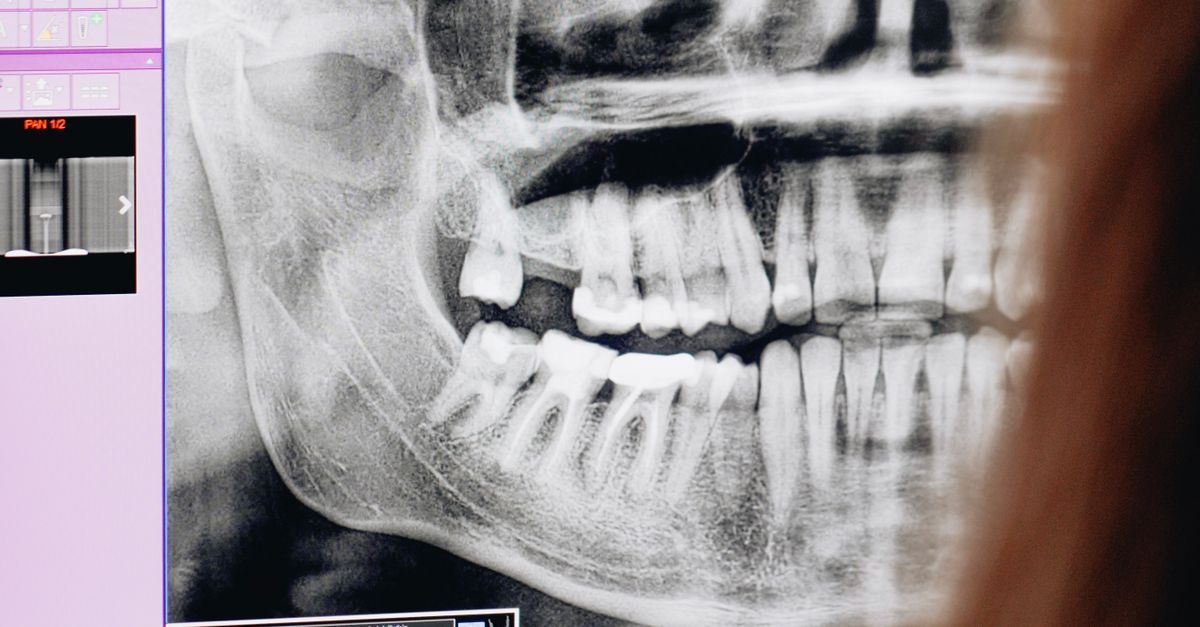
- Imaging if needed: panoramic X-ray, CT or MRI for joint problems, often arranged through dental or oral surgery clinics.
- Self-care plan: soft diet, avoiding gum and wide yawning, heat and gentle jaw exercises.
- Pain clinic treatments: short-term medication, trigger point injections into the masseter or temporalis, or botulinum toxin for persistent muscle pain and clenching.
- Dental referral: for an occlusal splint if grinding is significant.
Treatment outlook
Most TMJ problems are self-limiting or improve with conservative care over weeks to months. Combining jaw rest, stress management and posture work with targeted treatment tends to work best. Botulinum toxin may help some people with muscle-related pain, though evidence is mixed and effects are temporary. Surgery is rarely needed.
Risks and side effects
Injections may cause temporary soreness or bruising. Botulinum toxin can occasionally cause chewing weakness or changes in facial contour. Irreversible dental treatments, such as grinding teeth to change the bite, are generally not recommended as first-line care.
Choosing a clinic for TMJ pain in Seomyeon
- Ask whether your pain is mainly muscular, joint-related or both.
- Look for coordination between pain medicine and dental or oral surgery specialists.
- Ask whether injections are diagnostic, therapeutic or both, and how often they repeat.
- Prefer reversible treatments first, such as exercises and splints.
- Ask for a home exercise and habit plan you can follow.
Local note
Seomyeon has many dental and pain clinics within walking distance of each other, which makes combined care practical. It is easy to reach by Metro Line 1 or 2.
Key facts
- Condition: temporomandibular disorders (턱관절 장애)
- Symptoms: jaw pain, clicking, limited opening, ear-area pain, temple headaches
- Common contributors: clenching, grinding, stress, posture
- First-line: soft diet, jaw rest, heat, gentle exercises
- Pain clinic options: medication, trigger point injections, botulinum toxin for muscle pain
- Dental options: occlusal splint (night guard)
- Outlook: most improve within weeks to months without surgery
Frequently asked questions
What causes TMJ pain?
Common contributors include clenching or grinding, stress, chewing habits, posture and sometimes joint changes. Often several factors combine rather than a single cause.
Is jaw clicking a problem?
Painless clicking is common and often needs no treatment. See a professional if clicking comes with pain, locking or limited opening.
Does Botox help TMJ pain?
Botulinum toxin may reduce muscle-related jaw pain and clenching for some people, but evidence is mixed and effects last a few months. It is usually considered after simpler measures.
Should I see a dentist or a pain clinic for TMJ?
Both can help. Dentists assess the bite and make splints; pain clinics manage muscle and nerve pain with medicines and injections. Combined care is often best.
Is TMJ pain treatment covered by insurance in Korea?
Consultations, some imaging and medicines are covered by National Health Insurance for enrolled patients. Splints may be partly covered under criteria, and botulinum toxin for jaw pain is usually self-pay.
Medical disclaimer: Seomyeon.Clinic is an independent information directory. Content is for general education and does not replace a consultation with a licensed physician. Suitability, risks, results and costs vary by person and clinic. In an emergency in Korea, call 119.