
TMJ (Jaw Joint) Treatment in Seomyeon, Busan
TMJ (jaw joint) treatment addresses temporomandibular disorders (턱관절 장애) that cause jaw pain, clicking, limited opening or locking. At Seomyeon dental clinics, care usually begins with an exam and imaging, then conservative treatment such as an occlusal splint, medication, physiotherapy and habit changes. Most people improve over several weeks to a few months without surgery.
Independent patient guide · Medically informative, not a substitute for a doctor's advice · Last reviewed:
What is TMJ disorder?
The temporomandibular joints connect the lower jaw to the skull just in front of the ears. Temporomandibular disorders (TMD) include problems with the joint itself, such as a displaced disc, and problems with the surrounding chewing muscles. Stress-related clenching, night-time grinding, injury, arthritis and bite issues can all contribute. Many cases are mild and improve with simple measures.
Symptoms and when to see a doctor
- Pain in the jaw, temples or around the ear, especially when chewing
- Clicking or popping when opening the mouth
- Limited opening, or the jaw catching or locking
- Morning jaw tiredness or headaches from grinding
- Worn or cracked teeth
A sudden inability to close the mouth, swelling, fever or a jaw injury needs prompt attention.
What happens at the clinic
- History: pain pattern, habits, sleep, stress and injuries are discussed.
- Examination: the dentist measures mouth opening, listens for joint sounds and presses on jaw muscles.
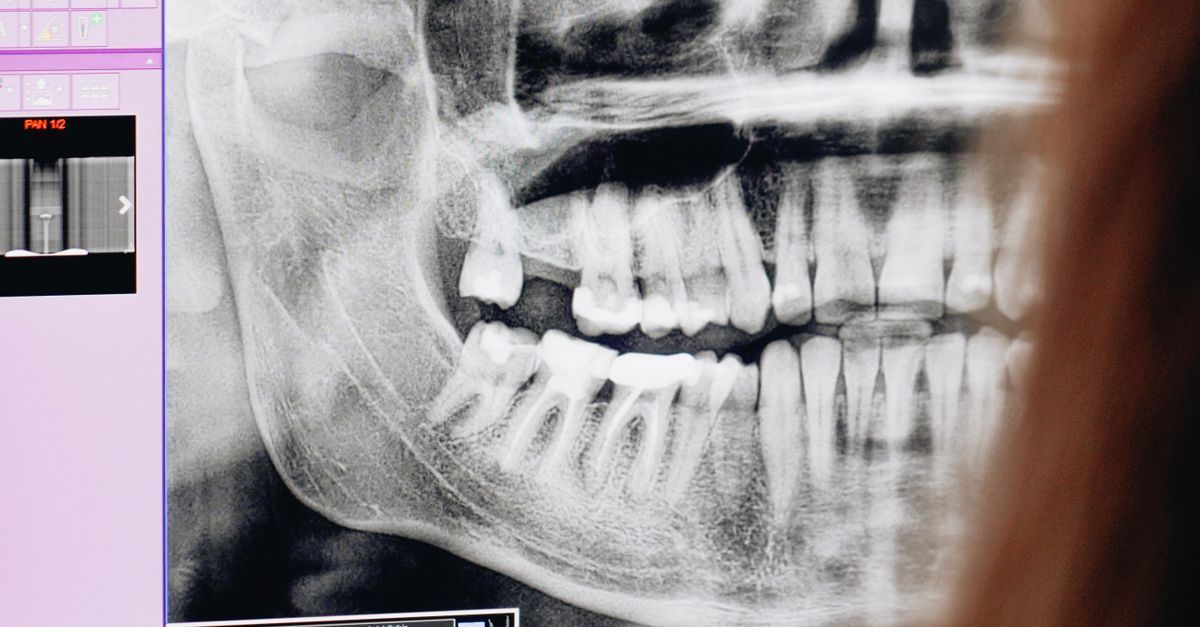
- Imaging: a panoramic X-ray or CT may check the bone; MRI is used to assess the disc if needed.
- Conservative treatment: a custom occlusal splint, short courses of medication, heat or cold, jaw exercises and physiotherapy.
- Additional options: for persistent muscle pain, trigger point injections or botulinum toxin for masseter overactivity; for joint problems, joint injections or arthrocentesis in selected cases.
Treatment outlook
Many people improve within weeks to a few months with conservative care. Clicking without pain often needs no treatment. Ongoing management of clenching, stress and sleep is key to preventing flare-ups. Irreversible treatments such as major bite adjustment or surgery are reserved for specific cases.
Risks and side effects
Splints occasionally cause temporary bite changes if worn incorrectly. Injections can cause bruising or temporary chewing weakness. Ask about the evidence and goals for any irreversible procedure before agreeing to it.
Choosing a clinic for TMJ treatment in Seomyeon
- Ask whether the dentist has a specific interest in TMD or orofacial pain, or works with an oral medicine specialist.
- Ask whether treatment starts with reversible options before any bite grinding or surgery.
- Ask whether the splint is custom-made and how it will be adjusted.
- Check whether MRI can be arranged if a disc problem is suspected.
- Ask for clear jaw exercises and self-care instructions in English.
Local note
Splint fitting usually needs two or three visits. Seomyeon's dental, pain medicine and Korean medicine clinics sit close together, which helps if you are referred for physiotherapy or injections.
Key facts
- Treats: jaw joint pain, clicking, locking, muscle pain from clenching or grinding
- First-line care: self-care, splint, anti-inflammatory medication, physiotherapy
- Other options: trigger point or Botox injections, joint injections, arthrocentesis
- Imaging: panoramic X-ray; CT or MRI if needed
- Splint: custom-made, usually worn at night
- Typical course: several weeks to a few months
Frequently asked questions
Does TMJ disorder go away on its own?
Many mild cases improve with rest, soft food, avoiding wide yawning and reducing clenching. If pain persists more than a few weeks or opening is limited, see a dentist.
Does a splint really help jaw pain?
Many people find a custom night splint reduces muscle pain and protects teeth from grinding. It works best combined with habit changes, exercises and stress management.
Is jaw clicking a problem?
Clicking without pain or locking is common and often needs no treatment. Painful clicking, catching or reduced opening should be assessed.
Can Botox help with TMJ or teeth grinding?
Botulinum toxin can relax overactive masseter muscles and may reduce clenching-related pain in some people. It is not a cure for joint problems and effects wear off after a few months.
Should I see a dentist or a doctor for jaw pain?
A dentist with an interest in TMD is a good starting point. Pain medicine, rehabilitation or ENT doctors may be involved if symptoms suggest other causes.
Medical disclaimer: Seomyeon.Clinic is an independent information directory. Content is for general education and does not replace a consultation with a licensed physician. Suitability, risks, results and costs vary by person and clinic. In an emergency in Korea, call 119.