
Cold & Flu Treatment in Seomyeon, Busan
Cold and flu treatment is the diagnosis and symptom care of viral respiratory infections. At an internal medicine clinic (내과) in Seomyeon, a visit usually takes 15–40 minutes: the doctor checks your throat, chest and temperature, may run a 15-minute rapid flu swab, and prescribes symptom medicine or an antiviral if flu is confirmed early. Most colds settle within 7–10 days.
Independent patient guide · Medically informative, not a substitute for a doctor's advice · Last reviewed:
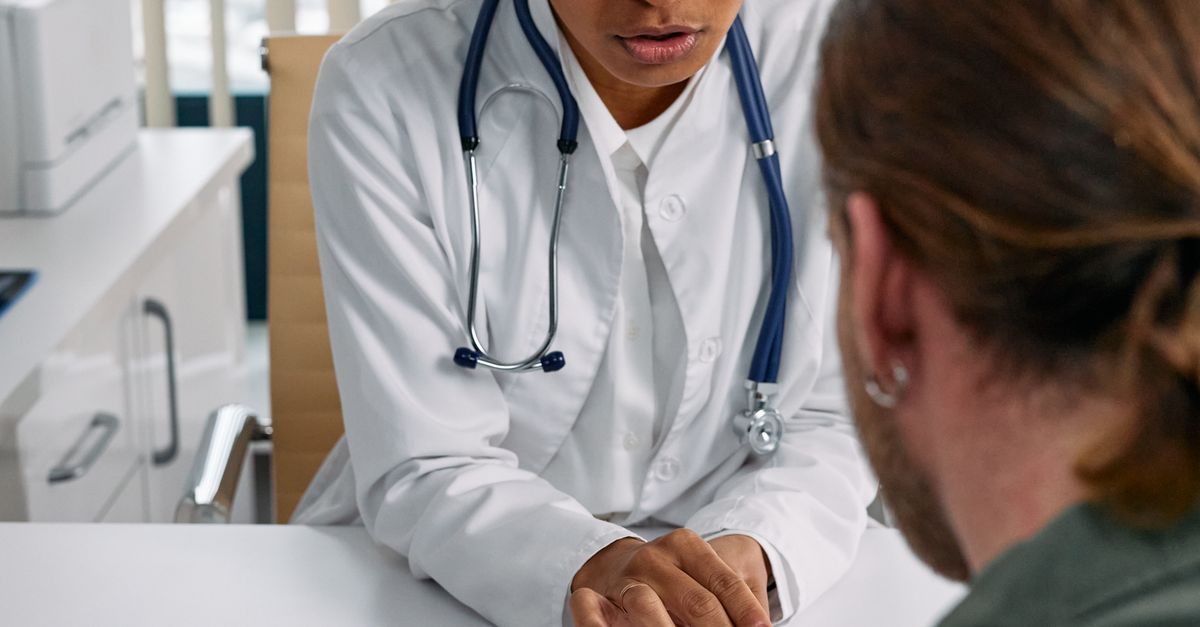
What is cold and flu treatment?
Colds and influenza are both viral infections of the airways, but they behave differently. A cold usually starts gradually with a runny nose, sneezing and a scratchy throat. Flu tends to hit suddenly with high fever, chills, muscle aches, headache and exhaustion. Treatment focuses on confirming which one you have, easing symptoms, and using antiviral medicine when flu is caught early enough for it to help.
Symptoms and when to see a doctor
Many colds can be managed at home, but a clinic visit is sensible if you have:
- Fever of 38°C or higher, especially with body aches during flu season
- Symptoms lasting more than 10 days, or improving and then getting worse
- A chronic condition such as asthma, diabetes, heart disease or pregnancy
- Ear pain, sinus pain or a cough producing thick or bloody sputum
Call 119 or go to an emergency room for shortness of breath, chest pain, confusion, bluish lips, or a fever that will not come down.
What happens at the clinic
- Registration: you show your ID or passport and, if enrolled, your NHI details; a nurse takes your temperature.
- Examination: the doctor asks about symptoms and timing, then checks your throat, ears and lungs.
- Rapid test: if flu is likely, a nasal swab gives a result in about 15 minutes. A COVID-19 test may be offered at the same time.
- Prescription: you usually receive a printed prescription to take to a nearby pharmacy (약국). Korean clinics often prescribe several days of combined symptom medicines.
- Optional extras: some clinics offer an injection or IV fluids for fever or dehydration; ask whether it is really needed.
Recovery and aftercare
Rest, fluids and fever control do most of the work. If you were prescribed an antiviral such as oseltamivir, take the full course. Stay home while feverish to avoid spreading the infection, and return to the clinic if you are not improving after a few days or if new symptoms appear.
Risks and side effects
Antivirals can cause nausea or, rarely, behavioural changes in young people. Combined cold medicines may cause drowsiness, and some contain decongestants that are not ideal for people with high blood pressure. Antibiotics do not treat viruses and add side effects without benefit, so it is reasonable to ask why one is being prescribed. Flu itself can lead to pneumonia, particularly in older adults.
Choosing a clinic for cold and flu care in Seomyeon
- Look for an internal medicine (내과) or family medicine clinic with a board-certified specialist (전문의).
- Check that rapid flu and COVID-19 testing are done on site so you get answers in one visit.
- Ask for a list of your medicines in English, including active ingredients, if you take other drugs.
- Check opening hours, since evening and Saturday sessions are common but vary by clinic.
- If you are a visitor, confirm the clinic accepts self-paying patients without NHI.
Visiting Busan with a cold?
Small walk-in clinics are spread throughout the blocks around Seomyeon Station, where Metro Lines 1 and 2 meet. Bring your passport and a list of any regular medicines; the pharmacist next door can usually explain dosing in simple English.
Key facts
- Treats: common cold, influenza A and B, viral sore throat and cough
- Visit length: usually 15–40 minutes, walk-in common
- Testing: rapid influenza antigen swab, results in about 15 minutes
- Antivirals: most effective when started within 48 hours of symptoms
- Typical recovery: cold 7–10 days; flu often 1–2 weeks, with fatigue lingering
- Antibiotics: only if a bacterial infection is suspected
- Typical NHI coverage: consultation and standard prescriptions are covered for enrollees
Frequently asked questions
Do I need an appointment for a cold in Seomyeon?
Usually not. Most internal medicine and family medicine clinics in Seomyeon accept walk-in patients. Waiting times are longest on Monday mornings and just after lunch, so arriving early or in mid-afternoon often helps.
How long does a rapid flu test take?
A rapid influenza antigen test uses a nasal swab and gives a result in about 15 minutes. Testing too early, within the first few hours of fever, can give a false negative, so the doctor may treat based on symptoms.
Will a Korean clinic give me antibiotics for a cold?
Antibiotics only help bacterial infections, not colds or flu. Doctors may prescribe them if they suspect a bacterial complication such as sinusitis or tonsillitis. You can ask why one is being prescribed and whether it is necessary.
Is cold and flu treatment covered by insurance in Korea?
For people enrolled in Korea's National Health Insurance, consultations and standard prescriptions are covered, with a modest co-payment. Visitors without NHI pay out of pocket and can usually claim from their travel insurance with an itemised receipt.
Cold vs flu: how can I tell the difference?
Colds usually begin slowly with a runny nose and sore throat and stay fairly mild. Flu often starts suddenly with high fever, chills, body aches and marked tiredness. A rapid test at the clinic is the easiest way to confirm.
Medical disclaimer: Seomyeon.Clinic is an independent information directory. Content is for general education and does not replace a consultation with a licensed physician. Suitability, risks, results and costs vary by person and clinic. In an emergency in Korea, call 119.