
COVID-19 Testing & Care in Seomyeon, Busan
COVID-19 testing and care covers diagnosing SARS-CoV-2 infection and treating its symptoms. At an internal medicine clinic in Seomyeon, a visit typically involves a nasal swab rapid antigen test with results in about 15 minutes, an examination, and a prescription for symptom relief. Higher-risk patients may be assessed for oral antiviral treatment. Most people recover within one to two weeks.
Independent patient guide · Medically informative, not a substitute for a doctor's advice · Last reviewed:
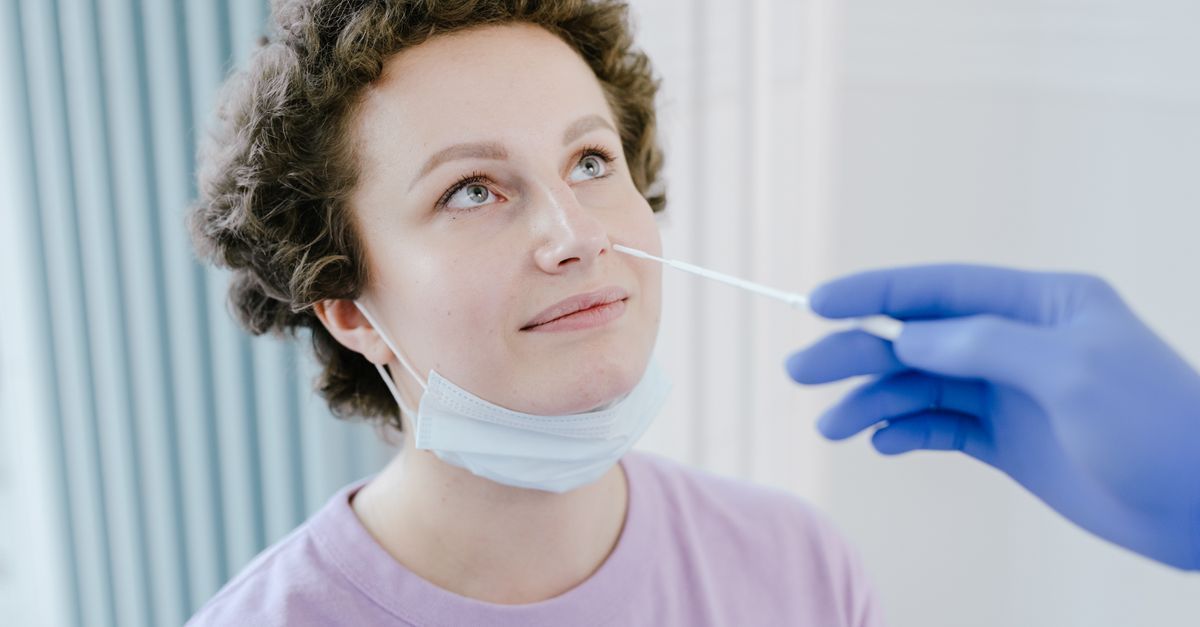
What is COVID-19 testing and care?
COVID-19 is a respiratory infection caused by the SARS-CoV-2 virus. It now behaves much like other seasonal respiratory viruses for most healthy, vaccinated people, but it can still cause serious illness in older adults and those with weakened immunity or chronic disease. Clinic care focuses on confirming the diagnosis, deciding whether antiviral treatment is worthwhile, and managing symptoms safely.
Symptoms and when to see a doctor
Common symptoms include sore throat, fever, cough, runny nose, headache, muscle aches, tiredness and sometimes loss of taste or smell. See a doctor promptly if you:
- Are 60 or older, pregnant, or have diabetes, heart, lung, kidney disease or a weakened immune system
- Have a fever lasting more than three days
- Need a test result for work, travel or a medical procedure
- Have symptoms that are getting worse rather than better
Call 119 for difficulty breathing, persistent chest pain or pressure, confusion, or bluish lips or face.
What happens at the clinic
- Separate waiting: some clinics ask patients with fever or cough to wait in a separate area or wear a mask.
- Swab test: a nasal or throat swab is taken for a rapid antigen test. PCR may be offered if a more sensitive or official result is needed.
- Examination: the doctor listens to your chest and may check oxygen levels with a finger sensor.
- Treatment plan: you receive symptom medicines, and, if you are high-risk, the doctor discusses whether an oral antiviral is appropriate given your other medicines.
- Advice: you get guidance on rest, staying away from others while unwell, and warning signs.
Recovery and aftercare
Rest, plenty of fluids and paracetamol (acetaminophen) for fever are the basics. Stay home while you have a fever and wear a mask around others for several days after. Follow current public health guidance, which can change. If cough, breathlessness, brain fog or fatigue last beyond four weeks, return for assessment, as these may need further tests.
Risks and side effects
Complications can include pneumonia, blood clots and worsening of existing heart or lung conditions. Oral antivirals can interact with common drugs such as some statins, blood thinners and heart medicines, so bring a full medication list. Some antivirals cause a temporary bitter taste or stomach upset.
Choosing a clinic for COVID-19 care in Seomyeon
- Check whether the clinic offers both rapid antigen and PCR testing, and how quickly PCR results arrive.
- Ask whether it can test for flu in the same visit, since symptoms overlap.
- If you are high-risk, confirm the doctor can assess you for antiviral treatment and check drug interactions.
- Ask for an English-language result or certificate if you need one for travel or work.
- Look for a clinic with a separate waiting arrangement for patients with fever.
For travellers in Busan
If you fall ill on a trip, a clinic near the Seomyeon Line 1–2 interchange is often more convenient than a hospital emergency room for mild symptoms. Keep your passport and travel insurance details with you.
Key facts
- Tests: rapid antigen (about 15 minutes) or PCR (usually same day to next day)
- Visit length: 20–40 minutes including the test
- Antiviral treatment: considered for older or high-risk patients, ideally within 5 days of symptoms
- Typical recovery: 1–2 weeks for mild illness; cough and fatigue can last longer
- Combined testing: many clinics can test for flu at the same time
- Follow-up: if symptoms worsen or persist beyond a few weeks
Frequently asked questions
Rapid antigen or PCR: which COVID test should I get?
A rapid antigen test is quick and fine for most people with symptoms. PCR is more sensitive and may be needed if the rapid test is negative but suspicion is high, or if an employer, airline or hospital requests an official result.
Can I get COVID-19 antiviral medicine in Seomyeon?
Internal medicine clinics can assess whether you qualify for an oral antiviral, usually if you are older or have risk factors. It works best when started within five days of symptoms, and the doctor must check your other medicines for interactions.
Can I get tested for COVID and flu at the same time?
Many clinics offer combined testing from a single visit, and some use a single swab that checks both. Ask at reception, as the symptoms of the two infections overlap heavily.
Do I need to isolate if I test positive in Korea?
Rules have changed several times since the pandemic began. Follow current public health guidance and your doctor's advice; at a minimum, stay home while feverish and avoid contact with vulnerable people.
Can I fly home if I have COVID-19?
Airlines and destinations set their own rules, which change. Medically, it is best to wait until your fever has gone and you feel well enough to travel. Ask the clinic for a note if your airline or insurer needs one.
Medical disclaimer: Seomyeon.Clinic is an independent information directory. Content is for general education and does not replace a consultation with a licensed physician. Suitability, risks, results and costs vary by person and clinic. In an emergency in Korea, call 119.