
Fecal Incontinence Treatment in Seomyeon, Busan
Fecal incontinence treatment helps people who leak stool or gas or cannot reach the toilet in time (변실금). Causes include sphincter injury from childbirth or surgery, nerve damage, diarrhoea and constipation with overflow. In Seomyeon, Busan, colorectal clinics typically assess with an exam and anal tests, then start with diet, stool-firming medication and pelvic floor biofeedback; most people improve without surgery.
Independent patient guide · Medically informative, not a substitute for a doctor's advice · Last reviewed:
What is fecal incontinence?
Fecal incontinence is the loss of control over stool or gas. It ranges from occasional staining to complete loss of control. Continence depends on the anal sphincters, pelvic floor muscles, nerve signals, rectal capacity and stool consistency, so problems in any of these can contribute. It is more common than many realise and often goes unreported because of embarrassment.
Who is it for?
- Women with sphincter injury from vaginal childbirth, sometimes appearing years later
- People after anal surgery for fistulas, fissures or hemorrhoids
- People with chronic diarrhoea, irritable bowel syndrome or inflammatory bowel disease
- Older adults with constipation and overflow leakage
- People with diabetes, spinal problems or neurological conditions
Sudden new incontinence with back pain, leg weakness or numbness in the saddle area needs emergency assessment.
What happens at the clinic
- History and diary: frequency, stool type, urgency, diet and childbirth or surgical history.
- Examination: inspection, sensation and sphincter squeeze during a digital exam.
- Anal manometry: a thin catheter measures sphincter pressure and rectal sensation.
- Endoanal ultrasound: shows sphincter muscle defects.
- Colonoscopy: if diarrhoea or bleeding suggests bowel disease.
- Plan: tailored to the cause, usually starting conservatively.
Treatment outlook
Firming loose stools is often the most effective first step, using soluble fibre and anti-diarrhoeal medication such as loperamide where appropriate. Treating constipation prevents overflow leakage. Pelvic floor exercises and biofeedback therapy improve muscle strength and coordination. Scheduled toilet visits after meals help. If these fail, sacral nerve stimulation, sphincter repair (sphincteroplasty) for defined muscle defects or injectable bulking agents are options. Pads and skin barrier creams protect skin meanwhile.
Risks and side effects
Anti-diarrhoeal medicines can cause constipation if overused. Surgical options carry infection and failure risks, and results of sphincter repair can decline over time. Skin irritation from leakage should be treated promptly.
Choosing a clinic for fecal incontinence in Seomyeon
- Ask whether anal manometry and endoanal ultrasound are available.
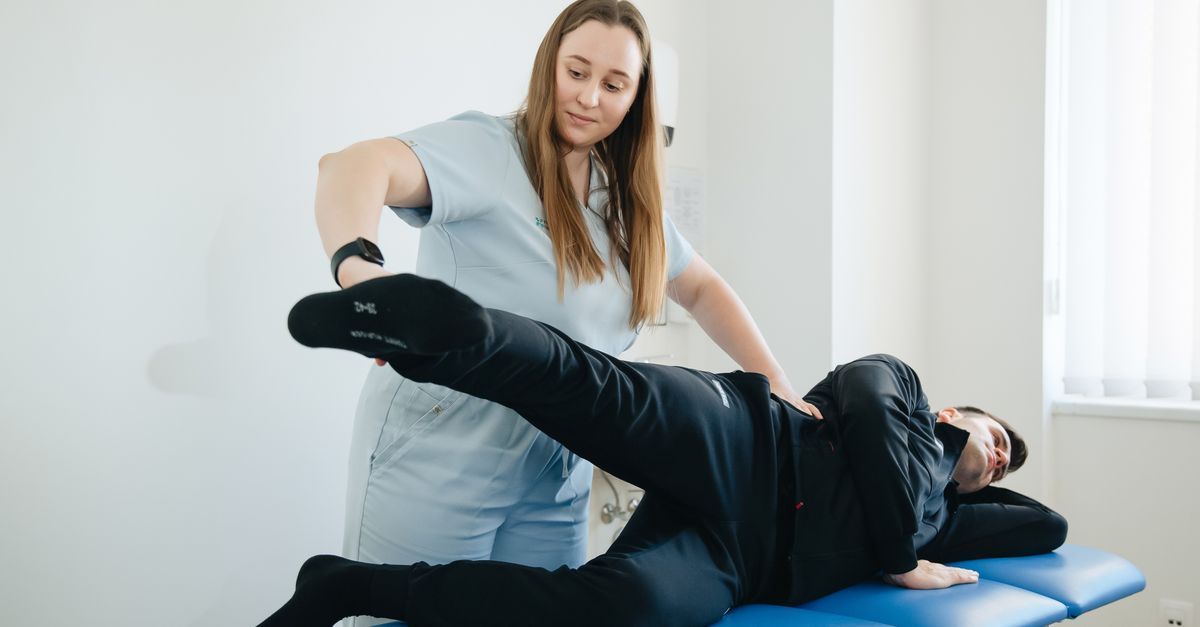
- Ask whether biofeedback or pelvic floor physiotherapy is offered on-site or by referral.
- Ask the surgeon to explain which advanced options suit your specific cause.
- Ask for a bowel diary template to track progress.
- Look for a clinic where staff discuss the problem respectfully and privately.
Getting there
Biofeedback usually involves several sessions. Seomyeon's central position, served by Lines 1 and 2, helps make regular appointments manageable.
Key facts
- Types: urge (cannot hold on), passive (unaware leakage), soiling
- Assessment: history, bowel diary, exam, anal manometry, endoanal ultrasound
- First-line: fibre adjustment, anti-diarrhoeal medication, pelvic floor exercises, biofeedback
- Advanced options: sacral nerve stimulation, sphincter repair, bulking agents
- Visit time: about 30–45 minutes for initial assessment
- Anesthesia: none for most tests
- Outlook: many people improve substantially with conservative care
Frequently asked questions
Is fecal incontinence common?
Yes, it is more common than many people realise, especially among older adults and women after childbirth. Many do not seek help because of embarrassment, but effective treatment exists.
Can fecal incontinence be cured?
Many people improve substantially or become fully continent with diet changes, medication and pelvic floor training. Others benefit from nerve stimulation or surgery. Outcomes depend on the cause.
What is biofeedback therapy?
Biofeedback uses sensors to show your pelvic floor and sphincter muscle activity on a screen, helping you learn to strengthen and coordinate them. It usually requires several sessions.
Can childbirth cause fecal incontinence years later?
Yes. Sphincter injuries from childbirth may cause symptoms years later as muscles weaken with age or menopause. Endoanal ultrasound can identify old injuries.
Does diet affect bowel leakage?
Yes. Loose stools are much harder to control. Adjusting fibre, limiting caffeine, alcohol and artificial sweeteners, and identifying trigger foods often helps significantly.
Medical disclaimer: Seomyeon.Clinic is an independent information directory. Content is for general education and does not replace a consultation with a licensed physician. Suitability, risks, results and costs vary by person and clinic. In an emergency in Korea, call 119.