
Urinary Incontinence Treatment in Seomyeon, Busan
Urinary incontinence treatment reduces or stops unwanted urine leakage (요실금), whether it happens with coughing and exercise (stress), with sudden urges (urge) or both (mixed). In Seomyeon, Busan, urology and urogynecology clinics usually identify the type in one or two visits with a urine test, bladder scan and diary, then offer pelvic floor training, medication or a short sling procedure.
Independent patient guide · Medically informative, not a substitute for a doctor's advice · Last reviewed:
What is urinary incontinence?
Urinary incontinence means any involuntary leakage of urine. Stress incontinence occurs when pressure from coughing, sneezing, laughing or lifting overcomes a weakened urethral support, common after childbirth and with ageing. Urge incontinence happens with a sudden strong need to urinate, linked to overactive bladder. Mixed incontinence combines both. Overflow incontinence results from a bladder that does not empty properly, for example with prostate obstruction.
Who is it for?
- Women with leakage after pregnancy, vaginal birth or menopause
- Men with leakage after prostate surgery or with BPH
- Anyone who uses pads regularly or avoids exercise because of leaks
- People with urgency and leaks before reaching the toilet
Leakage is common but treatable, and many people wait years before seeking help. Sudden new incontinence with back pain, leg weakness or numbness needs urgent assessment.
What happens at the clinic
- Detailed history: when leaks happen, how often, pad use, fluid intake and medical history.
- Urine test and bladder scan: to exclude infection and incomplete emptying.
- Examination: a pelvic exam for women checks support and prolapse; a cough stress test may be done.
- Bladder diary: recorded over a few days to quantify the problem.
- Urodynamics: considered before surgery or when the picture is unclear.
- Plan: tailored to the type of incontinence.
Treatment outlook
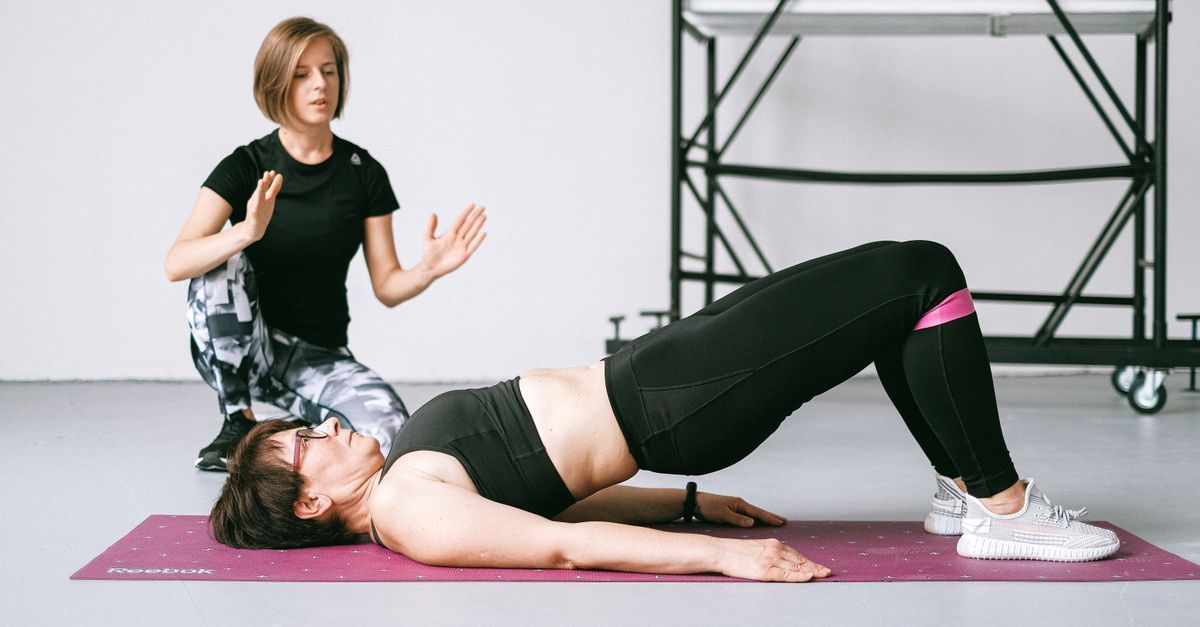
Supervised pelvic floor muscle training is effective for many people with stress or mixed incontinence, often within about three months. Weight loss, treating constipation and moderating caffeine help. Urge incontinence responds to bladder training and medication. For persistent stress incontinence in women, a midurethral sling placed through a small vaginal incision is a well-established operation. Men with leakage after prostate surgery may benefit from pelvic floor therapy, male slings or an artificial urinary sphincter.
Risks and side effects
Medications can cause dry mouth and constipation. Sling surgery may cause temporary difficulty emptying, new urgency, pain or, uncommonly, mesh-related complications such as exposure; discuss these thoroughly. Untreated incontinence can lead to skin irritation, infections, falls and social isolation.
Choosing a clinic for incontinence in Seomyeon
- Ask whether the clinic distinguishes stress from urge incontinence with proper testing before treatment.
- Check whether supervised pelvic floor therapy or biofeedback is available.
- If surgery is suggested, ask about sling type, the surgeon's experience and how complications are managed.
- Ask whether urodynamic testing is done in-house.
- Ask for a written plan with goals, such as fewer pads per day.
For residents and visitors
Pelvic floor programmes take weeks, so plan a clinic you can return to. Seomyeon sits on Lines 1 and 2 and is a central meeting point for regular sessions.
Key facts
- Types: stress, urge, mixed, overflow
- Assessment: history, urinalysis, residual urine scan, bladder diary, cough test, sometimes urodynamics
- First-line: pelvic floor muscle training for at least 3 months, lifestyle changes
- Medication: mainly for urge incontinence
- Surgery: midurethral sling for stress incontinence, usually about 30 minutes
- Downtime: a few days to 2 weeks after sling surgery
- Who: women after childbirth or menopause, men after prostate surgery, older adults
Frequently asked questions
Is urinary incontinence a normal part of ageing?
It becomes more common with age, but it is not something you simply have to accept. Most people improve significantly with treatment, often without surgery.
Do Kegel exercises really work?
Yes, especially for stress incontinence when done correctly and consistently for at least three months. Supervision by a physiotherapist or biofeedback helps ensure you are using the right muscles.
How long is recovery after sling surgery?
Many women go home the same day or the next and return to light activity within days. Heavy lifting, intense exercise and sex are usually avoided for several weeks.
Can men get incontinence treatment?
Yes. Men commonly experience leakage after prostate surgery or with an enlarged prostate. Pelvic floor training, medication and surgical options such as male slings can help.
What is the difference between stress and urge incontinence?
Stress incontinence happens with physical pressure such as coughing or lifting. Urge incontinence comes with a sudden strong need to urinate. Treatment differs, so identifying the type matters.
Medical disclaimer: Seomyeon.Clinic is an independent information directory. Content is for general education and does not replace a consultation with a licensed physician. Suitability, risks, results and costs vary by person and clinic. In an emergency in Korea, call 119.