
Infant Health Screening in Seomyeon, Busan
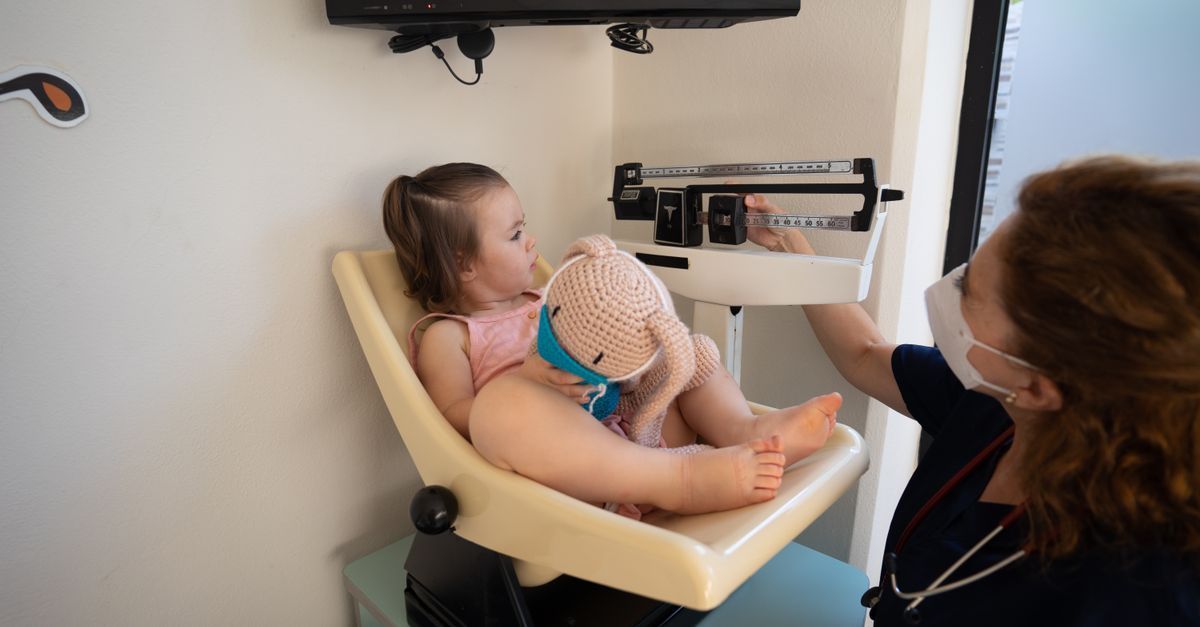
Infant health screening is a series of check-ups in the first year or two of life (영유아 검진) to monitor a baby's growth, feeding, development and early health. In Seomyeon, Busan, pediatric clinics typically spend about 20–30 minutes measuring weight, length and head size, examining hips, eyes, heart and skin, and discussing feeding, sleep and upcoming vaccines.
Independent patient guide · Medically informative, not a substitute for a doctor's advice · Last reviewed:
What is infant health screening?
Babies change rapidly, and regular checks help confirm they are growing and developing as expected. Each visit focuses on age-appropriate milestones: early weeks emphasise feeding, weight gain and jaundice; later months look at head control, rolling, sitting, babbling and social smiles; around the first birthday, standing, first words and fine motor skills. Korea runs a national infant and child screening programme at fixed ages for insured families, and pediatric clinics offer checks for all babies.
Who is it for?
- All newborns and infants, starting in the first weeks after birth
- Babies born early or small, who may need closer monitoring
- Families who recently moved to Busan and want to continue care
- Parents with questions about feeding, sleep or development
What happens at the clinic
- Growth measurements: weight, length and head circumference plotted on growth charts.
- Feeding review: breastfeeding, formula volumes, introduction of solids around the middle of the first year.
- Physical exam: fontanelle, eyes (including red reflex), heart sounds, hips for developmental dysplasia, genitals, skin and reflexes.
- Development: questions and simple observations of milestones.
- Vaccines: scheduled doses given if baby is well.
- Guidance: safe sleep, car seat safety, vitamin D and teething.
Treatment outlook
Most findings are normal variations. When something needs attention, such as a hip click, poor weight gain, a heart murmur or a squint, early detection allows simple treatment or monitoring. The pediatrician can refer to hospital specialists when needed.
Risks and warning signs
The visit itself is safe. Between visits, seek urgent care or call 119 if a baby under three months has a temperature of 38°C or higher, is unusually sleepy or floppy, refuses feeds, has breathing difficulty, a bulging soft spot, persistent vomiting or fewer wet nappies.
Choosing a clinic for infant screening in Seomyeon
- Choose a board-certified pediatrician with a calm space for babies, ideally separated from sick children.
- Ask whether the clinic stocks all routine and optional infant vaccines.
- Ask whether lactation or feeding advice is available.
- Check that the clinic can arrange hip ultrasound or eye referrals if needed.
- Ask whether records can be provided in English for use abroad.
Local note
Strollers are easiest on the metro outside rush hours. Seomyeon Station, where Lines 1 and 2 meet, has lifts for families travelling with prams.
Key facts
- Checks: weight, length, head circumference, feeding, development, hips, eyes, heart, skin
- Visit time: about 20–30 minutes
- Frequency: several visits in the first year, then less often
- Often combined with: scheduled vaccinations
- Tests: hip ultrasound or other tests only if indicated
- Bring: baby handbook or growth records, vaccination record, feeding notes
- Urgent signs: fever in babies under 3 months, poor feeding, lethargy
Frequently asked questions
When is my baby's first check-up?
Typically within the first few weeks after birth, then at regular intervals during the first year. Your pediatrician will set a schedule, often aligned with vaccinations.
Is my baby gaining enough weight?
Pediatricians plot weight on growth charts and look at the trend rather than single numbers. Steady growth along a curve is reassuring; crossing down percentiles may need review.
Does my baby need vitamin D?
Many pediatricians recommend vitamin D drops for breastfed babies. Ask your doctor about the right dose for your baby.
When should I worry about a fever in my baby?
A temperature of 38°C or higher in a baby under three months needs urgent medical assessment. Older babies with fever plus poor feeding, lethargy or breathing difficulty also need prompt care.
Can I continue my baby's check-ups from abroad in Busan?
Yes. Bring records of previous checks and vaccines. The pediatrician will align care with your baby's age and catch up any needed vaccines.
Medical disclaimer: Seomyeon.Clinic is an independent information directory. Content is for general education and does not replace a consultation with a licensed physician. Suitability, risks, results and costs vary by person and clinic. In an emergency in Korea, call 119.