
Newborn Jaundice Care in Seomyeon, Busan
Newborn jaundice care monitors and treats yellowing of a baby's skin and eyes caused by high bilirubin (신생아 황달), which is common in the first two weeks. In Seomyeon, Busan, pediatric clinics typically measure bilirubin with a quick skin meter or blood test, advise on feeding, and arrange phototherapy if levels are high. Most jaundice is mild and fades within one to two weeks.
Independent patient guide · Medically informative, not a substitute for a doctor's advice · Last reviewed:
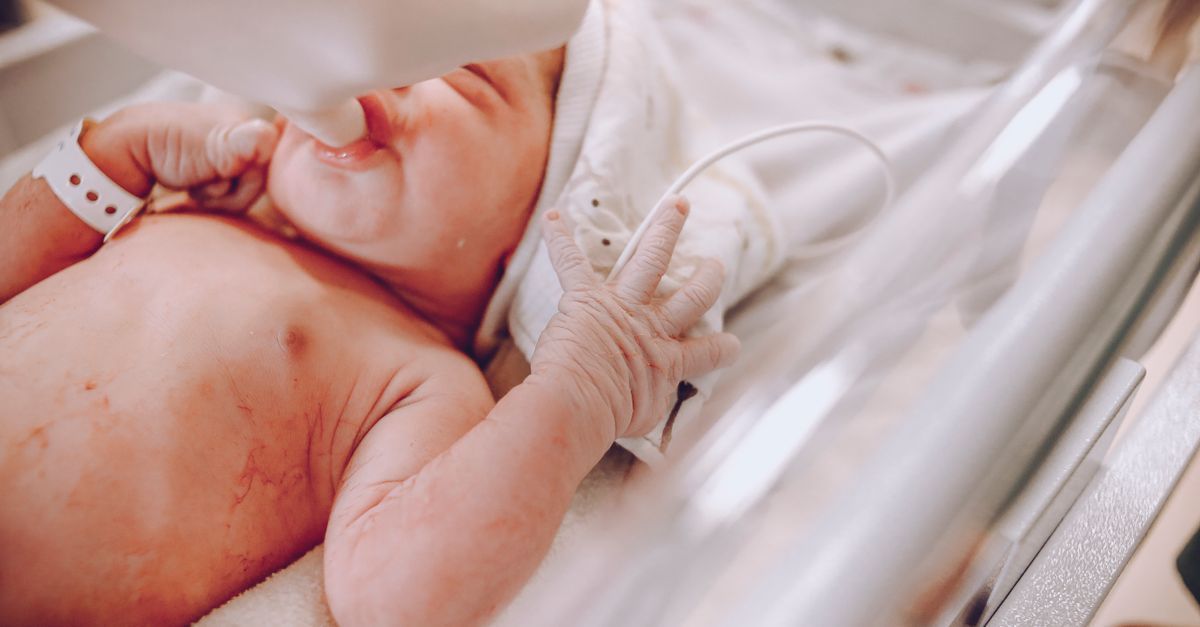
What is newborn jaundice?
Bilirubin is a yellow substance produced when red blood cells break down. Newborns have more red cells and an immature liver, so bilirubin can build up, turning the skin and whites of the eyes yellow. This physiological jaundice is usually harmless. Breastfed babies sometimes have longer-lasting mild jaundice, often linked to breast milk, which is generally safe. Less commonly, jaundice is caused by blood group incompatibility, infection, enzyme deficiencies or liver problems.
Signs and when to see a doctor
- Yellow colour of face, then chest, belly and legs
- Yellow whites of the eyes
- Sleepiness and reluctance to feed
- Fewer wet and dirty nappies than expected
Seek same-day care for jaundice in the first 24 hours of life, jaundice spreading to the legs and soles, a baby who is hard to wake or feeding poorly, or pale chalky stools or dark urine. Call 119 or go to an emergency department if your baby is floppy, has a high-pitched cry, arches the back or has a fever.
What happens at the clinic
- History: birth details, feeding, weight, nappies and when the yellow colour appeared.
- Examination: extent of jaundice, hydration and general condition.
- Bilirubin measurement: a painless skin meter on the forehead or chest; a heel-prick blood test if levels are high.
- Plot on a chart: levels are compared with age-in-hours thresholds.
- Plan: feeding support, repeat measurement, or phototherapy.
- Further tests: for prolonged jaundice, blood tests including conjugated bilirubin to check the liver.
Treatment outlook
Frequent feeding, about 8–12 times a day for breastfed babies, helps clear bilirubin through stools. Phototherapy uses blue light to break down bilirubin in the skin; babies lie under lights with eye protection, sometimes in hospital, for hours to a couple of days. Very high levels may need hospital treatment. Most babies respond quickly with no lasting effects.
Risks and side effects
Untreated very high bilirubin can, rarely, damage the brain (kernicterus), which is why monitoring matters. Phototherapy can cause temporary rash, loose stools or dehydration, managed with feeding. Sunlight through windows is not a safe substitute for phototherapy.
Choosing a clinic for newborn jaundice care in Seomyeon
- Ask whether the clinic has a transcutaneous bilirubin meter for quick checks.
- Ask whether phototherapy is available on-site or which hospital they refer to.
- Ask for breastfeeding support if feeding is a concern.
- Ask when to return for a repeat measurement.
- For jaundice beyond two weeks, make sure liver-related tests are done.
New-parent note
Travel with a newborn is easier outside peak hours; Seomyeon Station on Lines 1 and 2 has lifts for prams.
Key facts
- Common: affects many newborns, especially breastfed and premature babies
- Timing: usually appears day 2–4 and fades within 1–2 weeks (longer in some breastfed babies)
- Tests: transcutaneous bilirubin meter; blood test for confirmation
- Treatment: frequent feeding; phototherapy for higher levels
- Urgent: jaundice in the first 24 hours, very yellow baby, poor feeding, unusual sleepiness
- Prolonged jaundice: beyond about 2–3 weeks needs further tests
- Pale stools or dark urine: need prompt assessment
Frequently asked questions
Is newborn jaundice dangerous?
Most newborn jaundice is mild and harmless. Very high bilirubin levels can be dangerous, which is why babies are monitored and treated with phototherapy when needed.
Should I stop breastfeeding if my baby has jaundice?
Usually not. Frequent breastfeeding helps clear bilirubin. Your doctor will advise if any changes are needed, which is rare.
Does putting my baby in sunlight help jaundice?
Sunlight is not recommended as treatment because it is unreliable and can cause sunburn or overheating. Medical phototherapy is safe and effective.
How long does newborn jaundice last?
Typically one to two weeks. In some breastfed babies, mild jaundice can last longer. Jaundice beyond two to three weeks should be checked with blood tests.
Why do pale stools matter?
Pale, chalky or white stools with jaundice can indicate a liver or bile duct problem that needs urgent evaluation. Tell your doctor promptly.
Medical disclaimer: Seomyeon.Clinic is an independent information directory. Content is for general education and does not replace a consultation with a licensed physician. Suitability, risks, results and costs vary by person and clinic. In an emergency in Korea, call 119.