
Mole Removal in Seomyeon, Busan
Mole removal (점 빼기) is the removal of a benign skin mole (nevus) using CO2 laser vaporisation, shave removal or surgical excision with stitches. In Seomyeon, Busan, a dermatologist first checks each mole, often with dermoscopy. Small moles take a few minutes under numbing cream or local anesthetic; laser sites heal in about 1–2 weeks, and suspicious moles are excised and sent for biopsy.
Independent patient guide · Medically informative, not a substitute for a doctor's advice · Last reviewed:
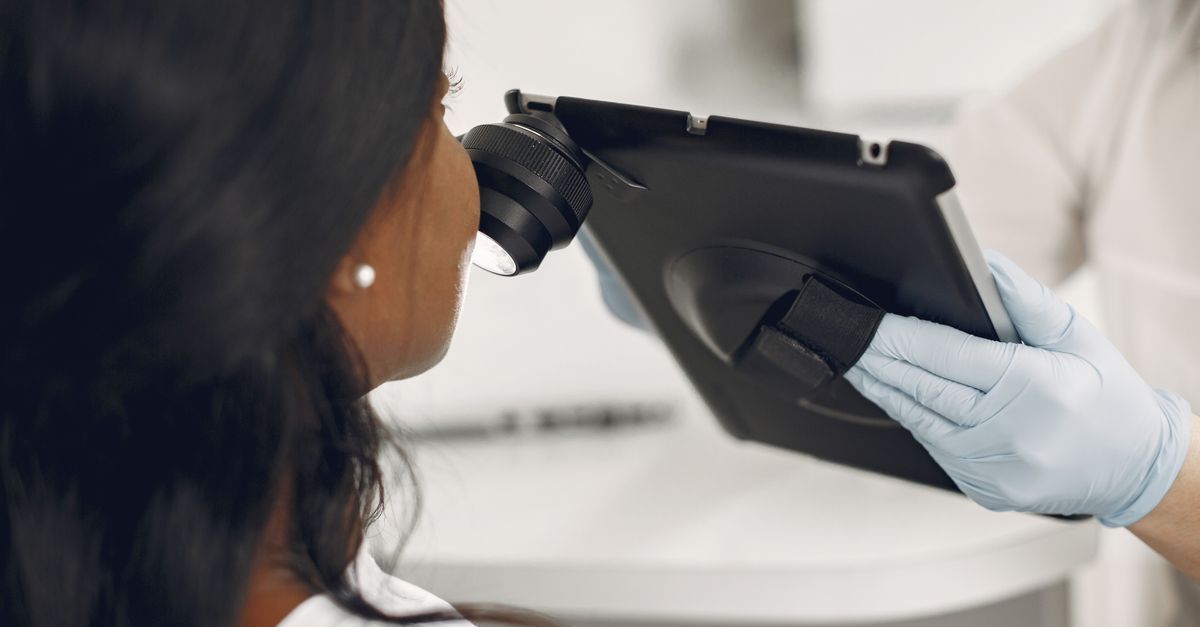
What is mole removal?
Moles are clusters of pigment cells. Most are harmless, and people remove them for appearance, irritation from clothing or shaving, or medical concern. Korean dermatology clinics commonly offer quick laser removal (점 빼기) for small, flat or slightly raised benign moles. Larger, deeper or suspicious moles are better removed by excision so the whole lesion can be examined under a microscope.
Symptoms and when to see a doctor
Use the ABCDE guide and see a dermatologist promptly if a mole shows:
- Asymmetry: two halves look different
- Border irregularity: blurred or notched edges
- Colour variation: several shades or black, blue or red areas
- Diameter larger than about 6 mm, or growing
- Evolving: changing in size, shape, colour, or bleeding and itching
In East Asian people, melanoma often appears on the palms, soles and under nails, so new dark marks there deserve attention.
What happens at the clinic
- Examination: the dermatologist checks each mole, ideally with a dermatoscope.
- Method choice: laser for small benign moles; excision for larger, deep or uncertain ones.
- Numbing: anesthetic cream or a small injection.
- Removal: laser vaporises the pigment cells layer by layer, or the mole is cut out and stitched.
- Dressing: hydrocolloid patches for laser sites; stitches and dressing for excision; tissue sent for pathology when indicated.
Recovery and aftercare
Laser sites form a shallow wound covered with a patch, changed daily or as instructed, for about 7–10 days. New skin is pink and should be protected from sun for several months to avoid darkening. Excision wounds need stitch care, and scars fade over months. Deep moles removed by laser may leave a small dent.
Risks and side effects
- Small depressed scar or raised scar, especially on the chest and shoulders
- Post-inflammatory darkening or lightening
- Recurrence of pigment if mole cells remain, more common after laser
- Missed diagnosis if a melanoma is lasered without biopsy, which is why examination comes first
Choosing a clinic for mole removal in Seomyeon
- See a board-certified dermatologist who examines moles with dermoscopy before removal.
- Ask whether any mole should be excised and biopsied rather than lasered.
- Ask about scar risk at your specific location.
- Ask what happens if pigment returns after laser.
- Confirm wound-care instructions and supplies for travel.
Quick visits in Seomyeon
Laser mole removal is fast, so it fits easily into a busy day. Many dermatology clinics around Seomyeon Station see patients with short waits.
Key facts
- Treats: benign flat or raised moles (melanocytic nevi)
- Methods: CO2 or Er:YAG laser, shave removal, punch or elliptical excision
- Procedure time: minutes per mole; 15–30 minutes for excision
- Anesthesia: numbing cream or local injection
- Healing: about 1–2 weeks for laser; stitches out at 5–14 days
- Biopsy: recommended for any atypical or changing mole
- Typical NHI coverage: cosmetic removal not covered; biopsy of a suspicious lesion may be
Frequently asked questions
Does mole removal leave a scar?
Small moles removed by laser usually heal with a faint mark that fades over months. Deeper or larger moles may leave a small dent or linear scar. Sun protection and not picking scabs help minimise scarring.
Laser or surgical mole removal: which is better?
Laser suits small, clearly benign moles and heals quickly. Excision removes the whole mole for pathology and has lower recurrence, so it is preferred for large, deep or suspicious moles.
Can a mole come back after laser removal?
Yes, sometimes. If pigment cells remain deep in the skin, the mole can partially return. A second session may be needed. Recurrent pigment should be checked by a dermatologist.
How do I know if a mole is cancerous?
Warning signs include asymmetry, irregular borders, multiple colours, size over about 6 mm and change over time. Only examination and, if needed, biopsy can confirm it. See a dermatologist promptly for any changing mole.
Can I get moles removed on a short trip to Busan?
Laser removal of small benign moles is quick and suits short trips. You will need to care for patches for about a week, and avoid strong sun and swimming while wounds heal.
Medical disclaimer: Seomyeon.Clinic is an independent information directory. Content is for general education and does not replace a consultation with a licensed physician. Suitability, risks, results and costs vary by person and clinic. In an emergency in Korea, call 119.