
Dermatology in Seomyeon, Busan
Dermatology in Seomyeon covers medical skin conditions such as acne, eczema, psoriasis, warts and fungal nails, plus cosmetic treatments including pigment lasers, Botox, fillers, skin boosters and HIFU or RF lifting. Seomyeon has one of Busan's densest concentrations of skin clinics near the station. Many accept walk-ins for medical issues, while cosmetic procedures usually start with a short consultation.
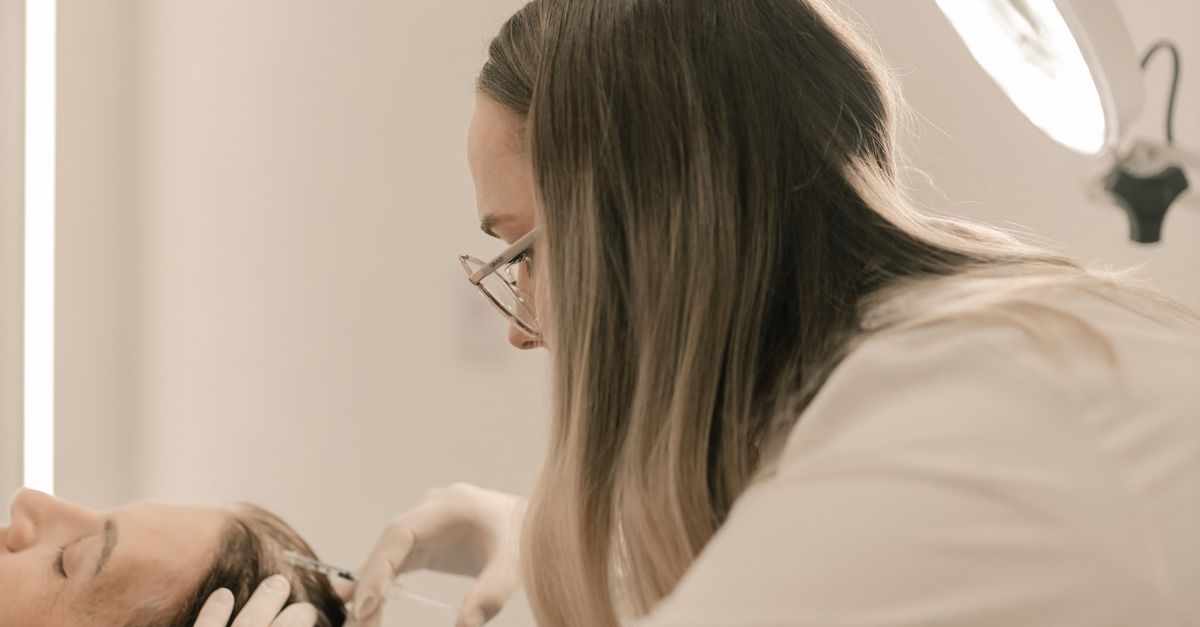
What does dermatology cover?
Dermatology (피부과) deals with the skin, hair and nails. In Korea it has two broad sides. Medical dermatology diagnoses and treats conditions like acne, atopic dermatitis, psoriasis, rosacea, warts, fungal infections, hives and suspicious moles. Cosmetic dermatology covers pigment lasers for melasma and freckles, pico toning, laser hair and tattoo removal, Botox, fillers, skin boosters such as Rejuran, and non-surgical lifting with HIFU (Ultherapy) or radiofrequency (Thermage).
Common reasons people visit Seomyeon skin clinics
- Acne and acne scars, especially among students and young workers
- Pigmentation and uneven tone, a frequent concern in Korean skincare culture
- Eczema and dry skin flares in Busan's winters
- Short-downtime cosmetic treatments for visitors, such as toning, boosters and Botox
- Mole checks and wart treatment
How dermatology clinics in Korea typically work
- Walk-in or appointment: many neighbourhood dermatology clinics see walk-in patients for medical problems. Cosmetic procedures often need an appointment or same-day consultation.
- Specialist vs general clinics: look for a board-certified dermatologist (피부과 전문의). Some aesthetic clinics are run by doctors from other specialties; check signage and ask.
- Coordinators: cosmetic clinics often have counsellors who explain packages before you see the doctor.
- Insurance: National Health Insurance generally covers medical diagnosis and prescriptions; cosmetic procedures are paid privately. Foreigners staying 6+ months are generally enrolled in NHI.
- Hospitals: severe or complex disease, such as biologic therapy for psoriasis, may be referred to a university hospital dermatology department.
Tips for foreigners
- Bring a list of your current skincare products and medicines.
- Ask for the doctor's assessment before agreeing to multi-session packages.
- Protect your skin from sun after lasers; Busan summers are bright and humid.
- Schedule treatments with visible downtime early in a trip.
- Pharmacies near clinics fill prescriptions quickly; ask how to use each product.
How to choose a dermatologist
Look for a specialist who diagnoses before treating, explains realistic results and offers medical options, not only paid procedures. Ask which devices and products are used and whether follow-up can fit your schedule. Seomyeon Station, where Metro Lines 1 and 2 meet, puts most clinics within a short walk.
Treatment guides
- Acne Treatment
- Acne Scar Treatment
- Pico Laser Toning
- Melasma Treatment
- Freckle & Sun Spot Removal
- Mole Removal
- Wart Removal
- Rosacea Treatment
- Atopic Dermatitis (Eczema) Treatment
- Psoriasis Treatment
- Botox Injections
- Dermal Fillers
- Skin Boosters (Rejuran & Hyaluronic)
- Ultherapy (HIFU Lifting)
- Thermage (RF Lifting)
- Laser Hair Removal
- Tattoo Removal
- Fungal Nail Treatment
- Hyperhidrosis (Excessive Sweating) Treatment
- Aqua Peel & Medical Facials
Frequently asked questions
Can I see a dermatologist in Seomyeon without an appointment?
Many dermatology clinics in Seomyeon accept walk-in patients for medical concerns such as rashes, acne or warts, though waits vary. Cosmetic procedures often require a consultation first, and popular clinics may ask you to book ahead.
Is dermatology covered by insurance in Korea?
National Health Insurance generally covers medical dermatology, such as diagnosis and prescriptions for acne, eczema or infections, for those enrolled. Cosmetic treatments like lasers, Botox and fillers are not covered and are paid privately.
Which skin treatments suit a short trip to Busan?
Low-downtime options such as Botox, pico toning, medical facials and HIFU are popular with visitors. Treatments with crusting or bumps, like freckle laser or skin boosters, are best done early in a trip.
How do I know if a skin clinic doctor is a dermatologist?
Board-certified dermatologists are called 피부과 전문의, and clinics run by them typically display "피부과" in their name. Ask the clinic directly if you are unsure of the treating doctor's specialty.
Do Seomyeon skin clinics speak English?
Some clinics, particularly those serving international patients, have English, Japanese or Chinese-speaking staff. Availability varies, so ask when booking and use a translation app for detailed medication instructions if needed.
Medical disclaimer: Seomyeon.Clinic is an independent information directory. Content is for general education and does not replace a consultation with a licensed physician. In an emergency in Korea, call 119.