
Fungal Nail Treatment in Seomyeon, Busan
Fungal nail treatment (손발톱 무좌 치료) addresses onychomycosis, a fungal infection that makes nails thick, yellow-white, brittle or lifted. In Seomyeon, Busan, a dermatologist usually confirms fungus with a quick nail-scraping microscopy test, then prescribes oral antifungals, medicated nail lacquer or solution, sometimes with nail laser. Because nails grow slowly, clearing takes months: around 6 months for fingernails and 12–18 months for toenails.
Independent patient guide · Medically informative, not a substitute for a doctor's advice · Last reviewed:
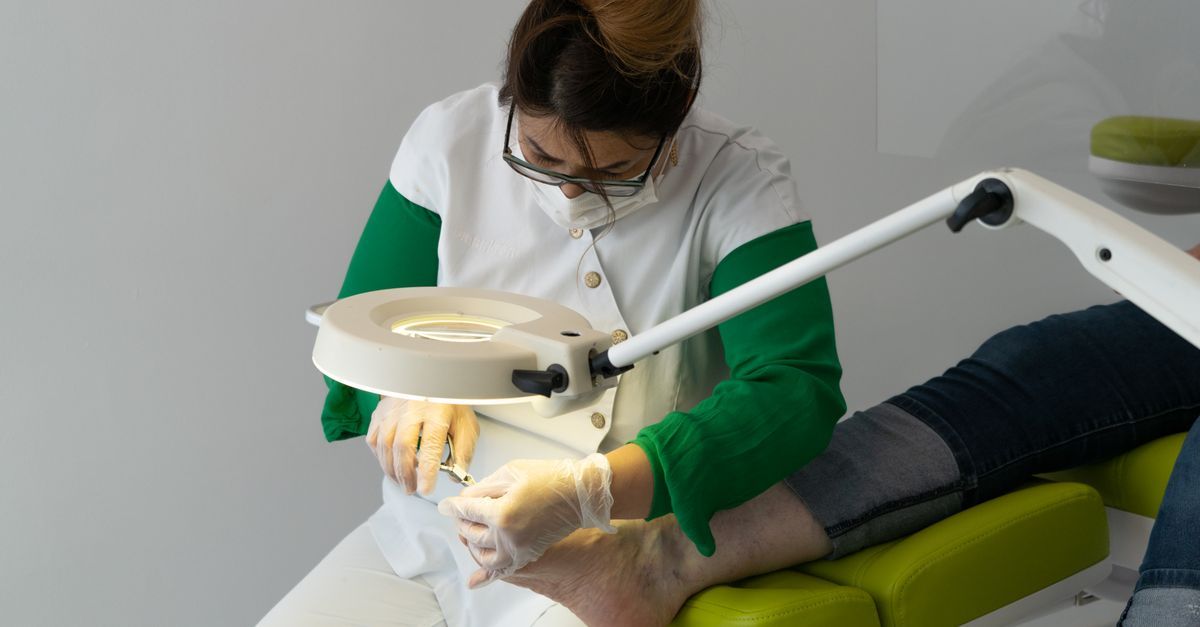
What is fungal nail infection?
Onychomycosis is a common infection of the nail, usually caused by dermatophyte fungi, the same organisms that cause athlete's foot. It is more common with age, diabetes, poor circulation, sweaty feet, tight shoes and use of shared showers. Infection spreads slowly through the nail, and without treatment it rarely resolves on its own.
Symptoms and when to see a doctor
- Yellow, white or brown discoloration of one or more nails
- Thickened, crumbly or brittle nails
- Nail lifting from the nail bed
- Discomfort when wearing shoes
- Accompanying itchy, peeling skin between toes (athlete's foot)
Not every discoloured nail is fungal: psoriasis, trauma and, rarely, melanoma under the nail can look similar. A dark streak in a nail, especially if new or widening, should be checked promptly. People with diabetes should see a doctor early because foot infections can become serious.
What happens at the clinic
- Examination: the dermatologist examines nails and skin of the feet or hands.
- Test: a small nail scraping is examined under the microscope (KOH test), often with results the same day.
- Treatment plan: oral antifungal for several nails or deep involvement; topical for mild, limited infection.
- Blood tests: may be requested before or during oral therapy to check liver function.
- Adjuncts: thinning the nail or laser sessions to enhance penetration.
Treatment outlook
Oral treatment typically lasts about 6 weeks for fingernails and 12 weeks for toenails, but the healthy nail must grow out fully, so visible clearing takes many months. Topical treatment needs daily application for up to a year. Recurrence is common, so treating athlete's foot and preventive habits matter.
Risks and side effects
- Oral antifungals: stomach upset, taste changes, rash, rare liver injury; important drug interactions
- Topicals: local irritation, slower and less complete results
- Laser: warmth or discomfort; evidence is mixed, so best as an adjunct
Choosing a clinic for fungal nail treatment in Seomyeon
- Choose a dermatologist who confirms fungus with a test before long-term treatment.
- Ask whether oral, topical or combined therapy suits your nails and health.
- Share all your medications so interactions can be checked.
- If laser is offered, ask what evidence and how many sessions are planned.
- Ask for prevention tips for footwear and shared facilities.
Practical tips in Busan
Public bathhouses and gyms are common in Korea; wear sandals and dry feet thoroughly. Seomyeon has many dermatology clinics for regular reviews.
Key facts
- Treats: onychomycosis of toenails or fingernails
- Diagnosis: KOH microscopy of nail scrapings; culture if needed
- Oral options: terbinafine, itraconazole (liver monitoring may be needed)
- Topical options: antifungal nail lacquers and solutions (e.g., efinaconazole)
- Adjuncts: nail laser, debridement (thinning the nail)
- Time to clear nail: about 6 months (fingers), 12–18 months (toes)
- Typical NHI coverage: medical diagnosis and prescriptions generally covered; nail laser often not
Frequently asked questions
How long does fungal nail treatment take?
Oral courses usually last about 6 weeks for fingernails and 12 weeks for toenails, but the nail must grow out to look normal. Visible clearing typically takes about 6 months for fingers and 12–18 months for toes.
Are oral antifungal pills safe?
For most healthy adults they are well tolerated. Doctors may check liver function and review other medicines for interactions. Tell your doctor about liver disease, alcohol use and all medications before starting.
Does nail laser cure fungal nails?
Laser may help as an add-on, but evidence for laser alone is mixed. Most dermatologists combine it with oral or topical antifungals for better results.
Can fungal nail infection come back?
Yes, recurrence is common. Treat athlete's foot, keep feet dry, change socks daily, avoid walking barefoot in shared showers and disinfect or replace old shoes to reduce the risk.
Is fungal nail treatment covered by insurance in Korea?
Diagnosis and prescription antifungals for confirmed infection are generally covered by National Health Insurance for enrollees. Nail laser is often charged privately. Ask the clinic before starting.
Medical disclaimer: Seomyeon.Clinic is an independent information directory. Content is for general education and does not replace a consultation with a licensed physician. Suitability, risks, results and costs vary by person and clinic. In an emergency in Korea, call 119.