
Psoriasis Treatment in Seomyeon, Busan
Psoriasis treatment (건선 치료) controls a chronic immune-mediated disease that causes thick, scaly, red or darker plaques, commonly on the elbows, knees, scalp and lower back. In Seomyeon, Busan, a dermatologist grades severity and starts topical treatment, with phototherapy, oral medicines or biologic injections for more extensive disease. Many patients see clear improvement within 4–12 weeks.
Independent patient guide · Medically informative, not a substitute for a doctor's advice · Last reviewed:
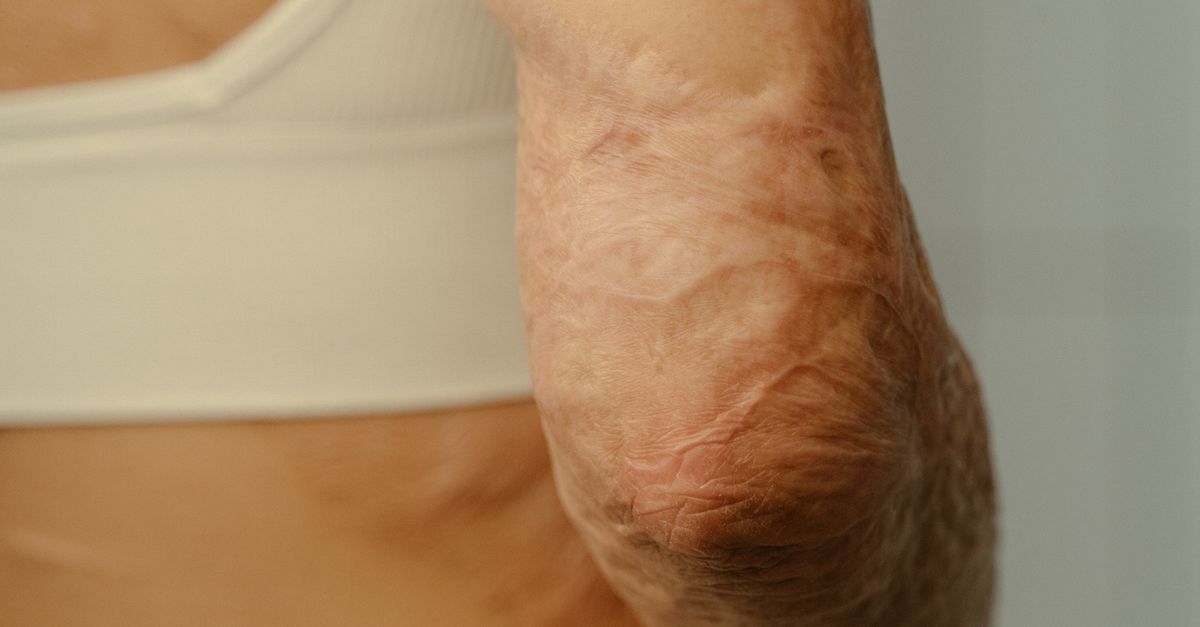
What is psoriasis?
Psoriasis (건선) is a long-term condition in which the immune system speeds up skin-cell turnover, producing raised plaques covered with silvery scale. It is not contagious. Types include plaque psoriasis (most common), guttate psoriasis (small drop-like spots often after strep throat), inverse psoriasis in skin folds, pustular and erythrodermic forms. Triggers include stress, infections, certain medicines, smoking, alcohol and skin injury.
Symptoms and when to see a doctor
- Well-defined, scaly plaques on elbows, knees, scalp, lower back or nails
- Itching, burning or cracking skin
- Nail pitting, thickening or separation from the nail bed
- Joint pain, swelling or morning stiffness, which may indicate psoriatic arthritis
Seek urgent care for widespread redness over most of the body, fever, or pus-filled spots, as these forms can be serious.
What happens at the clinic
- Diagnosis and severity: examination and scoring of body surface area and impact on life; a skin biopsy occasionally.
- Screening: joint symptoms, blood pressure, weight and sometimes blood tests for metabolic risk.
- Topical plan: steroid and vitamin D combinations; scalp solutions or shampoos.
- Phototherapy: narrowband UVB in clinic for widespread disease.
- Systemic or biologic therapy: considered when disease is extensive or resistant, after baseline blood tests and tuberculosis screening.
Treatment outlook
Topicals often improve limited plaques within a few weeks. Phototherapy typically needs a course of many sessions. Biologics can achieve near-clear skin for many patients with moderate to severe psoriasis. Psoriasis is chronic, so long-term management and periodic review are needed.
Risks and side effects
- Topical steroids: skin thinning with prolonged strong use
- Phototherapy: sunburn-like redness; long-term skin ageing
- Methotrexate and cyclosporine: liver, kidney and blood-count effects needing monitoring
- Acitretin: must be avoided in pregnancy for a long period
- Biologics: increased infection risk; screening for tuberculosis and hepatitis before starting
Choosing a clinic for psoriasis treatment in Seomyeon
- See a board-certified dermatologist experienced with systemic and biologic therapy, or one who can refer to a university hospital.
- Ask whether phototherapy is available on site and how often you would need to come.
- Ask about screening for psoriatic arthritis and referral to rheumatology.
- Ask what blood tests and monitoring each option requires.
- If you are a foreign resident, ask how ongoing prescriptions will be managed.
Ongoing care
Regular review is part of good psoriasis care. Seomyeon's central position on two metro lines makes frequent phototherapy visits more practical for people living in Busan.
Key facts
- Condition: chronic immune-mediated skin disease; not contagious
- Topicals: corticosteroids, vitamin D analogues (calcipotriol), combination gels, keratolytics for scalp
- Phototherapy: narrowband UVB, often 2–3 sessions weekly
- Systemic: methotrexate, cyclosporine, acitretin, apremilast
- Biologics: TNF, IL-17, IL-23 inhibitors for moderate to severe disease
- Time to improvement: about 4–12 weeks depending on treatment
- Associated: psoriatic arthritis, metabolic and cardiovascular risk
Frequently asked questions
Is psoriasis contagious?
No. Psoriasis is an immune-mediated condition and cannot spread from person to person through touch, swimming pools or sharing items.
Can psoriasis be cured?
There is currently no cure, but treatments can clear or greatly reduce plaques for long periods. Biologics have made near-clear skin achievable for many people with moderate to severe psoriasis.
What are biologics for psoriasis?
Biologics are injectable medicines that block specific immune signals such as TNF, IL-17 or IL-23. They are used for moderate to severe psoriasis and require screening for infections like tuberculosis before starting.
Does psoriasis affect the joints?
Some people with psoriasis develop psoriatic arthritis, causing joint pain, swelling and stiffness. Early treatment helps prevent joint damage, so mention any joint symptoms to your dermatologist.
How does phototherapy for psoriasis work?
Narrowband UVB light slows the overactive skin-cell turnover and calms inflammation. Sessions take minutes and are usually done 2–3 times a week for several weeks, making it best suited to people living nearby.
Medical disclaimer: Seomyeon.Clinic is an independent information directory. Content is for general education and does not replace a consultation with a licensed physician. Suitability, risks, results and costs vary by person and clinic. In an emergency in Korea, call 119.