
Atopic Dermatitis (Eczema) Treatment in Seomyeon, Busan
Atopic dermatitis treatment (아토피 피부염 치료) manages eczema, a chronic itchy inflammatory skin condition, through daily moisturising, topical anti-inflammatory creams, and for moderate to severe cases phototherapy, oral medicines or biologic injections. In Seomyeon, Busan, a dermatologist assesses severity and triggers at the first visit. Flares often calm within 1–2 weeks of proper treatment, but long-term control is the goal.
Independent patient guide · Medically informative, not a substitute for a doctor's advice · Last reviewed:
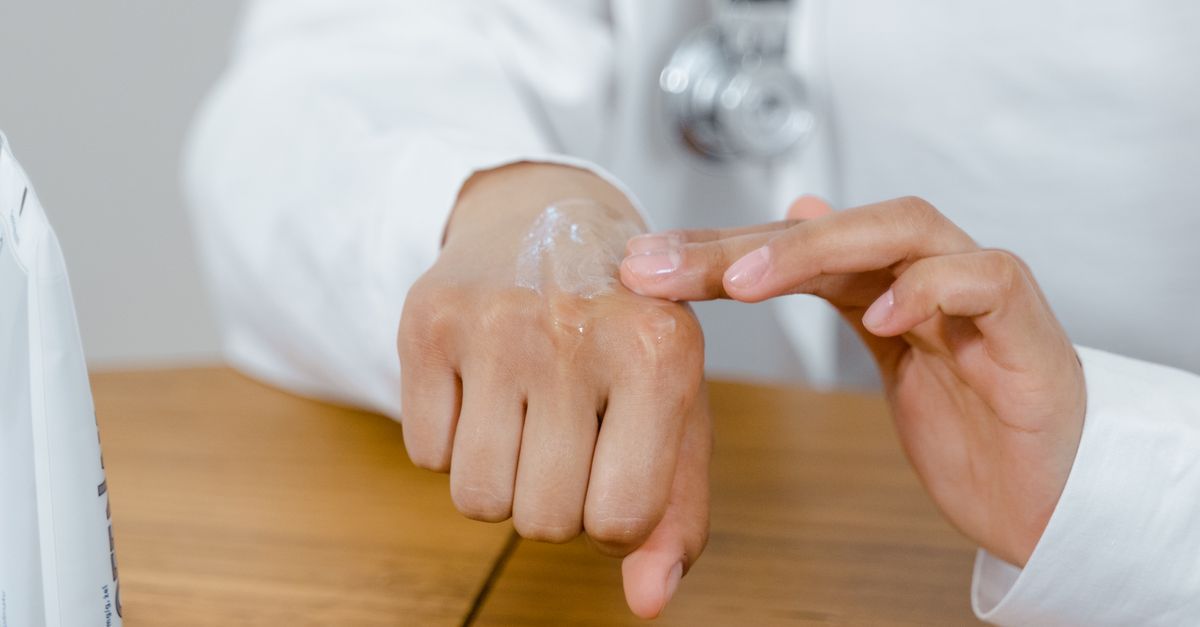
What is atopic dermatitis?
Atopic dermatitis (아토피) is the most common form of eczema. A weakened skin barrier lets moisture escape and irritants in, while an overactive immune response drives inflammation and itch. It often starts in childhood and may continue or reappear in adulthood. It is not contagious. Many people also have hay fever, asthma or food allergies.
Symptoms and when to see a doctor
- Dry, intensely itchy skin, often worse at night
- Red or darker patches in elbow and knee folds, neck, face or hands
- Thickened, leathery skin from chronic scratching
- Oozing, crusting or yellow crusts, which may signal infection
- Painful clustered blisters, which can indicate eczema herpeticum and need urgent care
See a dermatologist if over-the-counter moisturisers are not enough, sleep is disturbed, or you suspect infection.
What happens at the clinic
- Assessment: history, examination of affected areas and severity scoring; allergy testing only when history suggests specific triggers.
- Skin care plan: moisturiser type, bathing routine and trigger avoidance.
- Anti-inflammatory treatment: topical steroid of appropriate strength for each body area, or steroid-sparing creams for face and folds.
- Infection management: antibiotics or antivirals if needed.
- Advanced options: phototherapy, oral medicines or biologic injections for persistent moderate to severe disease, with monitoring.
Treatment outlook
With consistent care, most people achieve long periods of good control. A proactive approach, applying anti-inflammatory cream twice weekly to usual flare sites even when clear, can reduce relapses. Biologics have changed outcomes for many adults with severe disease.
Risks and side effects
- Topical steroids: skin thinning or stretch marks with prolonged strong use in the wrong areas; safe when used as directed
- Calcineurin inhibitors: temporary burning
- Oral immunosuppressants and JAK inhibitors: require blood monitoring
- Biologics: conjunctivitis and injection-site reactions are common
Choosing a clinic for eczema treatment in Seomyeon
- See a board-certified dermatologist who explains which cream to use where and for how long.
- Ask about a written action plan for flares.
- If eczema is severe, ask whether they offer phototherapy or biologic therapy, or can refer you.
- Ask whether allergy testing is truly needed in your case.
- Bring your current products and medications to the visit.
Climate and local tips
Busan's dry winters and heated indoor air can worsen eczema, while humid summers bring sweat-triggered flares. Seomyeon dermatology clinics are easily reached by metro for regular reviews.
Key facts
- Condition: chronic, relapsing itchy eczema, often with allergies or asthma
- Foundation: daily emollients and gentle bathing
- Topicals: corticosteroids, calcineurin inhibitors (tacrolimus, pimecrolimus), newer non-steroid options
- Moderate to severe: narrowband UVB phototherapy, oral immunosuppressants, JAK inhibitors, biologics such as dupilumab
- Flare response: often 1–2 weeks with appropriate treatment
- Typical NHI coverage: medical treatment generally covered; some advanced therapies have eligibility criteria
Frequently asked questions
Can atopic dermatitis be cured?
There is no permanent cure, but most people can control it well. Many children improve as they grow. Regular moisturising, prompt treatment of flares and, if needed, advanced therapies allow long periods of clear skin.
Are steroid creams safe for eczema?
Yes, when used as prescribed. The right strength for the right area and duration controls inflammation effectively. Problems arise mainly with prolonged use of strong steroids on thin skin. Undertreatment out of fear is a common reason eczema stays uncontrolled.
What is dupilumab?
Dupilumab is a biologic injection that blocks specific immune signals involved in atopic dermatitis. It is used for moderate to severe eczema not controlled by creams. It is usually given every two weeks after a loading dose.
Is atopic dermatitis treatment covered by insurance in Korea?
Medical consultations and many prescriptions for eczema are generally covered by National Health Insurance for those enrolled. Advanced treatments such as biologics may have eligibility criteria. Ask the clinic how your plan is covered.
What can I do at home to prevent eczema flares?
Moisturise at least twice daily, take short lukewarm showers, use fragrance-free cleansers, wear soft cotton clothing, keep nails short and identify personal triggers such as sweat, stress or certain fabrics.
Medical disclaimer: Seomyeon.Clinic is an independent information directory. Content is for general education and does not replace a consultation with a licensed physician. Suitability, risks, results and costs vary by person and clinic. In an emergency in Korea, call 119.