
Rosacea Treatment in Seomyeon, Busan
Rosacea treatment (주사 치료) controls a chronic inflammatory skin condition that causes facial flushing, persistent redness, visible blood vessels and acne-like bumps. In Seomyeon, Busan, a dermatologist confirms the diagnosis and usually prescribes topical or oral medication, with vascular laser or IPL for redness. Bumps often improve in 6–12 weeks; ongoing trigger control helps prevent flares.
Independent patient guide · Medically informative, not a substitute for a doctor's advice · Last reviewed:
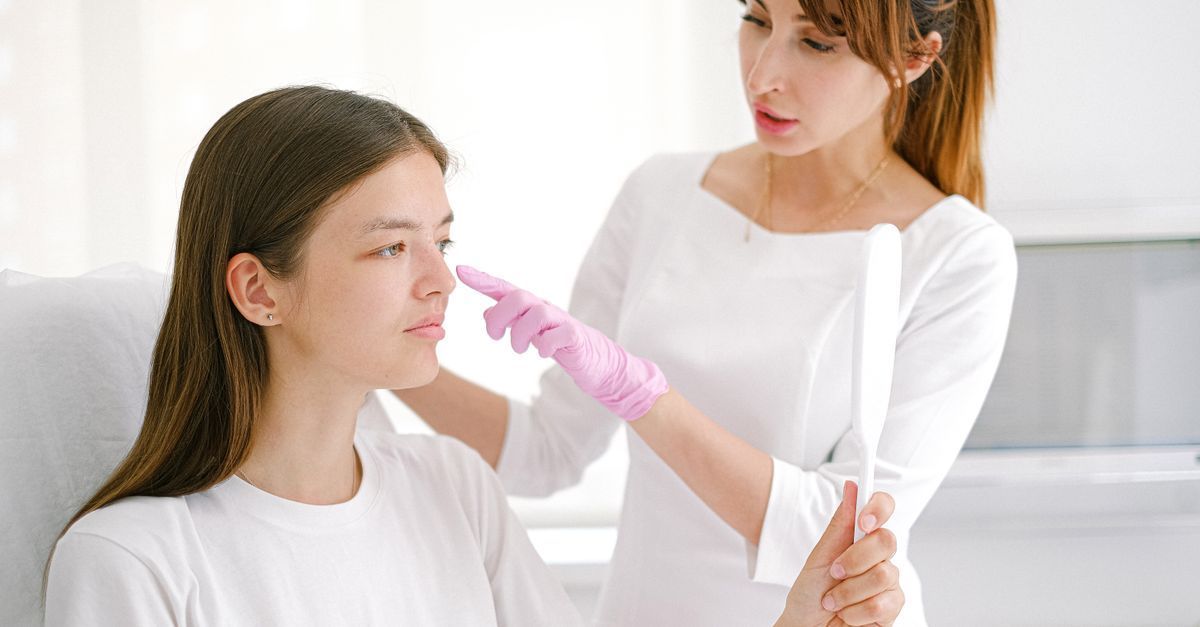
What is rosacea?
Rosacea (주사) is a long-term skin condition affecting the central face: cheeks, nose, chin and forehead. Its exact cause is not fully understood, but blood vessel reactivity, immune factors, skin barrier dysfunction and Demodex mites are thought to play roles. It is often mistaken for acne or sensitive skin, and inappropriate use of steroid creams can worsen it.
Symptoms and when to see a doctor
- Frequent flushing, especially with heat, alcohol, spicy food or stress
- Persistent central facial redness and visible small vessels (telangiectasia)
- Red bumps and pustules without blackheads
- Burning, stinging or very sensitive skin that reacts to products
- Gritty, dry or irritated eyes (ocular rosacea)
- Thickened skin on the nose in advanced cases (rhinophyma)
See a dermatologist if redness persists, you have eye symptoms, or redness worsened after using steroid creams.
What happens at the clinic
- Diagnosis: history of triggers, skin examination and exclusion of look-alikes such as seborrheic dermatitis, lupus or steroid-induced dermatitis.
- Medical plan: topical anti-inflammatory treatment; oral medication for moderate bumps or eye involvement.
- Redness treatment: vascular laser or IPL sessions, typically several, once inflammation is calmer.
- Skincare guidance: gentle cleanser, barrier-repair moisturiser and mineral sunscreen.
- Follow-up: review in a few weeks, then maintenance.
Treatment outlook
Bumps and pustules usually improve within 2–3 months of medication. Background redness and vessels respond best to laser or IPL. Rosacea tends to come and go, so most people need maintenance treatment and trigger management long-term. Early treatment helps prevent progression.
Risks and side effects
- Topicals: initial stinging or irritation
- Oral antibiotics: stomach upset and sun sensitivity
- Laser or IPL: temporary redness, swelling, rarely bruising or pigment change
- Rebound redness with some redness-reducing gels
Choosing a clinic for rosacea treatment in Seomyeon
- See a board-certified dermatologist who distinguishes rosacea from acne and steroid-induced redness.
- Ask whether medical treatment or laser comes first for your type.
- Ask which vascular device they use and how many sessions they expect.
- Ask about products to avoid, including strong peels and scrubs.
- If you have eye symptoms, ask about ophthalmology referral.
Living with rosacea in Busan
Busan's hot, humid summers, saunas and spicy food can trigger flushing. Keeping a trigger diary helps. Seomyeon's many dermatology clinics make follow-up easy for residents.
Key facts
- Condition: chronic facial inflammation with flushing, redness, bumps, sometimes eye irritation
- Topicals: metronidazole, azelaic acid, ivermectin; brimonidine or oxymetazoline for redness
- Oral options: low-dose doxycycline or other tetracyclines, isotretinoin in selected cases
- Procedures: vascular laser (e.g., pulsed dye, Nd:YAG) or IPL for vessels and redness
- Time to improvement: about 6–12 weeks for bumps
- Course: chronic, relapsing; maintenance often needed
- Typical NHI coverage: consultation and prescriptions generally covered; cosmetic laser often not
Frequently asked questions
Can rosacea be cured?
Rosacea is a chronic condition without a permanent cure, but it can be well controlled. Medication, laser for redness and avoiding personal triggers can keep skin calm for long periods. Flares may still happen occasionally.
What triggers rosacea flares?
Common triggers include sun, heat, saunas, alcohol, spicy food, hot drinks, stress, strenuous exercise and harsh skincare. Triggers vary between people, so tracking your own patterns is useful.
Does laser help rosacea redness?
Vascular lasers and IPL can significantly reduce persistent redness and visible blood vessels, often over several sessions. They work less well for bumps, which respond better to medication. Maintenance sessions may be needed.
Rosacea vs acne: what is the difference?
Both can cause red bumps, but rosacea lacks blackheads and whiteheads and comes with flushing and persistent central redness. Some acne treatments irritate rosacea, so correct diagnosis matters.
Can I use steroid creams for rosacea?
No. Topical steroids may calm redness briefly but often worsen rosacea and can cause steroid-induced rosacea. If you have been using steroid creams on your face, tell your dermatologist so they can taper safely.
Medical disclaimer: Seomyeon.Clinic is an independent information directory. Content is for general education and does not replace a consultation with a licensed physician. Suitability, risks, results and costs vary by person and clinic. In an emergency in Korea, call 119.