
Pico Laser Toning in Seomyeon, Busan
Pico laser toning (피코 토닝) is a low-energy picosecond laser treatment that breaks up excess pigment in very short pulses to brighten dull skin and even out tone, melasma and faint spots. In Seomyeon, Busan, a session usually takes about 10–20 minutes, often with no numbing. Most people do a course of around 5–10 sessions spaced 1–4 weeks apart, with little or no downtime.
Independent patient guide · Medically informative, not a substitute for a doctor's advice · Last reviewed:
What is pico laser toning?
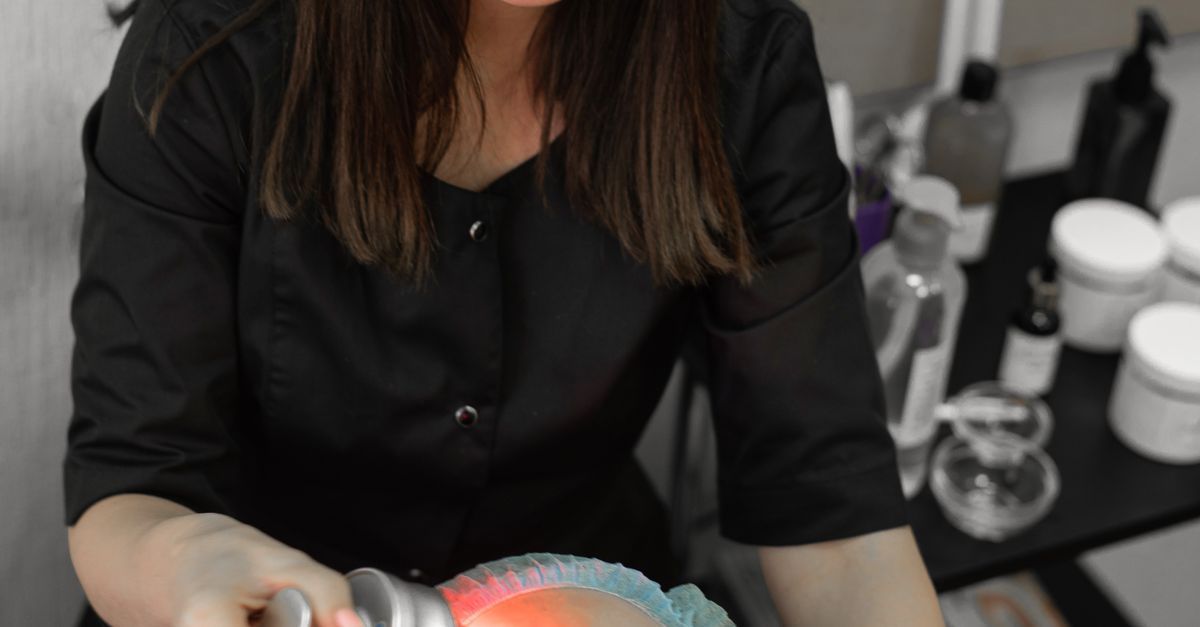
Picosecond lasers emit pulses lasting trillionths of a second. This creates a photoacoustic effect that shatters pigment into tiny particles, which the body then clears, with less heat than older nanosecond Q-switched lasers. "Toning" means using low energy over the whole face in multiple passes to gently reduce pigment and improve brightness, rather than blasting individual spots. Some pico devices also have fractional handpieces that stimulate collagen for texture and fine scars.
Who is it for?
- People with uneven skin tone or diffuse pigmentation
- Mild to moderate melasma, as part of a broader plan
- Post-inflammatory dark marks after acne
- Those wanting gradual improvement without downtime
Distinct freckles, sun spots or birthmarks are often better treated with higher-energy spot treatment. Melasma can worsen with aggressive laser, so a conservative, dermatologist-led approach is important.
What happens at the clinic
- Skin assessment: the dermatologist identifies pigment types, sometimes with a skin-analysis camera.
- Cleansing: makeup is removed; numbing is usually not needed for toning.
- Laser: with eye protection, the device is passed evenly over the face; it feels like light snapping or warmth.
- Soothing: a calming mask or cooling may follow.
- Schedule: the next session is typically booked 1–4 weeks later.
Recovery and aftercare
Mild redness usually fades within hours, and makeup can often be applied the same day. Use broad-spectrum sunscreen daily and reapply outdoors, as UV undoes progress. Avoid harsh exfoliants for a few days. Results build over a course; maintenance sessions are often recommended because pigment can return with sun exposure and hormones.
Risks and side effects
- Temporary redness or mild swelling
- Rebound hyperpigmentation or, with overtreatment, patchy lightening (mottled hypopigmentation)
- Melasma flare if settings are too aggressive
- Rarely, small blisters or acne-like bumps
Choosing a clinic for pico laser toning in Seomyeon
- Look for a board-certified dermatologist who diagnoses your pigment type before lasering.
- Ask which pico device and wavelength they use, and why it suits your skin.
- Ask how they monitor for and avoid hypopigmentation over a long course.
- Ask whether topical or oral treatments will be added for melasma.
- Confirm session spacing and what to do if you can only stay in Busan briefly.
Local notes
Pico toning is widely offered in Seomyeon's dermatology clinics, and sessions are quick enough to fit around shopping or work. Seomyeon is easy to reach by Line 1 or Line 2.
Key facts
- Treats: uneven tone, mild melasma, post-acne marks, dullness, enlarged pores (some devices)
- Technology: picosecond pulses, often 1064 nm low-fluence toning
- Session time: about 10–20 minutes
- Course: commonly 5–10 sessions, 1–4 weeks apart
- Downtime: minimal; mild redness for a few hours
- Maintenance: periodic sessions often needed
- Typical NHI coverage: not covered (cosmetic)
Frequently asked questions
How many pico toning sessions do I need?
Most courses involve about 5–10 sessions spaced 1–4 weeks apart, depending on the condition and device. Melasma often needs a longer course combined with other treatments, followed by maintenance sessions.
Is there downtime after pico laser toning?
Usually very little. Mild redness typically settles within a few hours, and many people return to work or apply makeup the same day. Sun protection is important afterward.
Pico laser vs Q-switched laser toning: what is the difference?
Both target pigment. Pico lasers use much shorter pulses, breaking pigment into finer particles with less heat, which may mean fewer sessions and lower irritation for some people. Results depend on the operator as much as the device.
Does pico laser toning hurt?
Most people describe a mild snapping or warm sensation and do not need numbing for toning. Higher-energy spot or fractional treatments may be uncomfortable enough to use numbing cream.
Can pico toning make melasma worse?
It can if settings are too strong or sessions too frequent, which may trigger rebound pigmentation. Gentle, conservative toning combined with sunscreen and medical treatments is usually recommended for melasma.
Medical disclaimer: Seomyeon.Clinic is an independent information directory. Content is for general education and does not replace a consultation with a licensed physician. Suitability, risks, results and costs vary by person and clinic. In an emergency in Korea, call 119.