
Acne Scar Treatment in Seomyeon, Busan
Acne scar treatment (여드름 흉터 치료) uses procedures such as fractional laser, subcision, TCA CROSS and microneedling radiofrequency to remodel collagen and smooth pitted or rolling scars left by past acne. In Seomyeon, Busan, a session usually takes 30–60 minutes with numbing cream. Most people need 3–6 sessions about 4–6 weeks apart, with a few days of redness after each.
Independent patient guide · Medically informative, not a substitute for a doctor's advice · Last reviewed:
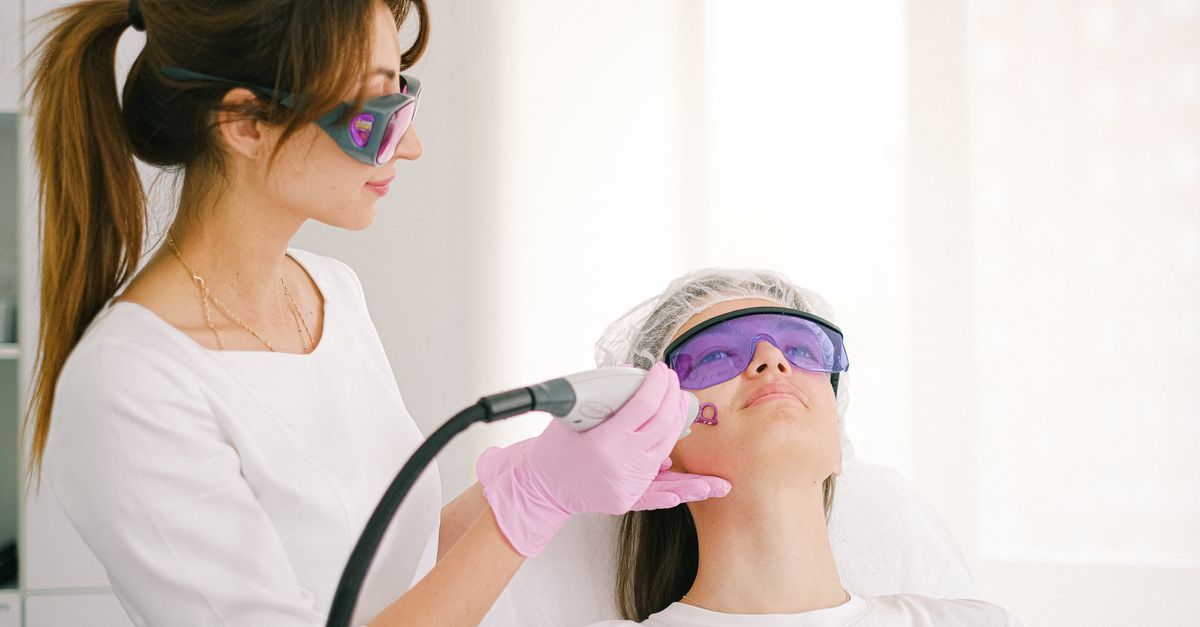
What is acne scar treatment?
Acne scars form when deep inflammation damages collagen. Most are atrophic (depressed) and fall into three types:
- Icepick: narrow, deep pits.
- Boxcar: wider depressions with sharp edges.
- Rolling: broad, wave-like dips caused by fibrous bands tethering skin downward.
Because scar types differ, dermatologists typically combine treatments. Fractional lasers create micro-injuries that stimulate new collagen; microneedle radiofrequency heats deeper layers; subcision (서브시젤) releases tethered rolling scars with a needle; TCA CROSS applies concentrated acid into icepick scars to build collagen from the base.
Who is it for?
- People with stable scarring whose active acne is controlled
- Those prepared for several sessions and gradual results
Active acne should be treated first. If you recently took isotretinoin, your dermatologist may advise waiting before aggressive resurfacing. Darker skin types need conservative settings to reduce pigmentation risk.
What happens at the clinic
- Scar mapping: the dermatologist examines scars under angled light and classifies their types.
- Treatment plan: a combination and schedule is designed, for example subcision plus fractional laser.
- Numbing: topical anesthetic cream is applied for 30–60 minutes.
- Procedure: laser, RF, subcision or TCA CROSS is performed.
- Aftercare: soothing products, sometimes a healing mask, and sun protection advice.
Recovery and aftercare
After fractional laser, expect redness, mild swelling and fine crusting for about 3–7 days. Subcision can cause bruising for a week or more. Use gentle cleanser, moisturiser and strict sunscreen; avoid retinoids, scrubs and makeup until the skin settles. Collagen remodeling continues for months, so improvement builds after each session.
Risks and side effects
- Post-inflammatory hyperpigmentation, more common in darker or Asian skin
- Prolonged redness
- Acne flare or infection, including cold sore reactivation
- Rarely, new scarring from overly aggressive treatment
Choosing a clinic for acne scar treatment in Seomyeon
- Choose a board-certified dermatologist who classifies your scar types before suggesting devices.
- Ask which combination they recommend and why, rather than a single "package".
- Ask how they adjust settings to reduce pigmentation in your skin type.
- Ask for a realistic estimate of improvement and number of sessions.
- Check whether follow-up sessions can fit your travel plans.
Planning sessions in Busan
Because sessions are spaced weeks apart, residents find this easier to complete. Visitors can start with one session and continue at home. Seomyeon's many dermatology clinics are a short metro ride from anywhere in central Busan.
Key facts
- Treats: icepick, boxcar and rolling atrophic scars; some raised scars
- Common methods: fractional CO2 or erbium laser, microneedle RF, subcision, TCA CROSS, skin boosters
- Session time: about 30–60 minutes plus numbing
- Sessions: usually 3–6, spaced 4–6 weeks apart
- Downtime: about 3–7 days of redness or crusting per session
- Results: gradual improvement, not complete removal
- Typical NHI coverage: not covered (cosmetic)
Frequently asked questions
Can acne scars be removed completely?
Usually not completely, but they can be meaningfully improved. Most people see scars become shallower and less noticeable over several sessions. Deep icepick scars are the most stubborn and often need targeted treatments like TCA CROSS.
How many sessions do I need for acne scars?
Most people need 3–6 sessions spaced about 4–6 weeks apart. Severe or mixed scarring may need more. Improvement continues for months after each session as collagen remodels.
Does acne scar laser hurt?
Numbing cream is applied beforehand, so most people feel heat and prickling rather than sharp pain. Subcision involves local anesthetic injections. Discomfort afterward feels like a mild sunburn.
What is the downtime for fractional laser?
Expect redness and fine crusts for about 3–7 days, depending on intensity. Most people can return to work within a few days with makeup once the skin surface has healed.
Can I treat acne scars while I still have active acne?
It is usually better to control active acne first, because new breakouts create new scars and inflammation can worsen after resurfacing. Your dermatologist may treat both in parallel with careful planning.
Medical disclaimer: Seomyeon.Clinic is an independent information directory. Content is for general education and does not replace a consultation with a licensed physician. Suitability, risks, results and costs vary by person and clinic. In an emergency in Korea, call 119.