
Acne Treatment in Seomyeon, Busan
Acne treatment (여드름 치료) is medical care for clogged pores, inflamed pimples and cysts, combining prescription creams, oral medication and in-clinic procedures such as extraction, chemical peels or light therapy. In Seomyeon, Busan, a dermatology visit usually takes 15–30 minutes, with a skin exam and prescription; procedures add time. Visible improvement typically takes 6–12 weeks.
Independent patient guide · Medically informative, not a substitute for a doctor's advice · Last reviewed:
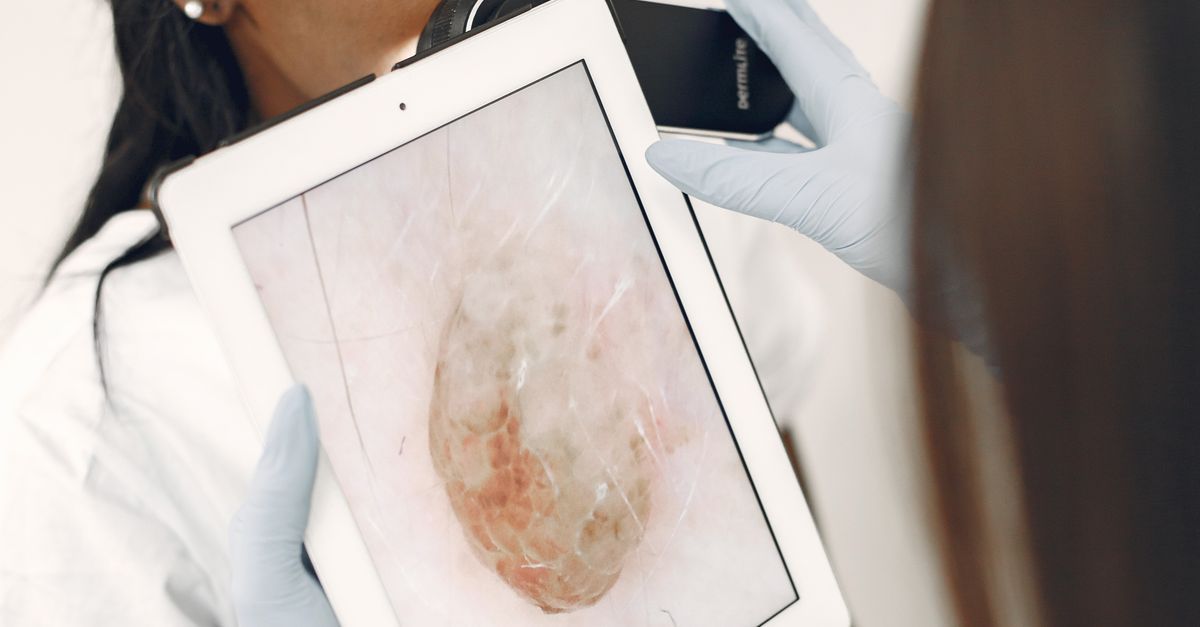
What is acne treatment?
Acne develops when hair follicles become blocked with oil and dead skin cells, allowing Cutibacterium acnes bacteria and inflammation to build up. Treatment targets these causes: reducing oil, unclogging pores, calming inflammation and controlling bacteria. Korean dermatology clinics (피부과) commonly combine prescription medicine with in-clinic procedures to speed improvement and reduce scarring.
Symptoms and when to see a doctor
- Pimples that have not improved after 2–3 months of over-the-counter products
- Painful, deep nodules or cysts
- Acne leaving dark marks or scars
- Sudden adult acne, or acne with irregular periods or excess hair growth, which may suggest a hormonal cause
- Acne that affects your confidence or mood
What happens at the clinic
- Skin assessment: the dermatologist grades acne type and severity and asks about skincare, cosmetics, medications and menstrual history.
- Prescription plan: usually a topical retinoid and an antimicrobial, with oral antibiotics for moderate inflammatory acne.
- Procedures if appropriate: professional extraction (압출), salicylic or other chemical peels, PDT or light therapy, or a small steroid injection to shrink a painful cyst.
- Isotretinoin assessment: for severe or scarring acne, blood tests and counselling before starting.
- Follow-up: review at about 4–8 weeks to adjust treatment.
Treatment outlook
Acne usually improves gradually: topical retinoids can cause mild dryness and an initial flare during the first weeks. Most people see clear improvement within 2–3 months. Ongoing maintenance with a topical retinoid helps prevent recurrence. Post-inflammatory dark marks fade over months, while true scars need separate treatment.
Risks and side effects
- Topicals: dryness, peeling, irritation and sun sensitivity
- Oral antibiotics: stomach upset, sun sensitivity, and resistance with long courses
- Isotretinoin: dry lips and skin, raised blood lipids, and it must never be taken during pregnancy because it causes serious birth defects
- Extraction or peels: temporary redness and, if poorly done, marks
Choosing a clinic for acne treatment in Seomyeon
- Look for a board-certified dermatologist (피부과 전문의), not only an aesthetic clinic.
- Ask whether the plan is based on prescription medicine or mainly paid procedures.
- If isotretinoin is suggested, ask about blood tests and pregnancy prevention.
- Ask how they prevent and treat dark marks on your skin type.
- Check that you can get prescriptions explained clearly at the pharmacy.
Local notes
Dermatology clinics are plentiful around Seomyeon Station, and many accept walk-ins for general skin consultations. Pharmacies nearby can fill prescriptions straight after your visit.
Key facts
- Treats: blackheads, whiteheads, inflamed papules, pustules, nodules and cysts
- Topicals: retinoids, benzoyl peroxide, topical antibiotics, azelaic acid
- Oral options: antibiotics, hormonal therapy for some women, isotretinoin for severe acne
- In-clinic: extraction, chemical peels, PDT or light therapy, steroid injection for cysts
- Time to results: typically 6–12 weeks
- Typical NHI coverage: medical consultation and prescriptions generally covered; cosmetic procedures usually not
Frequently asked questions
How long does acne treatment take to work?
Most prescription treatments take 6–12 weeks to show clear improvement, and the skin may flare slightly at first. Keep using treatment consistently and attend follow-up so your dermatologist can adjust the plan.
Is acne treatment covered by insurance in Korea?
Medical consultations and prescription medicines for acne are generally covered by National Health Insurance for those enrolled. Procedures done mainly for appearance, such as many peels and lasers, are usually paid privately. Ask the clinic before treatment.
Should I get my pimples extracted at a clinic?
Professional extraction can help clear blackheads and some whiteheads with less trauma than squeezing at home. Deep, inflamed cysts should not be squeezed; they respond better to medication or a steroid injection.
Is isotretinoin safe?
Isotretinoin is highly effective for severe acne when prescribed and monitored by a doctor. It requires blood tests and strict pregnancy prevention because it causes birth defects. Common side effects include dryness of the lips, skin and eyes.
Can I see a dermatologist for acne on a short trip to Busan?
Yes. Many Seomyeon dermatology clinics see patients the same day for a consultation and prescription. Bring a list of your current products and medicines, and plan to continue care with a doctor at home.
Medical disclaimer: Seomyeon.Clinic is an independent information directory. Content is for general education and does not replace a consultation with a licensed physician. Suitability, risks, results and costs vary by person and clinic. In an emergency in Korea, call 119.