
Melasma Treatment in Seomyeon, Busan
Melasma treatment (기미 치료) manages symmetrical brown or grey-brown patches on the cheeks, forehead or upper lip using strict sun protection, prescription lightening creams, oral tranexamic acid in selected patients and gentle laser toning. In Seomyeon, Busan, the first visit involves a dermatologist's diagnosis and plan. Improvement typically takes 2–3 months, and maintenance is needed because melasma tends to recur.
Independent patient guide · Medically informative, not a substitute for a doctor's advice · Last reviewed:
What is melasma?
Melasma (기미) is a common pigment disorder that causes symmetrical brown patches, usually on the cheeks, forehead, nose bridge and upper lip. It is more common in women and in people with medium to darker skin, including many East Asians. Triggers include sun and visible light, hormonal changes (pregnancy, contraceptive pills), heat and genetics. Melasma is chronic: it can be improved and controlled but rarely cured permanently.
Symptoms and when to see a doctor
- Flat brown or grey-brown patches with blurry edges on both sides of the face
- Patches that darken in summer or after sun exposure
- Pigmentation that started during pregnancy or on hormonal medicine
See a dermatologist to confirm the diagnosis, as melasma can look like sun spots, freckles or a deeper condition called Hori's nevus (ABNOM), each needing different treatment. A single changing dark spot should always be checked to rule out skin cancer.
What happens at the clinic
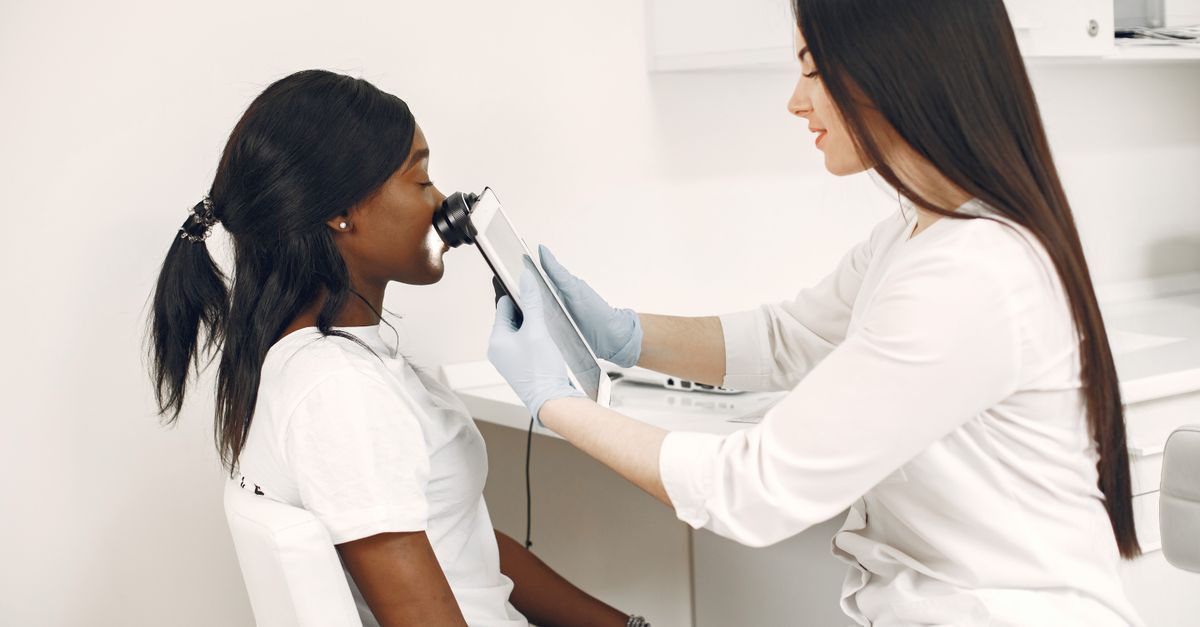
- Diagnosis: examination, sometimes with a Wood's lamp or skin-analysis camera to estimate pigment depth.
- Trigger review: sun habits, hormones, cosmetics and medications.
- Medical plan: daily sunscreen and topical agents; oral tranexamic acid considered after checking clotting risk.
- Gentle procedures: low-fluence laser toning or mild peels if appropriate, spaced to avoid irritation.
- Review: follow-up every few weeks to track progress and adjust.
Treatment outlook
Most people see lightening within 2–3 months of consistent treatment. Melasma frequently returns with sun exposure, heat or hormonal changes, so maintenance with sunscreen, topical treatment and occasional toning is usually lifelong. Expect improvement, not a guarantee of clear skin.
Risks and side effects
- Hydroquinone: irritation, and with prolonged unsupervised use, ochronosis (a blue-black darkening)
- Tranexamic acid: stomach upset, menstrual changes; not suitable if you have a history of blood clots or certain risk factors
- Laser: rebound darkening or mottled lightening if too aggressive
Choosing a clinic for melasma treatment in Seomyeon
- See a board-certified dermatologist who confirms melasma versus other pigment conditions.
- Ask whether medical treatment will come before or alongside laser.
- If tranexamic acid is suggested, ask how clot risk is screened.
- Ask how they prevent rebound pigmentation from laser.
- Ask for a maintenance plan you can follow after leaving Busan.
Living or travelling in Busan
Busan's coastal summers bring strong UV, so year-round sun protection matters. Seomyeon's dermatology clinics make regular follow-up practical for residents.
Key facts
- Condition: chronic pigmentation linked to UV, visible light, hormones and genetics
- First-line: broad-spectrum sunscreen, ideally tinted, plus topical lightening agents
- Medications: hydroquinone or triple-combination cream, azelaic acid, cysteamine; oral tranexamic acid for selected patients
- Procedures: low-fluence laser toning, gentle peels
- Time to improvement: usually 8–12 weeks
- Relapse: common; long-term maintenance needed
- Typical NHI coverage: cosmetic laser not covered
Frequently asked questions
Can melasma be cured permanently?
Melasma is usually a chronic condition. Treatment can lighten it substantially, but it often returns with sun exposure, heat or hormonal changes. Long-term sun protection and maintenance treatment keep it under control.
Does laser treatment work for melasma?
Low-energy laser toning can help as part of a combined plan, but lasers alone often give temporary results and aggressive settings can worsen pigmentation. Most dermatologists combine laser with sunscreen and topical or oral medication.
What is tranexamic acid for melasma?
Tranexamic acid is a medication that can reduce melasma pigmentation when taken orally or applied topically. It must be prescribed after screening for clotting risk, and it is not suitable for everyone.
Melasma vs freckles: how can I tell the difference?
Freckles are small, distinct spots that often appear in childhood. Melasma forms larger, blurry-edged patches symmetrically on the cheeks or forehead, often in adulthood. A dermatologist can confirm the diagnosis, which affects treatment choice.
What sunscreen is best for melasma?
A broad-spectrum sunscreen with high SPF, reapplied regularly, is essential. Tinted sunscreens containing iron oxides also block visible light, which can worsen melasma. Hats and shade add extra protection.
Medical disclaimer: Seomyeon.Clinic is an independent information directory. Content is for general education and does not replace a consultation with a licensed physician. Suitability, risks, results and costs vary by person and clinic. In an emergency in Korea, call 119.