
Child Stomach Flu Care in Seomyeon, Busan
Child stomach flu care treats viral gastroenteritis (장염), a common infection causing vomiting, diarrhoea and sometimes fever in children, often from norovirus or rotavirus. In Seomyeon, Busan, pediatric clinics assess hydration in a short visit, advise on oral rehydration solution and may give anti-nausea medicine or IV fluids if needed. Most children recover within a few days to a week.
Independent patient guide · Medically informative, not a substitute for a doctor's advice · Last reviewed:
What is stomach flu in children?
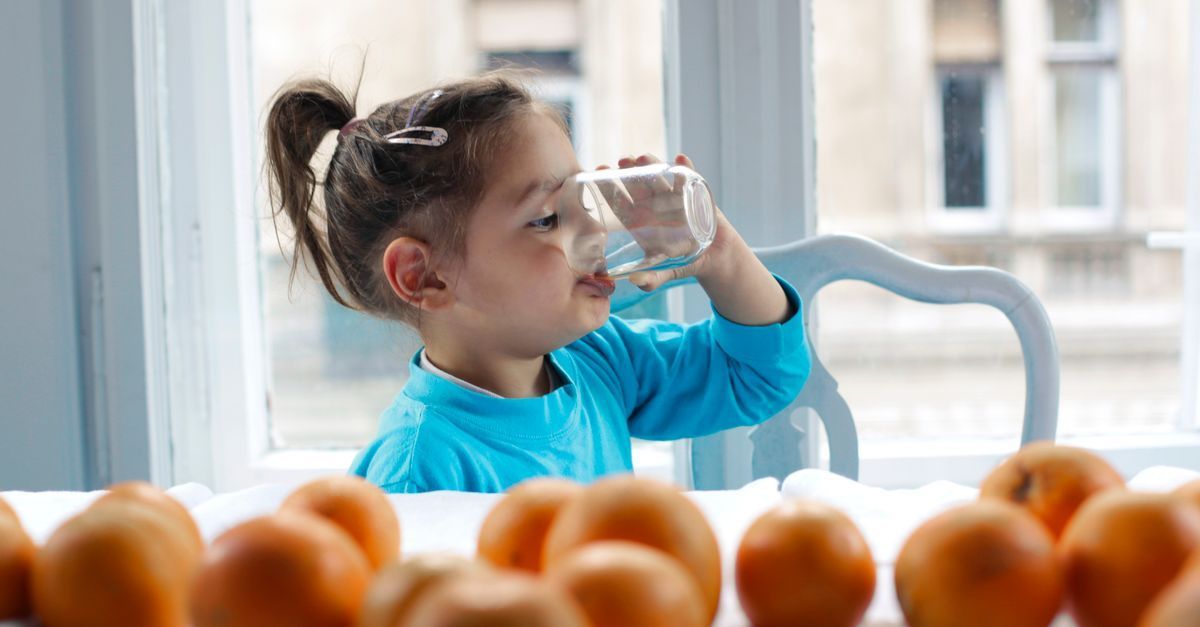
"Stomach flu" is the everyday name for viral gastroenteritis, an infection of the stomach and intestines unrelated to influenza. It spreads easily in daycare, schools and families through contaminated hands, surfaces and food. Children usually start with vomiting, followed by diarrhoea. The main risk is dehydration, especially in babies and toddlers.
Symptoms and when to see a doctor
- Vomiting that prevents keeping fluids down for several hours
- Frequent watery diarrhoea
- Fewer wet nappies or not urinating for 6–8 hours or more
- Dry mouth, no tears when crying, sunken eyes or soft spot
- Unusual sleepiness or irritability
Seek urgent care or call 119 for signs of significant dehydration, green (bile-stained) vomit, blood in stool, severe or constant tummy pain, a swollen belly, or a very young baby with vomiting.
What happens at the clinic
- History: how often vomiting and diarrhoea occur, fluid intake, urine output and contacts.
- Examination: hydration, abdomen, weight and temperature.
- Tests if needed: stool tests for rotavirus, norovirus or bacteria; blood tests if dehydration is significant.
- Treatment: oral rehydration plan; anti-nausea medicine for persistent vomiting in suitable children.
- IV fluids: many Korean pediatric clinics can give IV fluids for moderate dehydration; severe cases go to hospital.
- Home plan: how much to drink, when to return and when to go to emergency.
Recovery and home care
Give oral rehydration solution in small amounts every few minutes, such as a teaspoon or syringe for small children, increasing as tolerated. Continue breastfeeding. Avoid sugary drinks, juices and sports drinks, which can worsen diarrhoea. Once vomiting settles, offer normal bland foods; there is no need for prolonged restriction. Wash hands thoroughly and keep your child home from daycare until at least 48 hours after the last episode.
Risks and side effects
Dehydration is the main complication. Anti-diarrhoeal medicines such as loperamide are not recommended for young children. Rotavirus vaccination in infancy reduces severe illness.
Choosing a clinic for child stomach flu care in Seomyeon
- Ask whether the clinic can give IV fluids on-site if your child cannot keep fluids down.
- Ask for a written rehydration plan with amounts by weight.
- Ask which anti-nausea medicines are suitable for your child's age.
- Check opening hours for evening or weekend follow-up.
- Know which hospital to go to if your child worsens at night.
For travelling families
Oral rehydration sachets are sold in Korean pharmacies; ask for 경구수액제 or show this term. Seomyeon's pediatric clinics are easy to reach on Lines 1 and 2.
Key facts
- Common causes: norovirus, rotavirus, adenovirus; sometimes bacteria
- Symptoms: vomiting, watery diarrhoea, tummy cramps, mild fever
- Main treatment: oral rehydration solution in small, frequent sips
- Clinic options: hydration check, anti-nausea medicine, IV fluids for moderate dehydration
- Typical course: vomiting 1–2 days; diarrhoea up to about a week
- Antibiotics: usually not needed
- Urgent: signs of dehydration, blood in stool, green vomit, severe pain
Frequently asked questions
How long does stomach flu last in children?
Vomiting usually settles within one to two days, while diarrhoea can last up to about a week. Most children recover fully with good hydration.
What should my child drink during stomach flu?
Oral rehydration solution is best, given in small frequent sips. Continue breastfeeding. Avoid juice, soda and sports drinks, which contain too much sugar.
When does a child need IV fluids?
IV fluids are considered when a child cannot keep down oral fluids and shows signs of moderate to severe dehydration, such as very little urine, lethargy or sunken eyes.
Should my child eat during stomach flu?
Once vomiting settles, offer normal, easily digested foods in small portions. Long periods without food are not necessary and may slow recovery.
When can my child go back to daycare?
Usually 48 hours after the last episode of vomiting or diarrhoea, to reduce spread to other children.
Medical disclaimer: Seomyeon.Clinic is an independent information directory. Content is for general education and does not replace a consultation with a licensed physician. Suitability, risks, results and costs vary by person and clinic. In an emergency in Korea, call 119.