
IV Fluids for Dehydration in Seomyeon, Busan
IV fluids for dehydration deliver saline or balanced salt solutions directly into a vein when you cannot drink enough to replace fluid lost through vomiting, diarrhoea, fever or heat. In Seomyeon, many clinics provide IV drips (수액) after a brief assessment; a session usually takes about 30 minutes to 2 hours while you rest. Mild dehydration is usually best treated with oral rehydration.
Independent patient guide · Medically informative, not a substitute for a doctor's advice · Last reviewed:
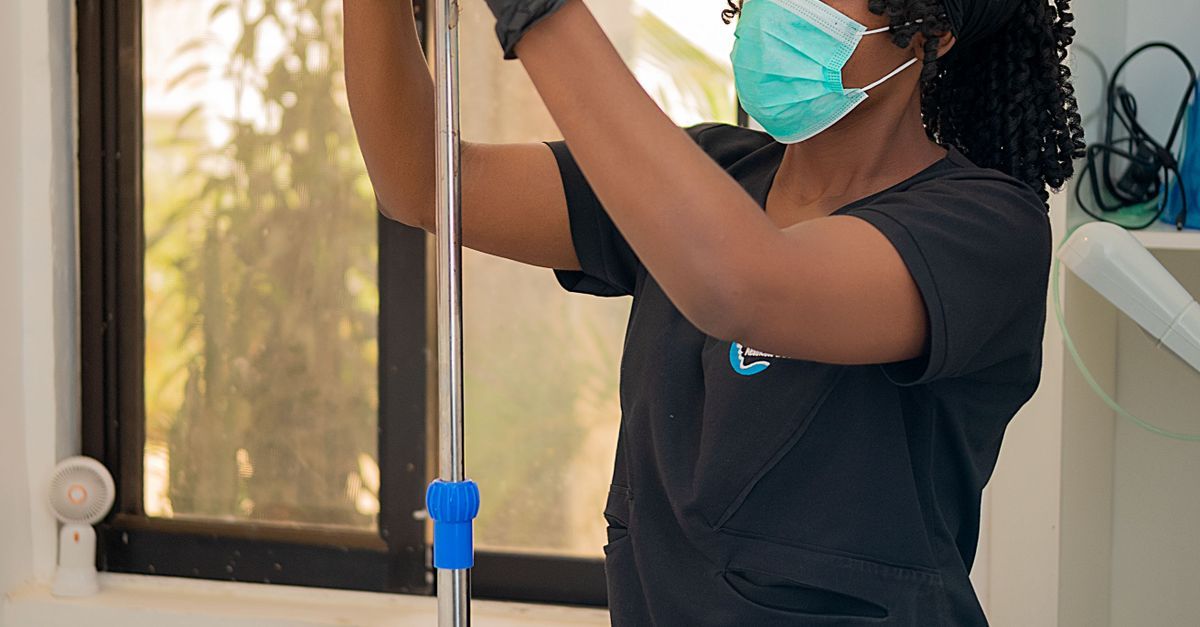
What are IV fluids?
Intravenous fluids are sterile solutions, typically normal saline or a balanced electrolyte solution, given through a thin tube in a vein. They restore fluid and salts quickly when the gut cannot absorb enough or vomiting prevents drinking. Anti-nausea medicine can be given through the same line. In Korea, IV drips are commonly offered at outpatient clinics, and some also offer vitamin-containing drips; for dehydration, standard fluids are what matter.
Signs of dehydration
- Thirst, dry mouth and lips
- Dark urine or passing very little urine
- Dizziness when standing, tiredness or headache
- Rapid heartbeat
- In children: fewer wet nappies, no tears, sunken eyes, unusual drowsiness
Who is it for?
- Adults with gastroenteritis or food poisoning who cannot keep fluids down
- People with heat exhaustion during hot, humid Busan summers
- Those who are dizzy or weak after prolonged vomiting or diarrhoea
Mild dehydration usually responds well to small, frequent sips of oral rehydration solution. IV fluids are for people who cannot drink enough or are more significantly dehydrated.
What happens at the clinic
- Assessment: symptoms, temperature, blood pressure, pulse and hydration signs.
- Tests if needed: blood tests for electrolytes or kidney function in more severe cases.
- IV insertion: a small cannula is placed in a vein in your hand or arm.
- Infusion: fluids run while you rest in a reclining chair or bed.
- Review: the doctor checks how you feel, and gives advice for the next 24–48 hours.
Aftercare
Continue drinking small amounts frequently, start bland foods gradually and rest. Return or seek urgent care if symptoms persist or worsen.
Risks and side effects
IV fluids are generally safe. Minor bruising, discomfort or swelling at the insertion site can occur. People with heart or kidney disease need careful fluid amounts. IV drips do not replace treatment of serious underlying causes.
Choosing a clinic for IV fluids in Seomyeon
- Choose a clinic where a doctor assesses you before the drip, not just a menu of drips.
- Ask whether anti-nausea medicine can be added if you are vomiting.
- Tell staff about heart or kidney conditions and medications.
- Ask about warning signs that need an ER.
- Request receipts and a diagnosis certificate for insurance if needed.
Local note
Many clinics around Seomyeon Station have recliner areas for drips. The station is served by Lines 1 and 2, so it is easy to get there and back to rest.
Key facts
- Korean term: 수액 (IV drip)
- Used for: moderate dehydration from vomiting, diarrhoea, fever, heat or hangover
- Session time: about 30 minutes to 2 hours
- First choice for mild cases: oral rehydration solution
- Assessment: vital signs, symptoms, sometimes blood tests
- Go to an ER: confusion, fainting, very low urine, severe pain or bloody stool
Frequently asked questions
When do I need IV fluids instead of drinking water?
When you cannot keep fluids down, are significantly dehydrated, or feel dizzy and weak despite trying to drink. Mild dehydration usually responds to oral rehydration.
How long does an IV drip take?
Typically about 30 minutes to 2 hours, depending on the volume and how you respond.
Are vitamin IV drips better for dehydration?
For dehydration, the key is fluid and salts. Added vitamins are not needed to treat dehydration itself.
Is an IV drip safe?
Generally yes when given after medical assessment. Bruising at the site is the most common side effect. People with heart or kidney disease need extra care.
Can I get IV fluids for heat exhaustion in Busan?
Yes, if you cannot rehydrate by mouth. Severe heat illness with confusion or very high temperature is an emergency; call 119.
Medical disclaimer: Seomyeon.Clinic is an independent information directory. Content is for general education and does not replace a consultation with a licensed physician. Suitability, risks, results and costs vary by person and clinic. In an emergency in Korea, call 119.