
General Practice & Family Medicine in Seomyeon, Busan
General practice and family medicine in Seomyeon covers everyday illnesses, minor injuries, prescriptions, medical certificates, vaccinations, travel health and ongoing care for chronic conditions. Most clinics near Seomyeon Station accept walk-ins; a typical visit takes 10–20 minutes, and prescriptions are filled at a separate pharmacy. Tourists can be seen and pay privately; residents enrolled in NHI pay a share.
What general practice covers
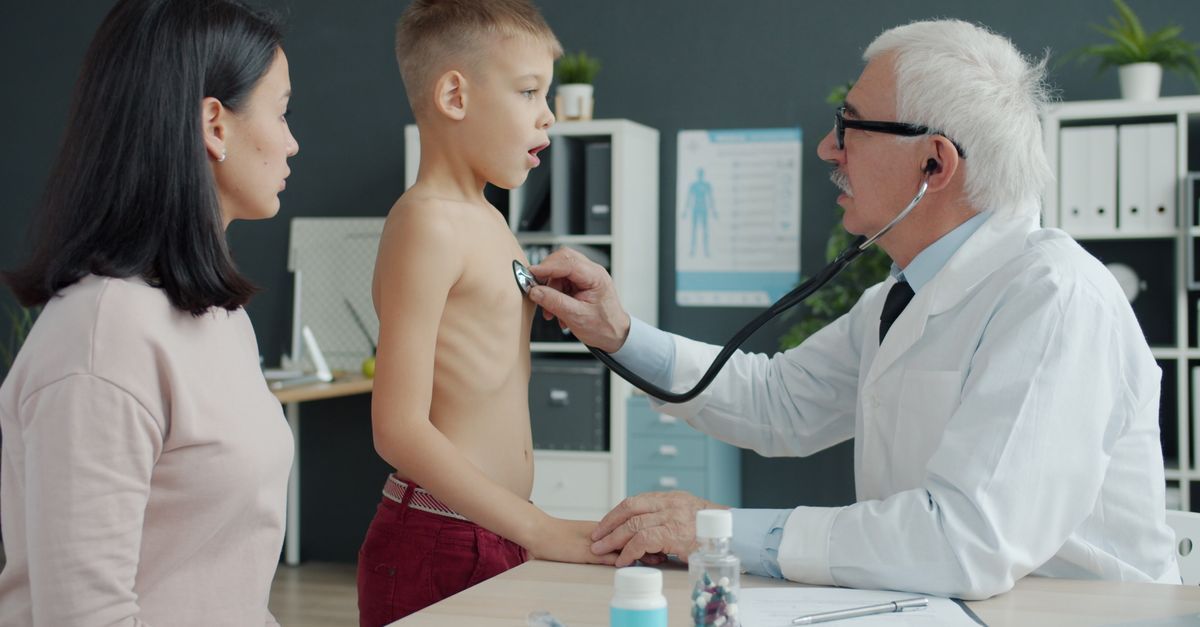
Family medicine (가정의학과) is a board-certified specialty in Korea focused on whole-person care for all ages. General and family medicine clinics treat colds, flu, stomach upsets, skin rashes, minor wounds and common infections; manage blood pressure, cholesterol and diabetes; provide vaccinations and health checks; and issue medical certificates. They also help you decide which specialist to see when needed.
Common reasons people visit in Seomyeon
- Sudden illness while working, studying or travelling in Busan
- Prescription refills for medicines brought from abroad
- Sick notes and certificates for work, school or insurance
- Tetanus shots, flu vaccines and pre-travel advice
- Food poisoning, dehydration and hives
- Finding an English-speaking doctor as a newcomer
How general clinics typically work in Korea
Korea has no gatekeeping system for most clinic visits: you can go directly to a general clinic or to a specialist clinic that matches your symptoms. Clinics are usually walk-in, first-come first-served, with many open on Saturday mornings and some offering evening hours. Doctors prescribe, and you collect medicines from an independent pharmacy (약국), often in the same building. Korea's National Health Insurance covers many medical treatments; foreigners staying six months or more are generally enrolled, while short-term visitors pay privately. For emergencies, call 119 or go to a hospital emergency room.
Tips for foreigners
- Carry your passport or alien registration card to register.
- Keep a short written summary of your conditions, medicines and allergies in English.
- Know the generic names of your medicines for refills.
- Ask for itemised receipts and certificates if you plan to claim travel insurance.
- Check clinic hours, including lunch breaks and holiday closures.
How to choose a general clinic
Look for a board-certified family medicine or internal medicine specialist, on-site basic tests such as blood work and ECG, and clear communication in a language you understand. A clinic you can return to for follow-up helps continuity. Seomyeon Station connects Busan Metro Lines 1 and 2, so it is a convenient base whether you live in the city or are visiting from Busan Station or the airport.
Treatment guides
- Family Doctor Visit
- English-Speaking Doctor
- Walk-In Clinic
- Weekend & Holiday Clinic
- Late-Night Clinic
- Medical Certificate
- Prescription Refill
- Minor Wound & Burn Care
- Stitches & Suture Removal
- Food Poisoning Treatment
- Hives (Urticaria) Treatment
- Tetanus Shot
- Smoking Cessation
- Sleep Problems Consultation
- Medical Care for Tourists
- Foreign Student Health Check
- IV Fluids for Dehydration
- Motion Sickness Prescription
- Pre-Travel Check-Up
- Medical Second Opinion
Frequently asked questions
Do I need an appointment to see a doctor in Seomyeon?
Most general clinics accept walk-ins during opening hours. Calling ahead can confirm hours, waiting times and whether English support is available.
Can tourists see a general doctor in Busan?
Yes. Tourists can visit clinics and pay privately. Bring your passport and request an itemised receipt and diagnosis certificate for travel insurance.
Is general practice covered by Korean National Health Insurance?
Korea's NHI covers many medical treatments for enrolled patients. Foreigners staying six months or more are generally enrolled; short-term visitors usually pay privately.
Where do I get my prescription filled?
At a separate pharmacy (약국), often in the same building or next door to the clinic. You pay the pharmacy separately.
What should I do in a medical emergency?
Call 119 or go to a hospital emergency room for chest pain, breathing difficulty, stroke signs, severe injury or heavy bleeding.
Medical disclaimer: Seomyeon.Clinic is an independent information directory. Content is for general education and does not replace a consultation with a licensed physician. In an emergency in Korea, call 119.