
Minor Wound & Burn Care in Seomyeon, Busan
Minor wound and burn care covers cleaning, closing and dressing small cuts, scrapes and superficial burns to prevent infection and support healing. In Seomyeon, general, family medicine and surgical clinics can usually see you the same day. A visit typically involves wound cleaning, closure with stitches, glue or strips if needed, a dressing, tetanus check and instructions for dressing changes.
Independent patient guide · Medically informative, not a substitute for a doctor's advice · Last reviewed:
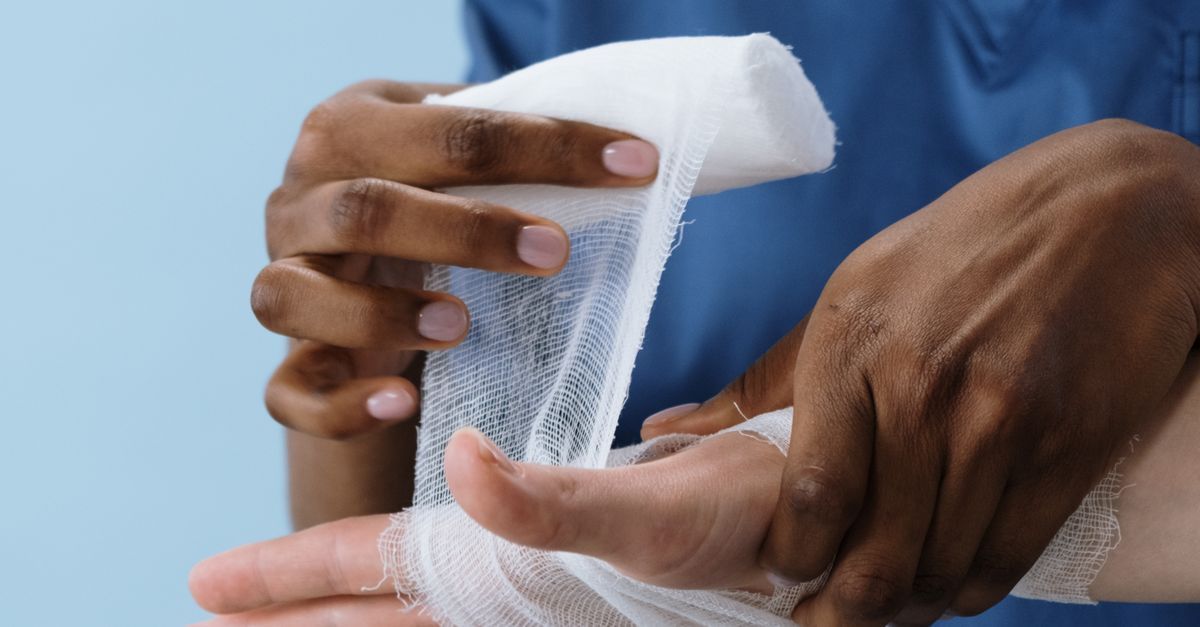
What is minor wound and burn care?
Small injuries are common in daily life and travel: kitchen cuts, falls on pavement, hot drinks, or motorbike exhaust burns. Proper early care lowers the risk of infection and scarring. Clinics in Korea, especially surgical (외과) and family medicine clinics, often handle wound closure and dressing changes, while large or complex wounds go to hospital emergency rooms.
First aid before the clinic
- Cuts: apply firm pressure with a clean cloth for 10 minutes; rinse with clean water.
- Burns: cool under running tap water for about 20 minutes; remove rings or tight items; do not apply ice, butter or toothpaste.
- Cover: use a clean, non-fluffy dressing or plastic wrap for burns.
When to seek care
- Cuts that gape, are deep, longer than about 1–2 cm, or on the face, hands or joints
- Bleeding that does not stop with pressure
- Burns larger than your palm, blistering burns on the face, hands, feet or genitals, or any deep burn
- Dirty wounds, animal or human bites
- Uncertain tetanus vaccination status
What happens at the clinic
- Assessment: depth, contamination, nerve and tendon function are checked.
- Cleaning: the wound is irrigated and debris removed, with local anesthesia if needed.
- Closure: stitches, skin glue or adhesive strips for cuts; burns are dressed with suitable ointment or advanced dressings.
- Tetanus and antibiotics: a tetanus booster may be given; antibiotics are reserved for high-risk wounds.
- Follow-up: dressing changes and, for sutures, removal after several days to two weeks depending on location.
Aftercare
Keep the wound clean and dry as instructed, change dressings on schedule and protect healing skin from the sun to reduce scarring. Watch for infection: increasing redness, swelling, warmth, pus, red streaks or fever.
Choosing a clinic for wound care in Seomyeon
- For cuts needing stitches, a surgical or family medicine clinic is a good choice.
- Ask whether facial wounds can be closed with fine sutures to minimise scarring, or whether a plastic surgery clinic is better.
- Ask about the dressing change schedule and home care supplies.
- Check whether tetanus vaccine is available on-site.
- Ask where to go after hours if the wound worsens.
Quick access
Clinics around Seomyeon Station can often see minor injuries promptly; the station links Busan Metro Lines 1 and 2.
Key facts
- Treats: small cuts, lacerations, abrasions, superficial burns, minor bites
- Stitches: best within several hours for most cuts
- Burn first aid: cool running water for about 20 minutes
- Tetanus: booster may be needed depending on vaccination history
- Dressing changes: often every 1–3 days at clinic or home
- Go to an ER: deep, gaping or heavily bleeding wounds, large or facial/hand burns, animal bites with deep punctures
Frequently asked questions
How soon do I need stitches after a cut?
Ideally within several hours. Some clean wounds can be closed later, but the risk of infection rises with time, so seek care promptly.
What should I put on a minor burn?
Cool it under running water for about 20 minutes, then cover with a clean dressing. Avoid ice, butter, toothpaste or popping blisters.
Do I need a tetanus shot for a cut?
It depends on the wound and your vaccination history. Many adults need a booster if their last dose was over 5–10 years ago.
How do I know if my wound is infected?
Look for increasing redness, swelling, warmth, pus, red streaks or fever. See a doctor promptly if these appear.
Which wounds need the emergency room?
Deep or gaping wounds, uncontrolled bleeding, large or deep burns, burns on the face or hands, and deep animal bites should be seen at an ER.
Medical disclaimer: Seomyeon.Clinic is an independent information directory. Content is for general education and does not replace a consultation with a licensed physician. Suitability, risks, results and costs vary by person and clinic. In an emergency in Korea, call 119.