
Stitches & Suture Removal in Seomyeon, Busan
Stitches and suture removal is a quick clinic procedure to take out non-dissolvable sutures once a wound has healed enough. In Seomyeon, general, family medicine and surgical clinics can usually remove stitches in a 5–15 minute visit, including a wound check. Timing depends on location: typically about 5–7 days for the face and 7–14 days for the body and limbs.
Independent patient guide · Medically informative, not a substitute for a doctor's advice · Last reviewed:
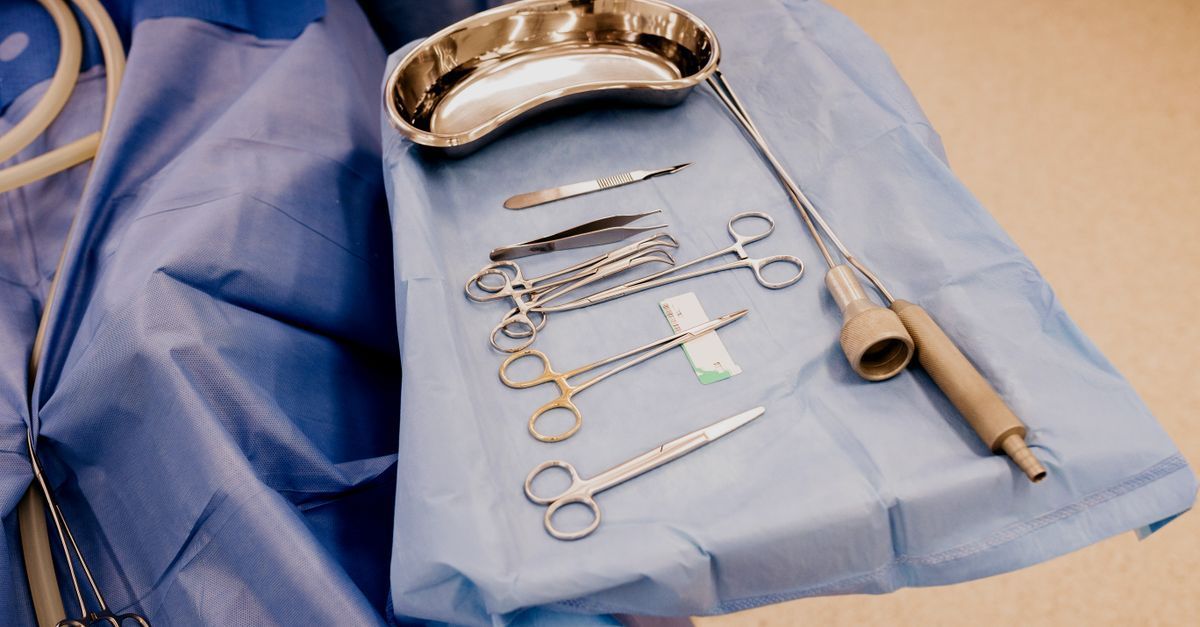
What is suture removal?
Sutures hold wound edges together while the skin heals. Non-absorbable stitches must be removed: too early and the wound may reopen; too late and stitch marks or infection risk increase. Some stitches dissolve on their own, and staples need a special remover. A clinic can remove stitches placed elsewhere, including surgery done in another city or country, as long as healing looks appropriate.
Who is it for?
- People who had cuts stitched at an ER or clinic
- Patients recovering from minor surgery or mole removal
- Medical travellers whose surgical clinic is far from where they are staying
- Anyone unsure whether their stitches are ready to come out
What happens at the clinic
- History: when and where the stitches were placed, and any instructions you received.
- Wound check: the doctor confirms the edges are joined and there is no infection.
- Removal: each stitch is lifted, snipped and pulled out gently with sterile instruments.
- Support: adhesive strips may be applied to protect the healing line.
- Advice: care and scar-prevention guidance is given.
Aftercare
The wound is still fragile for several weeks. Avoid stretching or heavy strain on the area, keep it clean, and protect it from the sun with clothing or sunscreen once fully closed. Silicone gel or sheets may help scar appearance. Mild pinkness is normal and fades over months.
Risks and side effects
Removal is generally painless, with a slight tugging feeling. The wound may reopen if stitches are removed too early or the area is under tension. Signs of infection such as spreading redness, pus or fever need medical review.
Choosing a clinic for stitches removal in Seomyeon
- Bring any discharge notes stating the type of suture and recommended removal date.
- For facial or cosmetic surgery stitches, ask whether you should return to the original surgeon or a dermatology or plastic surgery clinic.
- Ask whether staples can also be removed if you have them.
- Ask about scar care products suitable for your skin.
- If the wound looks unusual, ask whether a follow-up visit is needed.
Quick stop
Stitch removal is fast and often possible without an appointment at clinics around Seomyeon Station, convenient for travellers on Lines 1 and 2.
Key facts
- Face: often about 5–7 days
- Scalp and trunk: often about 7–10 days
- Arms, legs, hands, joints: often about 10–14 days
- Procedure time: usually 5–15 minutes
- Anesthesia: not needed
- Bring: discharge notes from the original doctor, if available
Frequently asked questions
When should my stitches come out?
It depends on location: often about 5–7 days on the face, 7–10 days on the scalp or trunk, and 10–14 days on limbs or over joints. Follow your doctor's advice.
Does stitch removal hurt?
Usually not. Most people feel a slight tug as each stitch is pulled through. No anesthesia is needed.
Can any clinic remove my stitches?
Most general, family medicine and surgical clinics can remove routine stitches, including those placed elsewhere. For cosmetic surgery, check with your surgeon first.
Can I remove stitches myself?
It is not recommended. A clinic can check healing, remove stitches safely and spot early infection.
What if my wound opens after stitches are removed?
Cover it with a clean dressing and see a doctor promptly. Small gaps may be closed with adhesive strips; larger ones need assessment.
Medical disclaimer: Seomyeon.Clinic is an independent information directory. Content is for general education and does not replace a consultation with a licensed physician. Suitability, risks, results and costs vary by person and clinic. In an emergency in Korea, call 119.