
IV Vitamin Therapy in Seomyeon, Busan
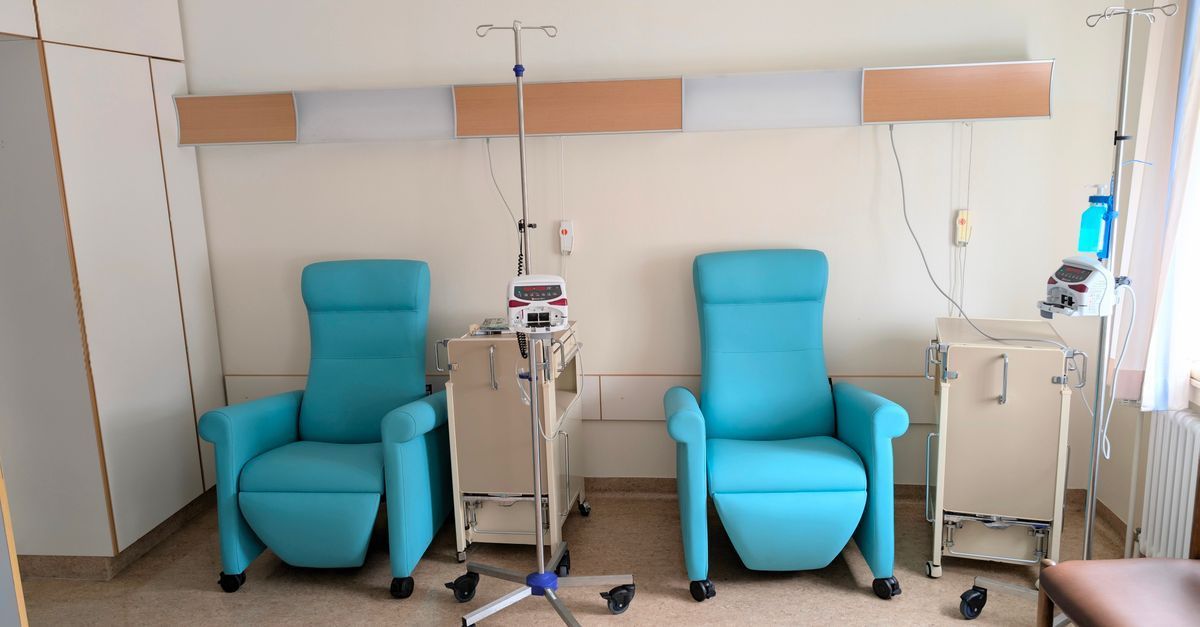
IV vitamin therapy delivers fluids, vitamins and minerals directly into a vein through a drip. Many internal medicine clinics in Seomyeon offer it: after a brief health check, you rest in a recliner for roughly 20–60 minutes while the infusion runs. It treats proven deficiencies or dehydration effectively, but evidence for general wellness benefits in healthy people is limited.
Independent patient guide · Medically informative, not a substitute for a doctor's advice · Last reviewed:
What is IV vitamin therapy?
An intravenous (IV) drip delivers nutrients straight into the bloodstream, bypassing the gut. In Korean clinics, nutrient drips (영양주사) are a familiar service, with popular formulations including vitamin B1 derivative drips, nicknamed garlic injections (마늘주사) for their brief garlicky taste, high-dose vitamin C, and mixed multivitamin or mineral drips. Clinics may market them for fatigue, immunity, skin or recovery after illness.
IV nutrients are genuinely useful when someone is dehydrated, cannot eat or keep fluids down, or has a deficiency that oral supplements cannot correct. For healthy people eating a normal diet, good-quality evidence of extra benefit is limited, and the kidneys simply excrete much of the excess water-soluble vitamins.
Who is it for?
- People recovering from vomiting, diarrhea or a fever who are mildly dehydrated
- Patients with documented deficiencies or conditions that limit absorption
- Adults seeking a wellness drip who understand the limited evidence and have no contraindications
It is not a substitute for investigating persistent tiredness, which may come from anemia, thyroid disease, diabetes, sleep problems or depression.
What happens at the clinic
- Consultation: the doctor reviews your symptoms, medicines, allergies, and heart and kidney health.
- Choosing a formula: ask exactly what is in the bag and why each ingredient is included.
- Cannula: a nurse places a small catheter in a vein in your arm or hand.
- Infusion: you rest while the drip runs, usually 20–60 minutes; staff check on you periodically.
- Finish: the cannula is removed and a small dressing applied.
Recovery and aftercare
You can usually return to normal activities straight away. Keep pressure on the site for a few minutes to avoid bruising. Bright yellow urine afterwards is normal with B vitamins. If you were treated for dehydration, keep drinking fluids.
Risks and side effects
Possible problems include bruising, vein irritation, infection at the needle site and, rarely, allergic reactions. Large fluid volumes can be unsafe for people with heart failure or kidney disease. High-dose vitamin C is not appropriate for people with G6PD deficiency or a history of kidney stones. Report pain, swelling or redness along the vein.
Choosing a clinic for IV therapy in Seomyeon
- Choose a clinic where a doctor assesses you before the drip, not just a menu at reception.
- Ask for the full ingredient list and doses in writing.
- Check that sterile, single-use equipment is used and that staff are trained to manage reactions.
- Be cautious of claims about detox, cancer prevention or weight loss.
- If you plan regular drips, ask whether blood tests will check whether you need them.
For visitors
Drip rooms are common in clinics around Seomyeon, Busan's busy downtown hub, and many accept walk-ins. Mention any medical conditions clearly, using a translation app if needed.
Key facts
- Used for: dehydration, documented vitamin deficiencies, poor oral intake; also offered for fatigue and wellness
- Session time: about 20–60 minutes
- Common ingredients: saline, B vitamins, vitamin C, magnesium, sometimes glutathione
- Screening: brief history, blood pressure; blood tests advisable for repeat use
- Downtime: none; possible bruising at the needle site
- Evidence: strong for deficiency and dehydration, limited for healthy people
- Typical NHI coverage: elective wellness drips are not covered
Frequently asked questions
Do IV vitamin drips actually work?
They work well for treating dehydration and proven deficiencies. For healthy people with a normal diet, evidence of extra benefits for energy, immunity or skin is limited. Many people report feeling better, partly from fluids and rest.
How long does an IV vitamin drip take?
Most sessions take about 20 to 60 minutes, depending on the volume and ingredients. Add a few minutes for consultation and cannula placement.
What is a garlic injection in Korea?
It is a popular Korean nickname for a drip containing a vitamin B1 (thiamine) derivative. It does not contain garlic; the name comes from a brief garlic-like taste or smell some people notice during the infusion.
Is IV vitamin therapy safe?
It is generally safe when a doctor screens you first and sterile technique is used. It may not suit people with heart failure, kidney disease or certain enzyme deficiencies. Always disclose your medical history and medicines.
Is IV vitamin therapy covered by insurance?
Elective wellness drips are not covered by Korea's National Health Insurance and are paid out of pocket. Fluids given to treat a medical condition such as dehydration may be handled differently; ask the clinic.
Medical disclaimer: Seomyeon.Clinic is an independent information directory. Content is for general education and does not replace a consultation with a licensed physician. Suitability, risks, results and costs vary by person and clinic. In an emergency in Korea, call 119.