
Postpartum Recovery (Korean Medicine) in Seomyeon, Busan
Postpartum recovery with Korean medicine draws on the Korean tradition of sanhujori (산후조리), postnatal rest and recovery, using acupuncture, moxibustion, herbal medicine and Chuna for joint pain, fatigue and swelling after childbirth. In Seomyeon, Korean medicine clinics usually start after the early postnatal weeks. Evidence is limited, and breastfeeding safety and medical postnatal checks must come first.
Independent patient guide · Medically informative, not a substitute for a doctor's advice · Last reviewed:
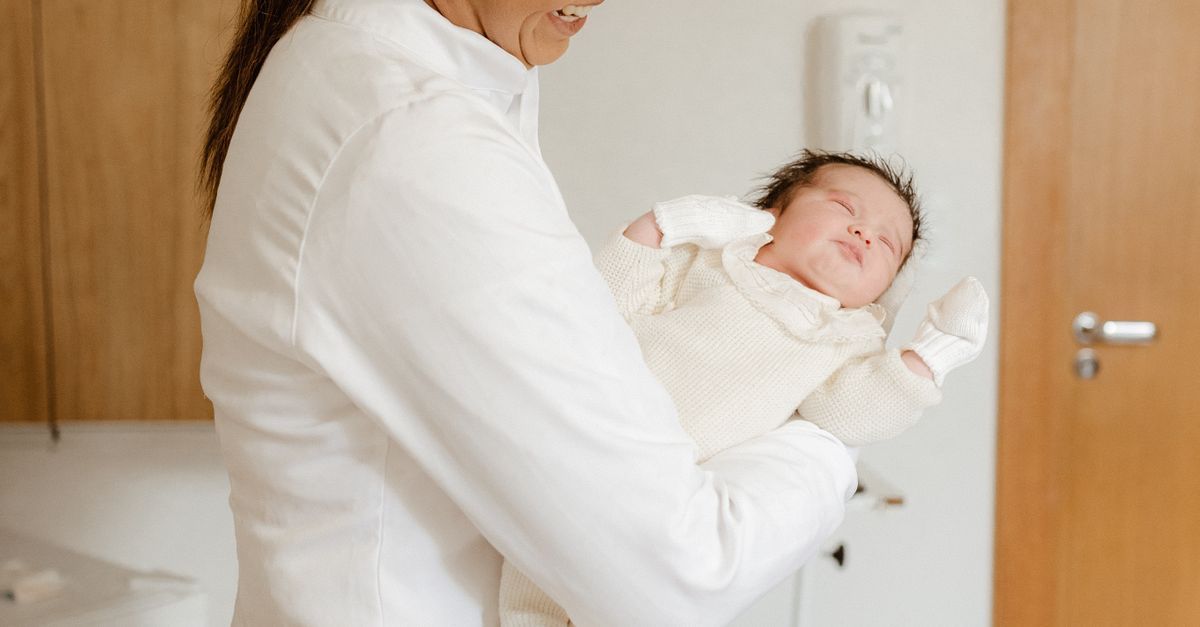
What is Korean medicine postpartum care?
In Korea, postnatal recovery (산후조리) is culturally important, and many mothers stay at postnatal care centres (산후조리원) for the first weeks. Korean medicine contributes treatments aimed at restoring energy, easing joint and muscle pain, reducing swelling and supporting general recovery. Traditional ideas include keeping warm and avoiding cold. Common complaints include wrist and thumb pain from lifting the baby (often de Quervain's tenosynovitis), back and pelvic pain, and fatigue.
Who is it for?
- Mothers with musculoskeletal pain after childbirth
- Those with fatigue or swelling who want a complementary approach
- Women who have had their postnatal medical check and been cleared
Contact your obstetrician or seek emergency care for heavy bleeding, fever, severe abdominal pain, leg swelling with pain, chest pain or breathlessness, severe headache or vision changes. Persistent low mood, anxiety or thoughts of harming yourself or your baby need prompt medical and mental health care.
What happens at the clinic
- Consultation: delivery details, recovery, breastfeeding, sleep and mood.
- Medical status check: confirmation that obstetric follow-up is complete or arranged.
- Acupuncture and moxibustion: for pain, swelling and general recovery.
- Gentle Chuna: for pelvic and back pain, adjusted for postpartum ligament laxity.
- Herbal medicine: traditional postpartum formulas, only if compatible with breastfeeding.
- Self-care advice: rest, nutrition, gentle movement and baby-handling posture.
Treatment outlook
Many mothers report feeling better with rest, support and treatment, though much of postpartum recovery happens naturally over weeks to months. Research on Korean medicine postpartum treatments is limited, mostly small studies. Pelvic floor training and physiotherapy have good evidence for some postpartum problems and can be combined.
Risks and side effects
Some herbs pass into breast milk; safety data are limited for many ingredients, so ask your Korean medicine doctor and paediatrician. Manual therapy should be gentle while ligaments remain lax. Acupuncture is generally safe with minor bruising possible.
Choosing a clinic for postpartum care in Seomyeon
- Tell the clinic you are breastfeeding and ask about herbal safety.
- Ask for ingredient lists to share with your obstetrician or paediatrician.
- Ask whether they can treat you with your baby nearby if needed.
- Ask about gentle techniques for pelvic and back pain.
- Ensure they encourage medical follow-up and mental health support.
Local note
Seomyeon's clinics are accessible by Metro Lines 1 and 2; elevators help with strollers. Many clinics are used to visits from new mothers.
Key facts
- Tradition: sanhujori (산후조리), postnatal care and rest
- Common concerns: joint and back pain, wrist pain, fatigue, swelling, cold sensitivity
- Methods: acupuncture, moxibustion, herbal medicine, gentle Chuna
- Timing: often after the first postnatal weeks; follow your obstetrician's advice
- Breastfeeding: herbal medicine safety must be confirmed
- Medical checks: postnatal obstetric visit and screening for postpartum depression
- Coverage: acupuncture may be covered; herbal medicine usually self-pay
Frequently asked questions
What is sanhujori?
Sanhujori is the Korean tradition of postnatal rest and recovery, emphasising warmth, nutrition and rest in the weeks after birth, often at postnatal care centres.
Is Korean herbal medicine safe while breastfeeding?
Safety data are limited for many herbs, and some may pass into breast milk. Discuss with your Korean medicine doctor and paediatrician before taking any herbal medicine.
When can I start acupuncture after giving birth?
Many clinics start after the first postnatal weeks, once you have recovered from delivery. Follow your obstetrician's advice, especially after a caesarean section.
Can Korean medicine help postpartum wrist pain?
Acupuncture may ease pain for some mothers, but evidence is limited. Splints, posture changes and medical injections are also options for de Quervain's tenosynovitis.
Is postpartum Korean medicine covered by insurance?
Basic acupuncture is generally covered by National Health Insurance for enrolled patients. Postpartum herbal medicines are usually self-pay.
Medical disclaimer: Seomyeon.Clinic is an independent information directory. Content is for general education and does not replace a consultation with a licensed physician. Suitability, risks, results and costs vary by person and clinic. In an emergency in Korea, call 119.