
Postpartum Weight Loss in Seomyeon, Busan
Postpartum weight loss (산후 다이어트) is gradual, medically guided weight reduction after childbirth that protects recovery, milk supply and energy levels. In Seomyeon, Busan, a clinic visit typically reviews delivery history, breastfeeding status, thyroid and iron levels and abdominal muscle separation, then builds a nutrition and activity plan. A gentle pace of about 0.5 kg per week is commonly advised while breastfeeding.
Independent patient guide · Medically informative, not a substitute for a doctor's advice · Last reviewed:
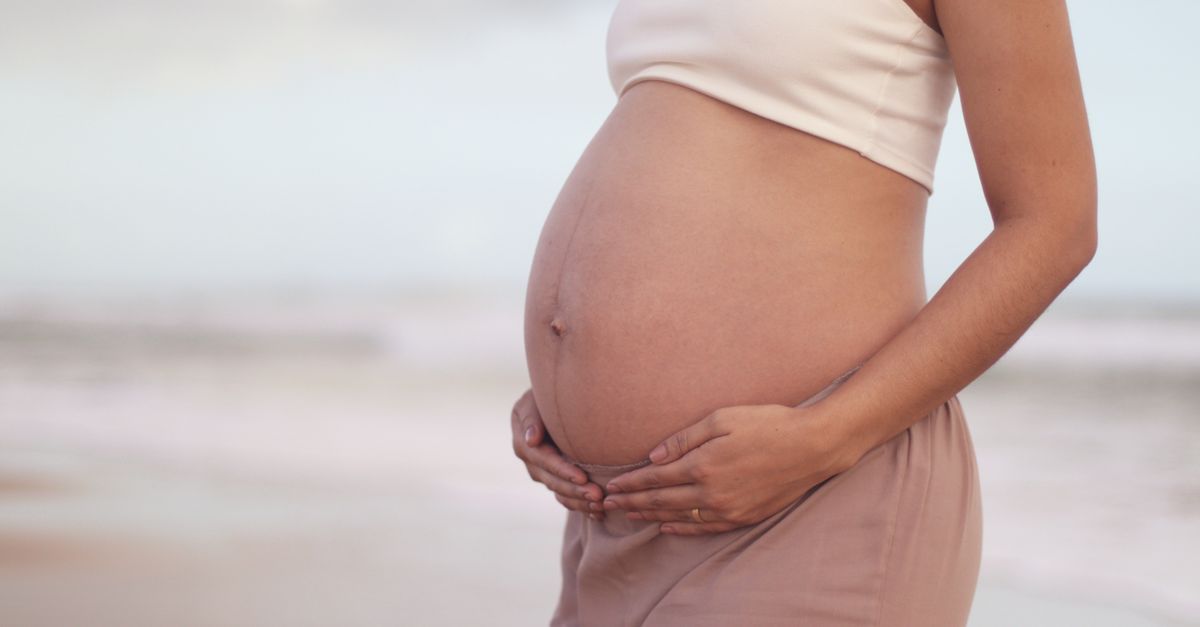
What is postpartum weight loss?
After birth, some weight is lost quickly (baby, placenta, fluid), but the rest often takes months. Sleep deprivation, irregular meals, stress and reduced activity make it harder. A medical approach focuses on recovery first: healing, energy, mood and, if breastfeeding, adequate nutrition for milk production. Korean postpartum culture (산후조리) emphasises rest and warm, nourishing foods in the first weeks, which can coexist with a gradual plan afterwards.
Who is it for?
- Women several weeks or more after birth who have been cleared by their obstetrician
- Those with weight retained from pregnancy affecting health or comfort
- Women with gestational diabetes, who have higher future diabetes risk
Persistent low mood, anxiety or thoughts of self-harm are signs of postpartum depression and need prompt care before or alongside any weight plan. Heavy bleeding, fever or wound problems should be addressed by your obstetrician.
What happens at the clinic
- History: pregnancy weight gain, delivery type, complications, breastfeeding and sleep.
- Checks: weight, waist, body composition, blood tests for anemia, thyroid and blood sugar as indicated.
- Abdominal assessment: checking for diastasis recti (separation of abdominal muscles).
- Plan: balanced meals with enough protein, calcium, iron and fluids; realistic snack strategies.
- Activity: walking, pelvic floor exercises and a gradual return to core and strength training.
- Follow-up: regular check-ins adjusted to baby's routine.
Treatment outlook
Many women return close to pre-pregnancy weight within 6–12 months with gradual changes. Breastfeeding can help some women but not all. If weight remains high after breastfeeding ends, medication may become an option. Abdominal skin laxity or muscle separation that persists may later be addressed with physiotherapy or, once family planning is complete, surgery.
Risks and considerations
- Very low-calorie diets can reduce milk supply and energy
- Many weight-loss medications are not recommended during breastfeeding
- High-impact exercise too early can strain the pelvic floor
- Untreated thyroid problems or anemia can hinder progress
Choosing a clinic for postpartum weight loss in Seomyeon
- Choose a physician who coordinates with your obstetric care.
- Ask that all advice be checked for breastfeeding safety.
- Ask whether pelvic floor or diastasis assessment is included or can be referred.
- Ask about screening for postpartum thyroid issues and mood.
- Look for flexible scheduling around infant care.
Practical access
Seomyeon's clinics are a short ride on Line 1 or Line 2, and many are close to obstetrics and rehabilitation clinics for coordinated care.
Key facts
- Timing: gentle activity soon after birth as advised; structured weight loss usually after the postpartum check
- Breastfeeding: extra energy needs; avoid very low-calorie diets
- Checks: iron/anemia, thyroid (postpartum thyroiditis), blood sugar after gestational diabetes, mood
- Exercise: walking, pelvic floor training, gradual core rehab for diastasis recti
- Medication: most anti-obesity drugs are not used while breastfeeding
- Typical pace: about 0.5 kg per week while nursing
- Procedures: body contouring usually deferred until weight is stable
Frequently asked questions
When can I start losing weight after giving birth?
Gentle walking can often begin soon after birth if your doctor agrees. Structured weight loss is usually started after the postpartum check, typically around six weeks, once healing is on track.
Can I diet while breastfeeding?
Yes, gently. A modest calorie reduction with nutrient-rich foods and plenty of fluids is generally safe. Very low-calorie diets can reduce milk supply and energy, so aim for gradual loss.
Can I take weight loss medication while breastfeeding?
Most anti-obesity medications are not recommended during breastfeeding. Your doctor may suggest focusing on nutrition and activity until breastfeeding ends, then reassess options.
What is diastasis recti?
It is a separation of the abdominal muscles along the midline after pregnancy, causing a bulge. Targeted physiotherapy often helps. Persistent separation may be repaired surgically, usually after completing family planning.
How long does it take to lose baby weight?
It varies widely. Many women return close to pre-pregnancy weight within 6–12 months, but some take longer. Sleep, breastfeeding, stress and health conditions all play a role.
Medical disclaimer: Seomyeon.Clinic is an independent information directory. Content is for general education and does not replace a consultation with a licensed physician. Suitability, risks, results and costs vary by person and clinic. In an emergency in Korea, call 119.