
Obesity & Weight Loss in Seomyeon, Busan
Obesity and weight loss care in Seomyeon includes doctor-led weight programs, body composition and metabolic testing, nutrition counselling, prescription medications such as Wegovy, Saxenda and Mounjaro, non-surgical body contouring, and referral for bariatric surgery. Seomyeon's central clinics typically start with measurements and blood tests, then follow up every few weeks. Long-term maintenance planning is a key part of care.
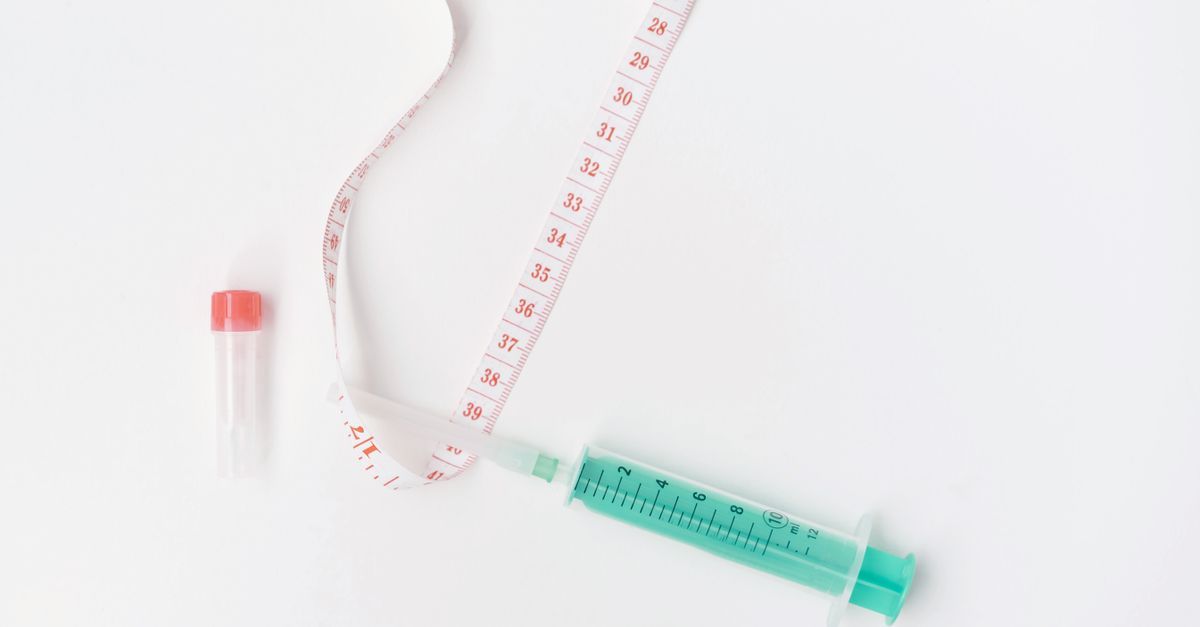
What does obesity and weight loss care cover?
Obesity medicine treats excess body fat as a chronic condition that affects blood pressure, blood sugar, cholesterol, liver health, sleep, joints and mood. Care in Seomyeon spans:
- Assessment: BMI, waist circumference, InBody body composition, metabolic rate testing and blood tests.
- Lifestyle treatment: nutrition counselling, activity planning and behavioural support, including help for binge eating.
- Medication: GLP-1-based injections and oral anti-obesity medicines when appropriate.
- Body contouring: fat-dissolving injections, cryolipolysis, HIFU, cellulite and calf or chin treatments for localised concerns.
- Surgery referral: bariatric consultation for severe obesity.
- Special groups: postpartum weight management and family-based childhood obesity care.
Common reasons people visit
- Weight gain affecting health markers found at a check-up
- Interest in GLP-1 medications
- Stubborn fat areas despite healthy weight
- Weight regain after previous diets
- Weight retained after pregnancy
How weight clinics in Korea typically work
- Types of clinics: family medicine and internal medicine clinics, dedicated obesity clinics, and aesthetic clinics offering body contouring. Endocrinologists manage hormone-related and diabetes cases.
- Korean criteria: obesity is commonly defined from BMI 25 in Korea, reflecting higher metabolic risk at lower weights in Asian populations.
- Appointments: many clinics see walk-ins for first consultations; programs involve scheduled follow-ups.
- Coverage: tests for related conditions may be covered by National Health Insurance for enrollees, while many obesity medications and body-contouring treatments are paid privately.
Tips for foreigners
- Bring a list of medicines and any previous test results.
- Ask whether the clinic can provide nutrition advice adapted to both Korean and home-country foods.
- Plan for medication supply and cold storage if you travel.
- Be cautious of unregulated injections or supplements promising rapid loss.
- Seek urgent care (119) for severe abdominal pain or dehydration on GLP-1 medication.
How to choose a clinic
Look for a physician who measures health risks, explains all options honestly, and plans for maintenance as well as loss. Ask how muscle mass is protected and how side effects are handled. With Seomyeon Station connecting Lines 1 and 2, regular follow-ups are convenient from most of Busan.
Treatment guides
- Medical Weight Loss Program
- Weight Loss Medication
- Wegovy Consultation
- Saxenda Consultation
- Mounjaro Consultation
- Body Composition (InBody) Analysis
- Fat-Dissolving Injections
- Cryolipolysis (Fat Freezing)
- HIFU Body Contouring
- Cellulite Treatment
- Metabolic Rate Test
- Nutrition Counseling
- Obesity Medicine Clinic
- Postpartum Weight Loss
- Childhood Obesity Care
- Double Chin Reduction
- Calf Reduction (Non-Surgical)
- Bariatric Surgery Consultation
- Binge Eating Support
- Weight Maintenance Program
Frequently asked questions
Can I get Wegovy or Mounjaro in Seomyeon?
GLP-1-based medicines are prescribed by doctors in Korea after assessment. Availability of specific products can vary, so ask the clinic which options they can prescribe and how follow-up will work.
Is weight loss treatment covered by insurance in Korea?
Tests for related conditions such as diabetes or high cholesterol may be covered for National Health Insurance enrollees, but many anti-obesity medications, programs and body-contouring treatments are paid privately. Ask the clinic before starting.
What BMI is considered obese in Korea?
Korean guidelines commonly define obesity from a BMI of 25, lower than many Western thresholds, because health risks rise at lower weights in Asian populations. Waist circumference is also considered.
Do body contouring treatments help with weight loss?
No. Fat freezing, injections and HIFU target small, localised fat areas in people near a stable weight. They do not replace medical weight management for obesity.
How do I avoid regaining weight?
Plan for maintenance early: keep regular check-ins, weigh yourself often, prioritise protein and strength training, manage sleep and stress, and discuss medication continuation with your doctor.
Medical disclaimer: Seomyeon.Clinic is an independent information directory. Content is for general education and does not replace a consultation with a licensed physician. In an emergency in Korea, call 119.