
Metabolic Rate Test in Seomyeon, Busan
A metabolic rate test (기초대사량 측정) measures how many calories your body burns at rest, usually by indirect calorimetry, breathing into a mask or mouthpiece while a device analyses oxygen use. In Seomyeon, Busan, the test typically takes about 10–20 minutes after a short rest, ideally fasting in the morning. Results help set personalised calorie targets and explain weight-loss plateaus.
Independent patient guide · Medically informative, not a substitute for a doctor's advice · Last reviewed:
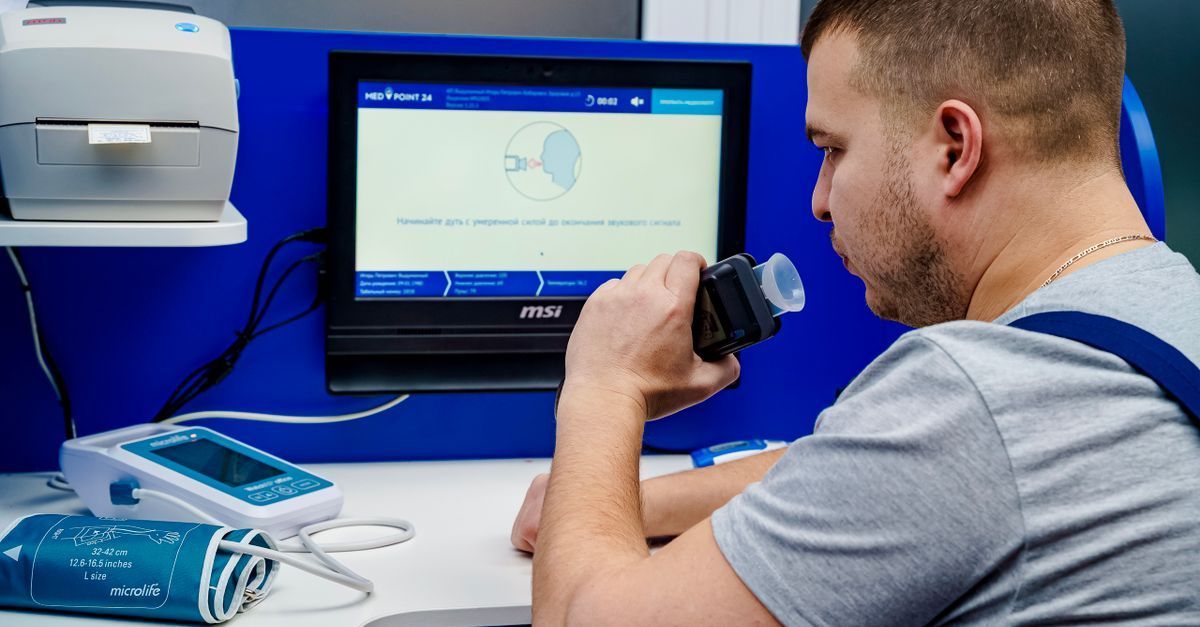
What is a metabolic rate test?
Your resting metabolic rate (RMR) is the energy your body uses at rest to keep organs working, and it accounts for the largest share of daily calorie use for most people. It is commonly estimated from formulas based on weight, height, age and sex, but these can be off by a meaningful margin for individuals. Indirect calorimetry measures it more directly by analysing the oxygen you consume (and often carbon dioxide you produce) while relaxed.
Who is it for?
- People in a weight-loss program who want precise calorie targets
- Those whose weight loss has stalled despite consistent effort
- People with unusual body composition, such as high muscle mass
- Patients recovering from restrictive dieting
A low metabolic rate is rarely the sole cause of weight gain. Fatigue, cold intolerance, constipation or hair changes suggest checking thyroid function, which is a blood test, not a calorimetry test.
What happens at the clinic
- Preparation: usually fast for several hours, avoid caffeine, nicotine and exercise beforehand, and arrive rested.
- Rest period: you lie or sit quietly for a short time to reach a steady state.
- Measurement: you breathe normally through a mouthpiece with nose clip, or under a canopy or mask, for about 10–20 minutes.
- Results: the device calculates calories burned per day at rest.
- Interpretation: the doctor or dietitian combines results with activity level to set daily targets.
Using the results
Knowing your measured RMR helps avoid eating too little, which can increase muscle loss and fatigue, or too much, which stalls progress. After significant weight loss, RMR typically decreases, partly because the body is smaller and partly due to adaptation. Re-testing can help adjust plans for maintenance. Strength training that preserves muscle helps support metabolic rate.
Limitations
- Results vary with recent meals, caffeine, stress, illness, menstrual cycle and sleep
- Device type and technique affect accuracy
- Measures resting energy only, not activity calories
- Does not diagnose thyroid or hormonal disease on its own
Choosing a clinic for metabolic rate testing in Seomyeon
- Ask whether the clinic uses true indirect calorimetry or a formula-based estimate.
- Ask for clear preparation instructions.
- Ask how results will be translated into a nutrition plan.
- Ask whether thyroid or other blood tests are recommended alongside.
- Consider re-testing on the same device after major weight change.
Booking tip
Morning appointments make fasting easier. Clinics around Seomyeon Station are convenient for an early test before work.
Key facts
- Measures: resting metabolic rate (RMR) or resting energy expenditure
- Method: indirect calorimetry (oxygen consumption, sometimes CO2 output)
- Test time: about 10–20 minutes of measurement after rest
- Preparation: fasting, no caffeine, no exercise beforehand
- Related tests: thyroid function, body composition, blood sugar
- Use: guides calorie targets, helps assess metabolic adaptation
- Typical cost type: often paid privately
Frequently asked questions
What is resting metabolic rate?
Resting metabolic rate is the number of calories your body uses at rest to maintain basic functions like breathing, circulation and temperature. It typically makes up the largest part of daily energy use.
How should I prepare for a metabolic rate test?
Usually fast for several hours, avoid caffeine, nicotine and exercise beforehand, sleep normally and arrive relaxed. Follow your clinic's specific instructions, as protocols vary.
Can a slow metabolism stop me losing weight?
Metabolic rate varies between people and decreases with weight loss, which can slow progress. However, it is rarely the only reason. Measured RMR helps set realistic targets so you can keep progressing.
Is a metabolic rate test the same as a thyroid test?
No. A metabolic rate test measures calorie use by breathing analysis. Thyroid function is checked with a blood test. Doctors may recommend both if symptoms suggest a thyroid problem.
How often should I repeat a metabolic rate test?
Re-testing is useful after significant weight change or when progress stalls for a long time. Many people repeat it every few months during active weight loss, using the same device for comparability.
Medical disclaimer: Seomyeon.Clinic is an independent information directory. Content is for general education and does not replace a consultation with a licensed physician. Suitability, risks, results and costs vary by person and clinic. In an emergency in Korea, call 119.