
Body Composition (InBody) Analysis in Seomyeon, Busan
Body composition analysis (체성분 검사), often done with an InBody machine, estimates how much of your weight is fat, muscle and water using bioelectrical impedance (BIA), a tiny painless electrical current. In Seomyeon, Busan, the test takes about 1–2 minutes standing on a scale while holding hand electrodes. Results guide weight-loss plans by tracking fat loss and muscle preservation over time.
Independent patient guide · Medically informative, not a substitute for a doctor's advice · Last reviewed:
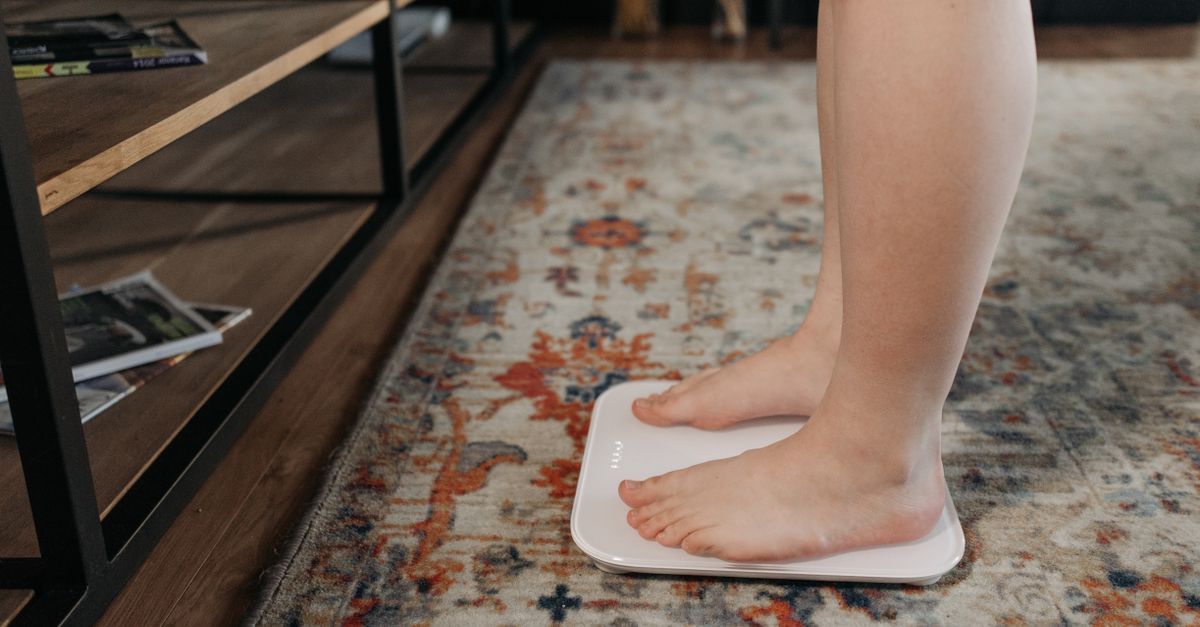
What is body composition analysis?
Weight alone does not show what you are losing or gaining. Body composition analysis divides weight into components. Bioelectrical impedance devices, such as InBody, which is widely used in Korean clinics, gyms and health centres, send a very small electrical current through the body. Because fat conducts electricity differently from muscle and water, the device estimates each compartment from the resistance measured, often segment by segment (arms, legs, trunk).
Who is it for?
- People starting a medical weight loss program
- Those on GLP-1 or other weight-loss medications who want to track muscle preservation
- People with "normal" weight but high body fat (sometimes called normal-weight obesity)
- Anyone monitoring progress from strength training or nutrition changes
People with pacemakers, implantable defibrillators or other implanted electronic devices should not use BIA devices. Pregnancy, amputations, severe fluid imbalance or metal implants can affect accuracy.
What happens at the clinic
- Preparation: ideally test in the morning or at a consistent time, before eating, after using the toilet and without recent exercise or sauna.
- Input: your height, age and sex are entered.
- Measurement: you stand barefoot on the foot electrodes and hold the hand grips for about a minute.
- Report: a printout shows weight, muscle, fat, segmental balance and visceral fat estimates.
- Interpretation: the doctor or dietitian explains results and sets targets.
Using the results
The most useful information is the trend over time rather than a single number. Good weight loss shows falling fat mass with relatively preserved muscle. If muscle drops quickly, the plan may need more protein and resistance training. Visceral fat estimates help explain metabolic risk, though imaging like CT is more accurate when needed.
Limitations
- Results are estimates and can shift with hydration, meals, menstruation and exercise
- Different devices give different values, so compare on the same machine
- Not diagnostic on its own; blood tests and waist measurement add context
- Less accurate at extremes of body size
Choosing a clinic for body composition analysis in Seomyeon
- Choose a clinic where a doctor or dietitian interprets results, not just prints them.
- Ask that repeat tests use the same device and similar timing.
- Ask how results will change your nutrition or exercise plan.
- Tell staff about any implanted devices or pregnancy beforehand.
- If you need more precision, ask about DEXA scanning.
Quick and convenient
An InBody test fits into a lunch break. Clinics around Seomyeon Station make regular re-checks easy for downtown workers.
Key facts
- Measures (estimates): body fat mass and percentage, skeletal muscle mass, total body water, visceral fat level
- Method: bioelectrical impedance analysis (BIA)
- Test time: about 1–2 minutes
- Preparation: fasting or consistent timing, empty bladder, no exercise beforehand
- Not for: people with pacemakers or implanted electronic devices; usually avoided in pregnancy
- Repeat: every few weeks to track trends
- Typical cost type: often included in weight programs; paid privately when standalone
Frequently asked questions
How accurate is an InBody test?
InBody gives useful estimates but is not perfectly precise. Hydration, food, exercise and device type affect results. It is most reliable for tracking trends when repeated under similar conditions on the same machine.
How should I prepare for body composition analysis?
Test at a consistent time, ideally in the morning before eating, after using the toilet, and without recent exercise, sauna or heavy drinking. Remove metal accessories and stand barefoot.
What is a good body fat percentage?
Healthy ranges differ by sex and age. In general, women have higher healthy body fat than men. Your doctor will interpret your result alongside waist size, blood tests and health history rather than a single number.
Can I do an InBody test if I have a pacemaker?
No. People with pacemakers or other implanted electronic devices should not use bioelectrical impedance devices. Tell the clinic so an alternative such as DEXA can be considered.
InBody vs DEXA: what is the difference?
InBody uses electrical impedance and is quick and inexpensive. DEXA uses low-dose X-rays to measure fat, lean mass and bone more precisely. DEXA is more accurate but less widely available for routine tracking.
Medical disclaimer: Seomyeon.Clinic is an independent information directory. Content is for general education and does not replace a consultation with a licensed physician. Suitability, risks, results and costs vary by person and clinic. In an emergency in Korea, call 119.