
Car Accident Recovery (Korean Medicine) in Seomyeon, Busan
Car accident recovery with Korean medicine (교통사고 한방치료) uses acupuncture, Chuna manual therapy, cupping, pharmacopuncture and herbal medicine for neck, back and soft-tissue pain after a collision. In Seomyeon, many Korean medicine clinics offer this care. Get a medical check and X-rays first to rule out fractures or serious injury; Korean medicine is a complementary option for soft-tissue recovery.
Independent patient guide · Medically informative, not a substitute for a doctor's advice · Last reviewed:
What is Korean medicine care after a car accident?
After a traffic accident, many people in Korea visit Korean medicine clinics (한의원) for neck stiffness, back pain, headaches and general aches, sometimes described as traffic accident sequelae (교통사고 후유증). Treatment typically combines several Korean medicine methods in one visit, aiming to relieve pain and stiffness and support recovery. It is widely used in Korea as a complement to conventional medical assessment.
Symptoms and when to see a doctor
- Neck and shoulder stiffness, often worse the day after the accident
- Low back pain and muscle soreness
- Headaches, dizziness and fatigue
- Sleep disturbance and anxiety after the event
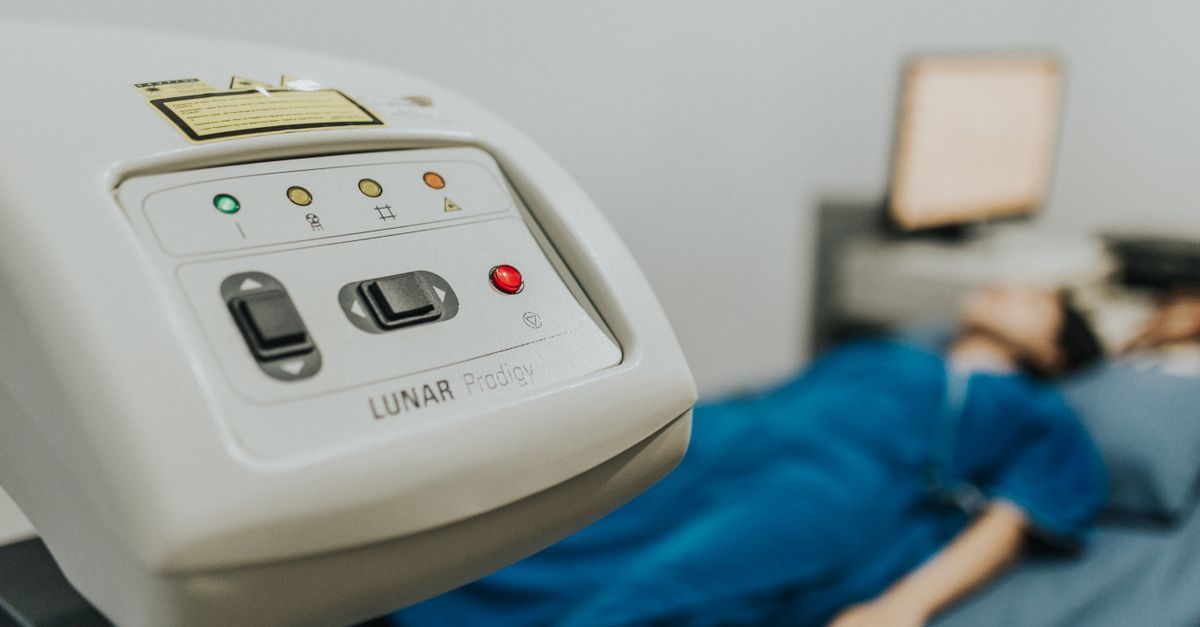
See a medical doctor first, and call 119 or go to an emergency department, for severe neck pain after a high-speed crash, numbness or weakness, loss of consciousness, confusion, chest or abdominal pain, or suspected fractures. X-rays or other imaging should be done at a medical clinic before manual therapy.
What happens at the clinic
- Intake: accident details, symptoms and any medical imaging results.
- Korean medicine assessment: examination of painful areas and traditional diagnosis.
- Treatment session: acupuncture, often with electrical stimulation, plus cupping, heat or moxibustion.
- Manual therapy: Chuna techniques, usually gentle early on.
- Additional options: pharmacopuncture or herbal medicine for some patients.
- Documentation: records for insurance processing.
Treatment outlook
Most soft-tissue injuries after minor collisions improve over weeks. Some studies suggest acupuncture and Chuna may help neck and back pain, though evidence specifically for post-accident pain is limited. Staying gently active and returning to normal activities supports recovery. If pain persists or new neurological symptoms appear, return to a medical doctor for reassessment.
Risks and side effects
Manual therapy on an undiagnosed fracture or unstable spine can be dangerous, which is why medical imaging first is important. Acupuncture and cupping may cause minor bruising or soreness. Herbal medicines can interact with prescribed drugs, so tell both doctors what you take.
Choosing a clinic for accident recovery in Seomyeon
- Confirm the clinic is a licensed Korean medicine clinic.
- Share medical imaging and reports from your medical doctor.
- Ask which treatments are planned and whether gentle techniques will be used early.
- Ask how billing works and what documentation you will receive; accident care may be handled through motor insurance depending on the case.
- Ask about language support if you need to explain your symptoms in detail.
Local note
Many Seomyeon Korean medicine clinics open evenings and Saturdays. If driving is uncomfortable after an accident, the station's Line 1 and Line 2 connections are a practical alternative.
Key facts
- For: soft-tissue neck, back and shoulder pain after minor collisions
- Treatments: acupuncture, Chuna, cupping, moxibustion, pharmacopuncture, herbal medicine
- First step: medical evaluation and imaging to exclude fractures or nerve injury
- Visit time: about 30–60 minutes per session including several treatments
- Course: often several visits over weeks
- Billing: may be processed through motor insurance depending on the case
- Emergency: call 119 for severe pain, numbness, weakness or head injury
Frequently asked questions
Should I see a medical doctor or Korean medicine doctor after a car accident?
See a medical doctor first, especially for X-rays and to rule out fractures or nerve injury. Korean medicine can then be used as complementary care for soft-tissue pain.
What Korean medicine treatments are used after an accident?
Common treatments include acupuncture, Chuna manual therapy, cupping, moxibustion, pharmacopuncture and herbal medicine, often combined in a single session.
Does Korean medicine help whiplash?
Some people report relief, and studies suggest acupuncture and manual therapy may help neck pain, but evidence specifically for whiplash is limited.
Who pays for accident-related Korean medicine treatment?
Depending on the case, accident-related treatment may be billed through motor vehicle insurance rather than National Health Insurance. Confirm with the clinic and insurers.
When should I stop Korean medicine and see a doctor again?
Return to a medical doctor if you develop numbness, weakness, worsening headaches, dizziness, or if pain is not improving after several weeks.
Medical disclaimer: Seomyeon.Clinic is an independent information directory. Content is for general education and does not replace a consultation with a licensed physician. Suitability, risks, results and costs vary by person and clinic. In an emergency in Korea, call 119.