
Cataract Surgery in Seomyeon, Busan
Cataract surgery removes the eye's clouded natural lens and replaces it with a clear artificial intraocular lens (IOL). At Seomyeon eye clinics, it is usually a day procedure of about 15–30 minutes per eye under numbing drops, using phacoemulsification through a tiny incision. Vision often improves within days, and the second eye is commonly treated a week or more later.
Independent patient guide · Medically informative, not a substitute for a doctor's advice · Last reviewed:
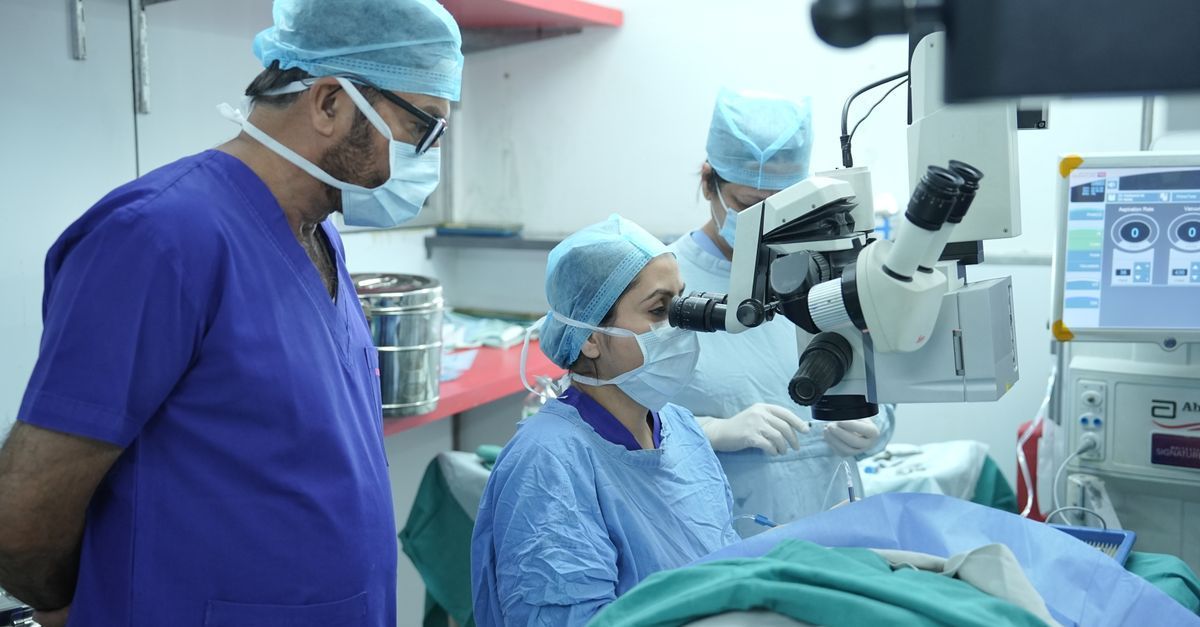
What is cataract surgery?
A cataract (백내장) is clouding of the eye's natural lens, most often due to ageing, but also linked to diabetes, steroid use, eye injury and UV exposure. Surgery is the only effective treatment. The surgeon makes a tiny incision, opens the lens capsule, breaks up the cloudy lens with ultrasound and removes it, then inserts a folded artificial lens that stays permanently in the capsule.
Symptoms and when to see a doctor
- Blurred or cloudy vision that glasses no longer fix
- Glare and halos around lights, especially when driving at night
- Faded colours or a yellowish tint
- Frequent prescription changes
- Double vision in one eye
Surgery is usually recommended when the cataract affects daily life, driving or work, not at a fixed stage.
What happens at the clinic
- Assessment: vision testing, dilated exam, and biometry to measure eye length and corneal curvature for lens power.
- Lens choice: you discuss monofocal (usually distance), toric (for astigmatism) or premium multifocal/extended-range lenses.
- Surgery day: dilating and numbing drops, then the procedure itself in about 15–30 minutes.
- Short rest: you go home the same day with a protective shield and drops.
- Follow-up: typically the next day, about one week, and one month.
Recovery and aftercare
Use antibiotic and anti-inflammatory drops as directed for several weeks. Avoid rubbing the eye, swimming and dusty environments early on, and wear the shield at night as advised. Many people return to light activities within a few days. Final glasses, if needed, are usually prescribed after about a month.
Risks and side effects
Cataract surgery is among the most commonly performed operations, but risks include infection, inflammation, raised eye pressure, swelling of the retina's centre, retinal detachment and lens dislocation. Months or years later, the capsule behind the lens can cloud (posterior capsule opacification), which is treated with a quick YAG laser procedure.
Choosing a clinic for cataract surgery in Seomyeon
- Confirm surgery is performed by a board-certified ophthalmologist experienced in cataract surgery.
- Ask which biometry device is used and how lens power is calculated, especially after previous LASIK.
- Ask for a clear comparison of lens options and what is covered or extra.
- Ask how diabetic or glaucoma patients are managed before and after surgery.
- Confirm follow-up dates and who to call after hours.
For family members and visitors
Someone should accompany the patient on surgery day. Seomyeon's clinics are reachable by Line 1 from Busan Station, though a taxi may be easier after surgery.
Key facts
- Treats: cataract (clouding of the natural lens)
- Technique: phacoemulsification, sometimes femtosecond laser-assisted
- Procedure time: about 15–30 minutes per eye
- Anesthesia: numbing drops, sometimes light sedation
- Lens options: monofocal, toric, extended depth of focus, multifocal
- Recovery: daily activities within days; full stabilisation in about 4–6 weeks
- Typical NHI coverage: standard cataract surgery is generally NHI-covered for enrolled patients; premium lenses usually cost extra
Frequently asked questions
How long does cataract surgery take?
About 15–30 minutes per eye, with a few hours at the clinic for preparation and recovery. Each eye is usually done on a separate day.
Is cataract surgery painful?
Numbing drops make it comfortable for most people. You may feel light pressure. Mild scratchiness afterwards usually settles within a day or two.
When can I see clearly after cataract surgery?
Many people notice improvement within one to a few days. Vision continues to stabilise over about four to six weeks.
Is cataract surgery covered by Korean insurance?
Standard cataract surgery is generally covered by NHI for enrolled patients. Premium lenses such as multifocals usually involve extra out-of-pocket costs.
Can a cataract come back?
The cataract cannot return, but the capsule behind the new lens may cloud later. A quick, painless YAG laser treatment usually restores clear vision.
Medical disclaimer: Seomyeon.Clinic is an independent information directory. Content is for general education and does not replace a consultation with a licensed physician. Suitability, risks, results and costs vary by person and clinic. In an emergency in Korea, call 119.