
Ophthalmology (Eye Care) in Seomyeon, Busan
Ophthalmology in Seomyeon covers laser vision correction (LASIK, LASEK, SMILE), ICL, cataract and lens surgery, glaucoma, retina and dry eye care, and children's eye exams. Seomyeon has a dense cluster of eye clinics around the station. Most are outpatient clinics led by board-certified ophthalmologists with on-site imaging; refractive surgery begins with a 1–2 hour screening, and many conditions are diagnosed in a single visit.
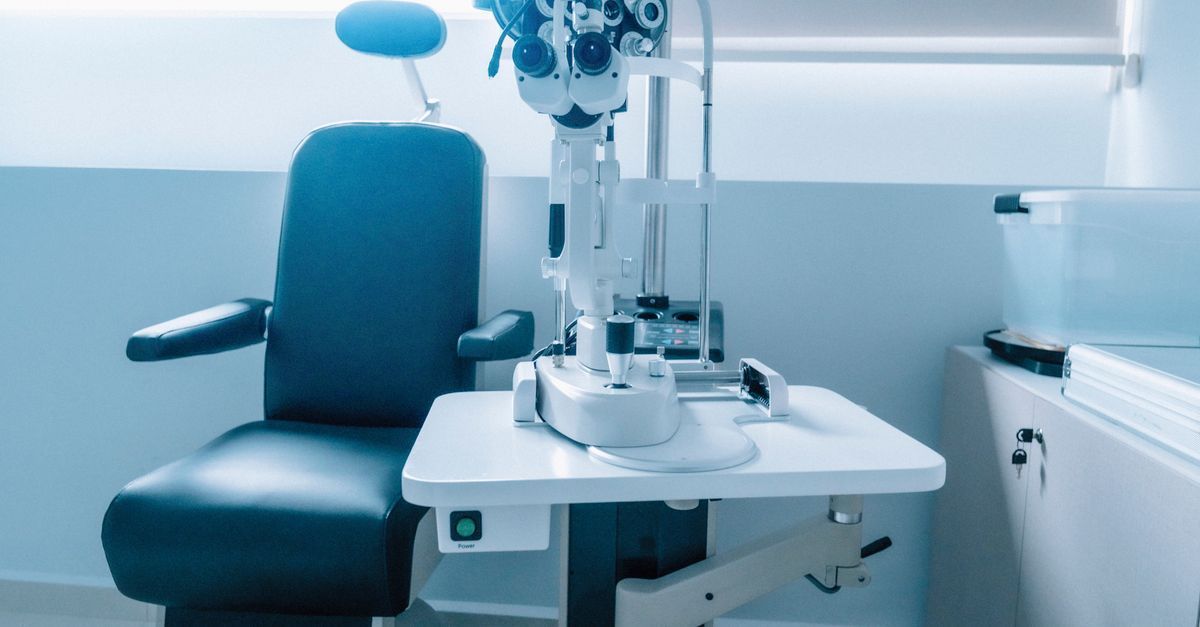
What eye care covers
Ophthalmologists (안과 전문의) are medical doctors who diagnose and treat eye disease and perform eye surgery. In Seomyeon, services range from routine exams and glasses prescriptions to refractive surgery (LASIK, LASEK, SMILE Pro and ICL), cataract and multifocal lens surgery, glaucoma management, retinal imaging and injections, dry eye treatment, and pediatric care such as myopia control and strabismus.
Common reasons people visit in Seomyeon
- Laser vision correction or ICL to reduce dependence on glasses
- Cataract surgery for older relatives
- Red, itchy or dry eyes, often linked to screens, contact lenses or seasonal dust
- New floaters, flashes or blurred vision needing a retina check
- Myopia control and eye exams for school-age children
How eye clinics typically work in Korea
Most eye care is delivered in private outpatient clinics (안과 의원), many of which accept walk-ins for general problems while scheduling surgery and screening by appointment. Larger clinics often have extensive diagnostic equipment, including OCT, corneal topography and biometry. Complex retinal surgery, corneal transplants and some pediatric surgery are often handled at university or general hospitals. Korea's National Health Insurance covers many medical eye treatments for enrolled patients, but elective refractive surgery such as LASIK or SMILE is not covered.
Tips for foreigners
- Stop wearing contact lenses for the period the clinic specifies before refractive surgery screening.
- Bring your glasses, contact lens details, medication list and any previous eye records.
- Plan for dilation: you may not be able to read or drive for several hours.
- For surgery, confirm the follow-up schedule before booking flights.
- Ask whether an English-speaking coordinator is available.
How to choose an eye clinic
Look for board-certified ophthalmologists, a thorough screening before any surgery, and honest discussion of alternatives, including reasons you might not be a candidate. For retina, glaucoma or pediatric problems, ask whether a subspecialist is involved. Seomyeon Station connects Busan Metro Lines 1 and 2, so eye clinics in the area are easy to reach from Busan Station or via the airport rail link at Sasang.
Treatment guides
- LASIK
- LASEK
- SMILE Pro Laser Vision Correction
- ICL (Implantable Collamer Lens)
- Cataract Surgery
- Multifocal Lens Implants
- Presbyopia Correction
- Glaucoma Treatment
- Dry Eye Treatment
- IPL for Dry Eye
- Retina Examination
- Diabetic Retinopathy Treatment
- Macular Degeneration Treatment
- Pterygium Surgery
- Strabismus Treatment
- Children's Eye Exam
- Myopia Control for Children
- Dream Lens (Ortho-K)
- Eye Floaters Evaluation
- Comprehensive Eye Exam
Frequently asked questions
Can I get LASIK or SMILE in Seomyeon as a tourist?
Yes, many visitors do, but plan for a 1–2 hour screening, surgery and at least the first follow-up. Some procedures like LASEK need about a week before flying is advised.
Do I need an appointment at an eye clinic in Seomyeon?
Many clinics accept walk-ins for general eye problems, but refractive surgery screening and surgery require appointments. Calling ahead reduces waiting time.
Is eye care covered by Korean National Health Insurance?
NHI covers many medical eye treatments for enrolled patients, such as glaucoma care and standard cataract surgery. Elective procedures like LASIK and SMILE are not covered.
Do eye clinics in Seomyeon have English-speaking staff?
Many larger clinics have English-speaking staff or coordinators, but availability varies. Ask when booking, especially for surgery consultations.
What should I do for sudden vision loss or eye pain?
Seek urgent eye care the same day. For severe symptoms with headache, weakness or after an injury, call 119 or go to a hospital emergency room.
Medical disclaimer: Seomyeon.Clinic is an independent information directory. Content is for general education and does not replace a consultation with a licensed physician. In an emergency in Korea, call 119.