
Pterygium Surgery in Seomyeon, Busan
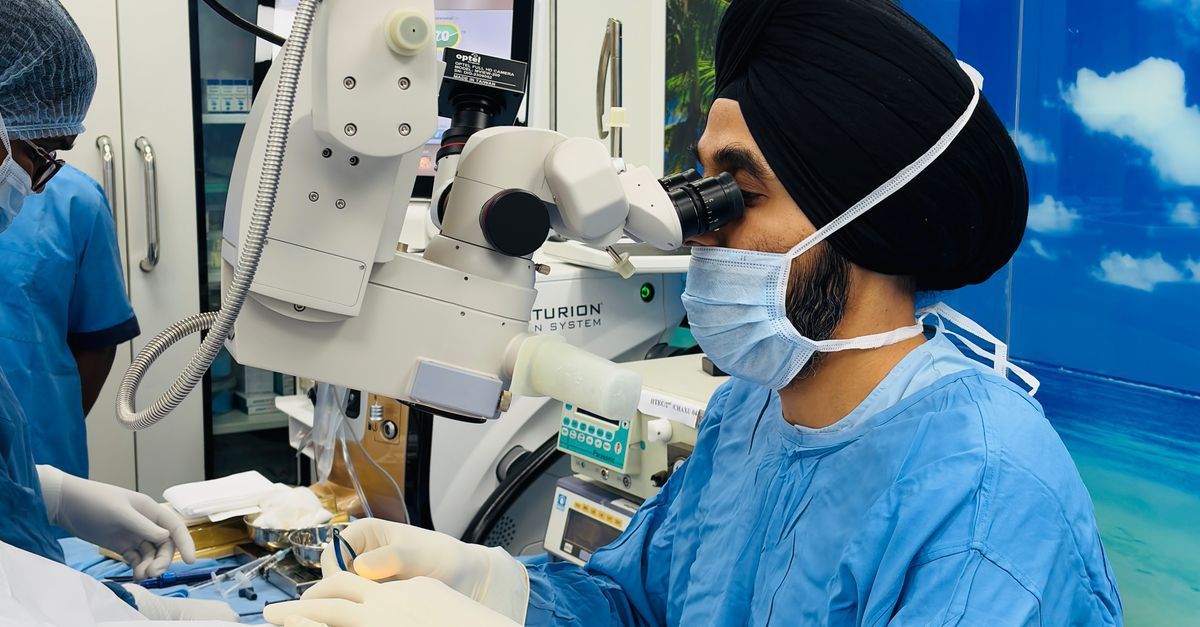
Pterygium surgery removes a wedge-shaped growth of conjunctival tissue that spreads from the white of the eye onto the cornea, often linked to sun and wind exposure. At Seomyeon eye clinics, it is usually a 20–45 minute day procedure under local anesthesia, with a small graft of your own conjunctiva placed to reduce regrowth. The eye is typically red and gritty for 1–2 weeks.
Independent patient guide · Medically informative, not a substitute for a doctor's advice · Last reviewed:
What is a pterygium?
A pterygium (익상편) is a non-cancerous growth of the conjunctiva, the clear membrane covering the white of the eye. It typically starts at the inner corner and slowly extends onto the cornea. Long-term exposure to ultraviolet light, wind and dust is the main risk, so it is common in people who spend a lot of time outdoors or near the sea. A related, smaller yellowish bump that does not reach the cornea is called a pinguecula.
Symptoms and when to see a doctor
- A visible pink or fleshy growth on the white of the eye
- Redness, irritation or a foreign-body sensation
- Dryness or watering
- Blurred vision or new astigmatism if it grows toward the pupil
Small, quiet pterygia can be monitored with lubricating drops and UV protection. Surgery is considered when the growth threatens vision, causes astigmatism, persistent irritation or cosmetic concern.
What happens at the clinic
- Assessment: slit lamp exam and corneal topography to measure astigmatism and the growth's extent.
- Anesthesia: numbing drops plus a small local injection.
- Excision: the pterygium is carefully removed from the cornea and conjunctiva.
- Graft: a thin piece of healthy conjunctiva, usually from under the upper eyelid, covers the area, secured with tissue glue or fine stitches. Amniotic membrane or medications such as mitomycin C may be used in some cases.
- Patching and review: a pad is applied and the eye is checked the next day.
Recovery and aftercare
Expect redness, watering and a gritty feeling for about one to two weeks. Antibiotic and steroid drops are used for several weeks to reduce inflammation and recurrence. Avoid rubbing the eye and swimming until cleared. Long term, wear UV-blocking sunglasses and a hat outdoors.
Risks and side effects
Recurrence is the main concern; grafting lowers the risk compared with simple excision. Other risks include graft swelling or displacement, infection, scarring and, rarely, problems linked to adjunct medications.
Choosing a clinic for pterygium surgery in Seomyeon
- Ask whether a conjunctival autograft will be used and whether glue or sutures secure it.
- Ask about recurrence prevention measures for your case.
- Ask whether the surgeon is a cornea specialist for large or recurrent pterygia.
- Ask how many follow-up visits are required in the first month.
- Check whether the cosmetic appearance after healing is discussed in advance.
Local note
Busan's seaside sun and wind make UV protection worthwhile year-round. Seomyeon's eye clinics are a short metro ride from beach districts and central neighbourhoods alike.
Key facts
- Condition: fleshy growth on the eye surface, usually on the nasal side
- Risk factors: UV exposure, wind, dust, outdoor work
- Surgery time: about 20–45 minutes
- Anesthesia: numbing drops and local injection
- Technique: excision with conjunctival autograft, glue or sutures
- Recovery: redness and grittiness for about 1–2 weeks; full settling over weeks
- Recurrence: reduced by grafting and adjunct treatments
Frequently asked questions
Does pterygium need to be removed?
Not always. Small, stable pterygia can be monitored. Removal is advised if it grows toward the pupil, causes astigmatism, persistent discomfort or cosmetic concern.
How long does recovery take after pterygium surgery?
The eye is usually red and gritty for one to two weeks, then gradually settles over several weeks as the graft heals.
Can pterygium come back after surgery?
Yes, recurrence can happen. Using a conjunctival graft and post-operative drops greatly reduces the risk compared with simple excision.
Is pterygium surgery painful?
Local anesthesia makes the surgery comfortable. Afterwards, discomfort and foreign-body sensation for a few days are common and settle with drops.
How can I prevent pterygium?
Wear UV-blocking sunglasses and a hat outdoors, use lubricating drops in windy or dusty conditions, and have regular eye checks if you work outside.
Medical disclaimer: Seomyeon.Clinic is an independent information directory. Content is for general education and does not replace a consultation with a licensed physician. Suitability, risks, results and costs vary by person and clinic. In an emergency in Korea, call 119.