
Comprehensive Eye Exam in Seomyeon, Busan
A comprehensive eye exam is a full check of vision and eye health by an ophthalmologist, covering glasses prescription, eye pressure, the front of the eye and the retina and optic nerve. At Seomyeon eye clinics, it typically takes about 1–2 hours with dilating drops and imaging such as OCT. It can detect glaucoma, cataract, retinal disease and dry eye early.
Independent patient guide · Medically informative, not a substitute for a doctor's advice · Last reviewed:
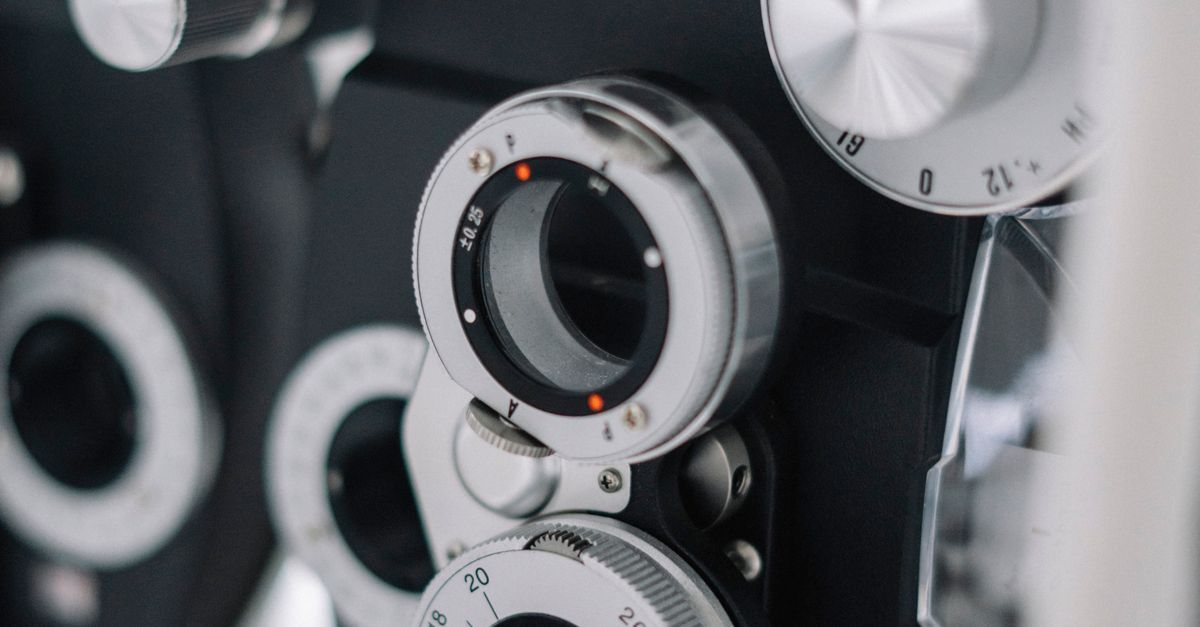
What is a comprehensive eye exam?
Unlike a quick vision screening at an optical shop, a comprehensive exam at an ophthalmology clinic (안과) evaluates both how well you see and how healthy your eyes are. Many serious eye conditions, including glaucoma and early diabetic retinopathy, cause no symptoms until damage is advanced, so a full exam is the best way to catch them early.
Who should have one?
- Adults over 40, ideally every one to two years
- People with diabetes, high blood pressure or a family history of glaucoma
- Highly nearsighted people
- Anyone with new symptoms such as blur, eye pain, flashes or floaters
- People considering LASIK, SMILE, ICL or cataract surgery
What happens at the clinic
- History: symptoms, medications, general health and family eye history.
- Vision and refraction: measuring how clearly you see and your prescription.
- Eye pressure: usually with an air-puff or contact tonometer.
- Slit lamp exam: eyelids, cornea, iris and lens are examined under magnification.
- Dilated retina exam and imaging: optic nerve, macula and peripheral retina are checked; OCT or photos may be added.
After the exam
Dilation causes light sensitivity and blurry near vision for about four to six hours. Bring sunglasses and avoid driving. The doctor will explain results and recommend follow-up, glasses, or further tests if needed.
Risks and side effects
Comprehensive exams are very safe. Dilating drops can sting briefly and, rarely, trigger angle-closure in people with narrow angles, which the doctor checks before dilating.
Choosing a clinic for an eye exam in Seomyeon
- Ask whether the exam is performed by an ophthalmologist and whether dilation is included.
- Ask which imaging tests are standard and which are optional extras.
- If you are planning refractive surgery, ask whether a pre-surgery screening is separate.
- Ask for a written copy of your prescription and key results.
- Check whether English explanations are available.
Booking as a visitor or expat
A comprehensive exam fits easily into a short stay; morning slots leave time for dilation to wear off. Seomyeon has many eye clinics within walking distance of the station, the transfer point for Lines 1 and 2.
Key facts
- Includes: visual acuity, refraction, eye pressure, slit lamp exam, dilated retina exam
- Optional imaging: OCT, fundus photography, visual field, corneal topography
- Visit time: about 1–2 hours
- After dilation: blurry near vision for several hours; avoid driving
- Frequency: every 1–2 years for many adults; more often with risk factors
- Typical NHI coverage: medically indicated eye exams are generally NHI-covered for enrolled patients; some imaging may cost extra
Frequently asked questions
How long does a comprehensive eye exam take?
Usually about 1–2 hours, including time for dilating drops to work and any imaging tests.
How often should adults get an eye exam?
Many adults benefit from an exam every one to two years, especially after 40. People with diabetes, glaucoma risk or high myopia may need yearly or more frequent checks.
Is an eye exam at an optical shop the same?
No. Optical shops mainly measure glasses prescriptions. An ophthalmology exam also checks eye pressure, the retina and optic nerve for disease.
Can I drive after a dilated eye exam?
It is safer not to, as dilation blurs vision and increases glare for several hours. Use public transport or a taxi.
Can foreigners get an eye exam in Seomyeon without Korean insurance?
Yes. Clinics see foreign patients and charge privately if you are not enrolled in NHI. Bring ID and your current glasses or contact lens details.
Medical disclaimer: Seomyeon.Clinic is an independent information directory. Content is for general education and does not replace a consultation with a licensed physician. Suitability, risks, results and costs vary by person and clinic. In an emergency in Korea, call 119.